
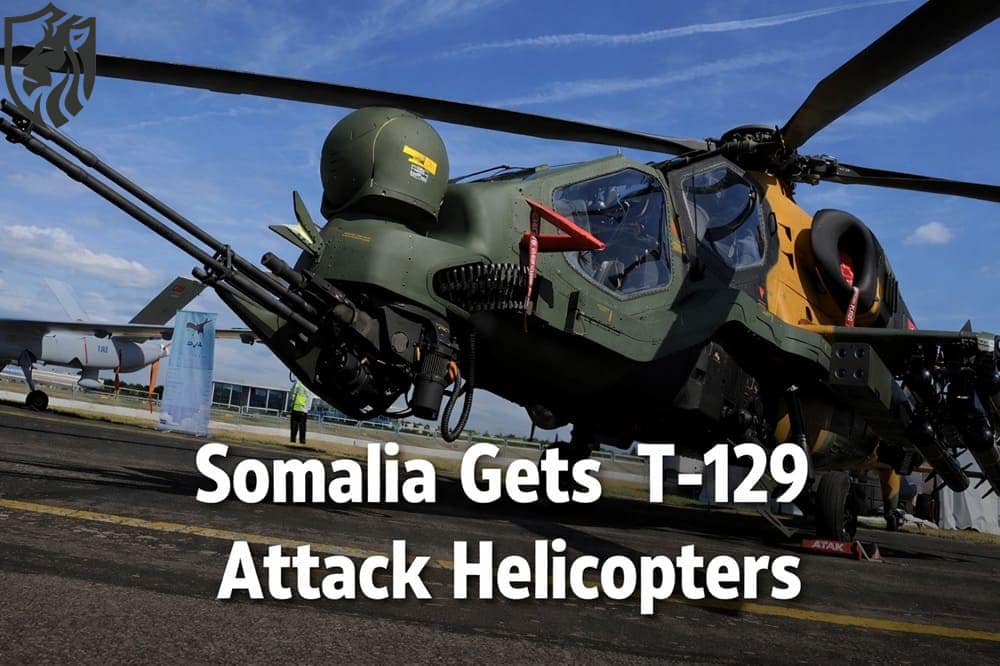
Somalia inducts Turkish T-129 Attack Helicopters
Turkey sent three T-129 ATAK attack helicopters to Somalia, giving them a new way to support ground troops against al-Shabaab. According to reports, Turkey also sent two utility helicopters for the Somali Navy in the same shipment. This shipment was part of a larger defense agreement that Turkey and Somalia made in February 2024. Crucially, before delivery, Türkiye allegedly trained Somali pilots for about a year. Instead of wasting time in conversion training, the aircraft could swiftly move from arrival to operational sorties.
T-129 ATAK: Somalia’s First Combat Use
Open sources report that the new platforms immediately attacked al-Shabaab targets. Thus, Somalia now possesses a more precise weapon for swiftly striking targets, surpassing the effectiveness of indirect fire alone. If this pace keeps up, Somalia’s T-129 Atak helicopters could change how Mogadishu supports ground attacks, especially around important routes to the capital.
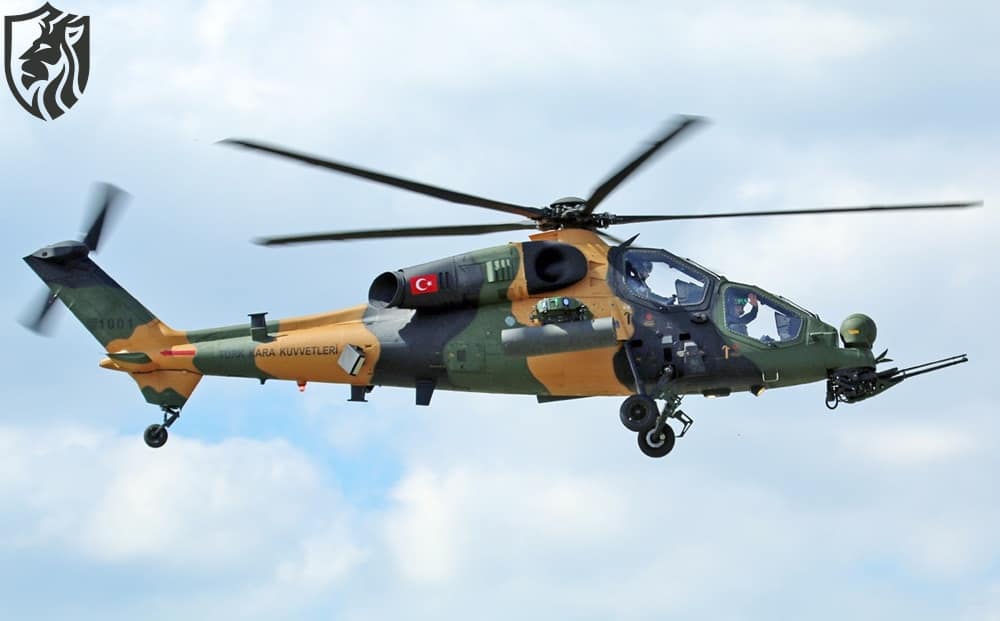
T-129 Capability Snapshot
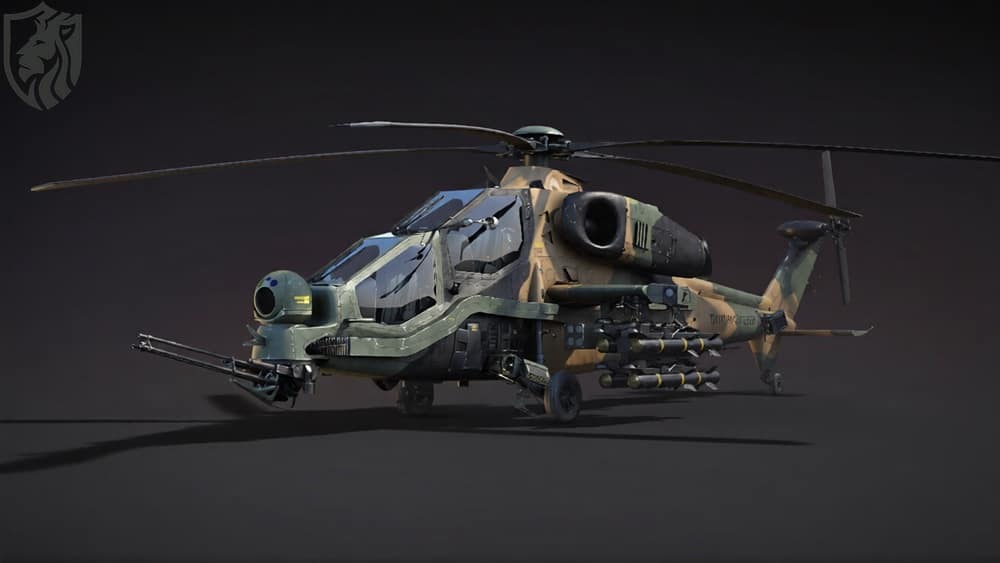
The T-129 ATAK is based on the Italian A129 Mangusta, but it has Turkish mission systems and weapon options built in. In real life, this means that Somalia gets a purpose-built attack helicopter instead of a utility platform with light weapons.
Firepower is important, but only if the weapons fit the job. Typically, the type is equipped with a 20 mm three-barrel cannon for close-quarters combat, while guided missiles can target fortified positions or moving vehicles from a distance. So, commanders can pressure the enemy without endangering their troops when close.
Turkey’s Support Package: Drones, Troops, Training
The helicopter delivery is part of a larger Turkish support model. Since 2022, Somalia has used Bayraktar TB2 drones in operations. Reports say that at least two Akinci drones arrived in March 2025. In the meantime, estimates of the number of Turkish troops in Somalia vary. Some reports say there were about 500 troops there in mid-2025, while other reports say there were more.
The issue is important because ISR and strike coordination affect the results. In other words, drones can find and fix targets, and helicopters can take advantage of short windows of opportunity, especially when targeting is made harder by bad weather, rough terrain, or urban clutter.
Strategic signals
Ankara’s stance on Somalia now includes working together on maritime security and energy projects. Reuters also said that plans for offshore drilling in 2026 are in the works. This situation shows how security and economic interests can work together. Next, it is crucial to closely monitor the sustainment situation. Spare parts, engine support, and guided-weapon stocks will determine whether Somalia can keep up a steady sortie rate.
Additionally, monitor al-Shabaab’s counter-strategies, such as the potential threat of MANPADS (Man-Portable Air Defense Systems) and their efforts to conceal themselves among civilians. This is something that rights groups have raised concerns about in terms of the effects of strikes and accountability.
References
- https://www.military.africa/2025/06/somalia-receives-turkish-t-129-atak-combat-helicopters/
- https://www.atlanticcouncil.org/blogs/turkeysource/turkey-signed-two-major-deals-with-somalia-will-it-be-able-to-implement-them/
- https://www.reuters.com/world/middle-east/turkeys-erdogan-says-israeli-decision-recognise-somaliland-unacceptable-illegal-2025-12-30/
- https://www.airforce-technology.com/projects/t129multirolecombath/
About the Author