Shahed Drone Now Armed with MANPADS — A New Threat Revealed
MANPADS Spotted on Shahed Drone
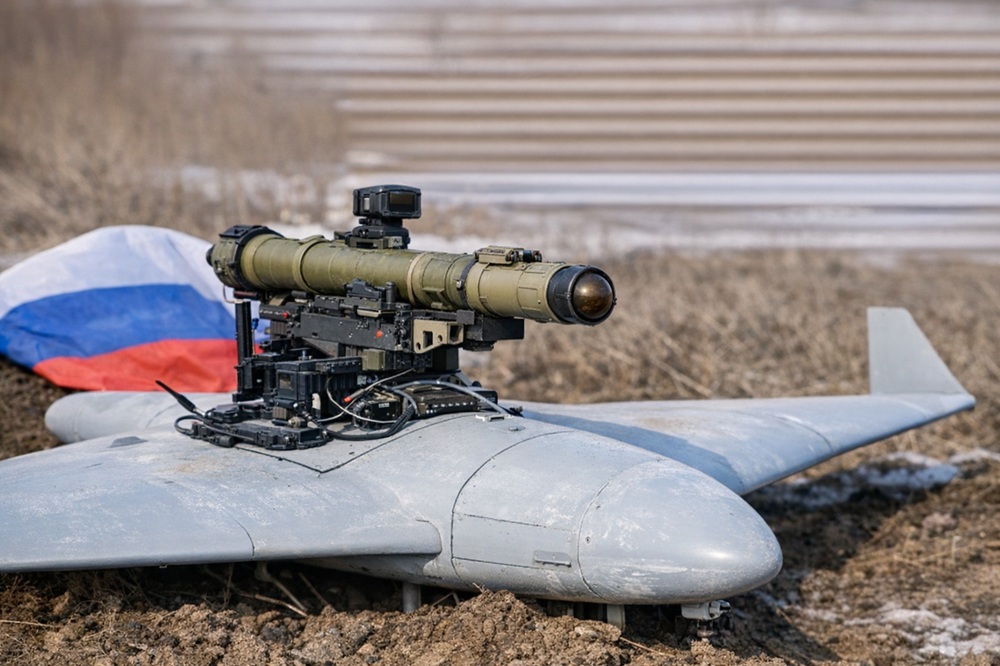
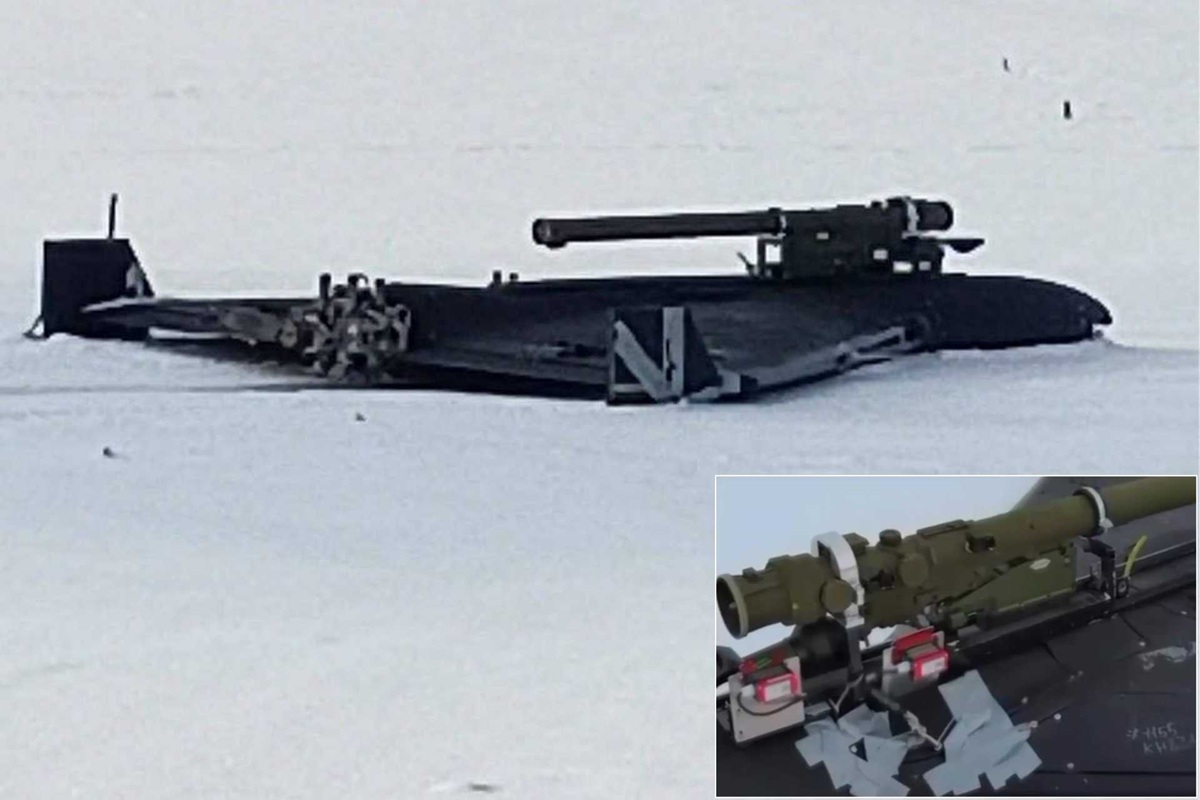
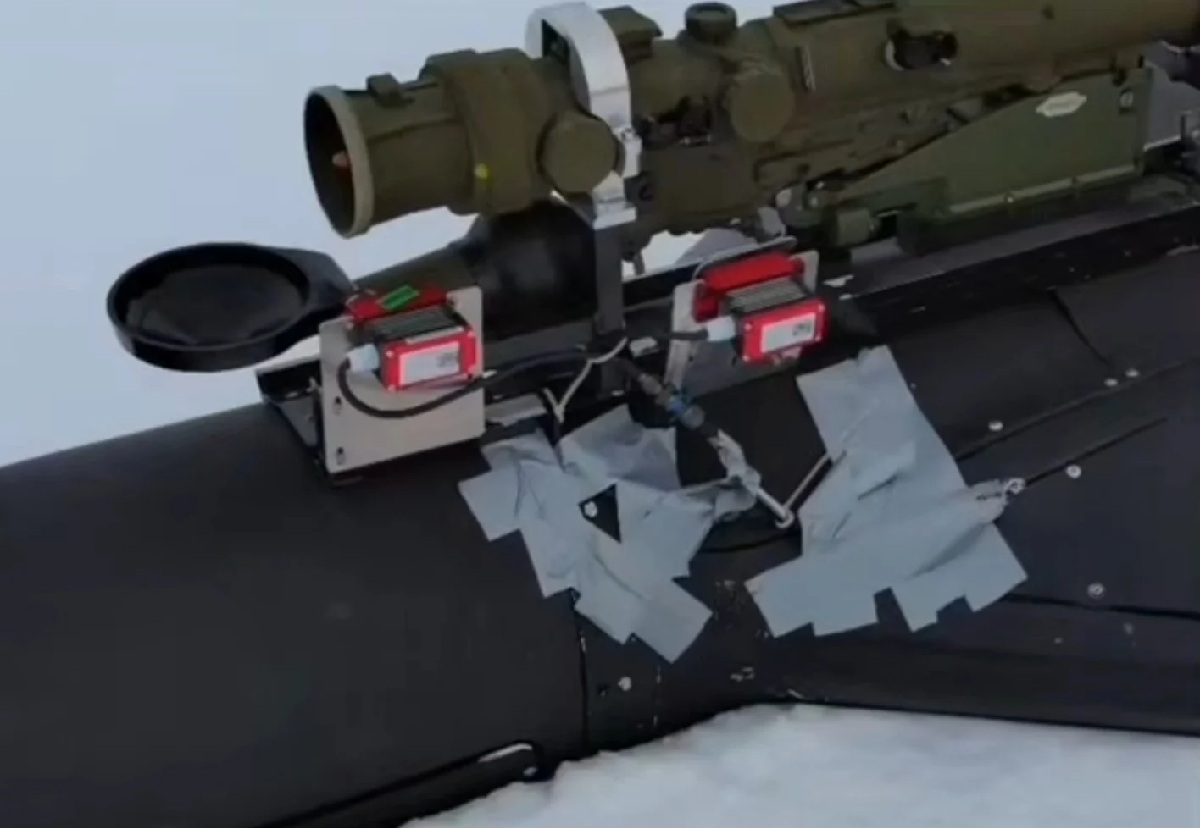
For the first time, analysts have confirmed a man-portable air defense system (MANPADS) mounted on a Russian Shahed-type loitering missile. The discovery marks a turning point in drone warfare, signaling Moscow’s intent to make its low-cost UAVs capable of defending themselves—and even striking at Ukrainian aircraft.
Serhii “Flash” Beskrestnov, a Ukrainian military radio-technology expert, asserts that territory is at stake. The modified Shahed was located on January 4 and showed signs of remote operations from within Russian territory, adaptation could give Russian forces a new way to deter Ukrainian interceptors that have been highly effective in recent months.
MANPADS on a Drone: Why It Matters
A MANPADS, designed to destroy low-flying targets like helicopters, attack aircraft, and drones, usually relies on infrared or laser guidance. Mounting such a system on a UAV suggests an attempt to extend the Shahed’s survivability against Ukrainian air defenses.
Flash noted that the drone featured a camera and radio modem, allowing real-time control of the missile’s launch by an operator based in Russia. He warned Ukrainian aviation pilots to avoid head-on approaches and remain cautious of drones flying in circular patterns—likely the firing position for the MANPADS.
This development underlines a continuing trend: Russia’s rapid battlefield improvisation, blending inexpensive Iranian-inspired designs with increasingly sophisticated electronics and self-protection systems.
Shahed Upgrades Keep Coming
Russia has not stopped upgrading Shahed and Geran drones. On 2 January, the same Ukrainian expert reported an infrared spotlight fitted to a Shahed. Russia likely uses it to disrupt Ukrainian interceptor drones using optical or IR sensors.
Later in 2024, reports said Russia started fitting radio modems to loitering munitions. These modems let drones share data and stay linked while flying. As a result, operators can guide them in real time from inside Russia.
In November, observers also spotted rearview cameras on Shaheds and Orlan scout drones. This upgrade helps crews detect chasing UAVs and react faster. It may also warn operators about incoming anti-drone interceptors.
Risks for Ukrainian Aviation
Equipping drones with air-to-air capability is a significant escalation. If confirmed operational, a MANPADS-armed Shahed could threaten Ukrainian attack helicopters, Su-25s, or low-flying surveillance aircraft. Though the range of such a system remains limited (typically under 5 km), it complicates low-altitude operations over contested areas.
Moreover, this adaptation fits Russia’s ongoing effort to offset Ukraine’s growing drone and electronic-warfare superiority. As Ukrainian forces refine counter-UAV tactics and interception drones, Moscow appears determined to harden its Shaheds with reactive measures.
The Next Step in Drone Warfare
The discovery demonstrates how the Shahed platform continues to evolve from a one-way explosive drone to a semi-autonomous combat system. Its modular design now allows for integration of cameras, sensors, and—as seen—short-range missiles.
The next question for analysts is whether these MANPADS modifications are experimental field trials or a prelude to series production. Either way, they mark a new level of risk for Ukrainian aviation and are a sign that Russia’s drone engineers are learning quickly from battlefield losses.
References
- MANPADS found on Russian Shahed-type drone (4 Jan 2026)
- Infrared spotlight detected on Russian Shahed drone (2 Jan 2026)
- Shahed/Geran upgrades: modems and mesh networking context (Jamestown, Oct 2025)
- Drone debris points to new Shahed-era tech and remote piloting (AP)
About the Author