
SH 37 Viggen vs Su-15: Baltic Cold War Crash
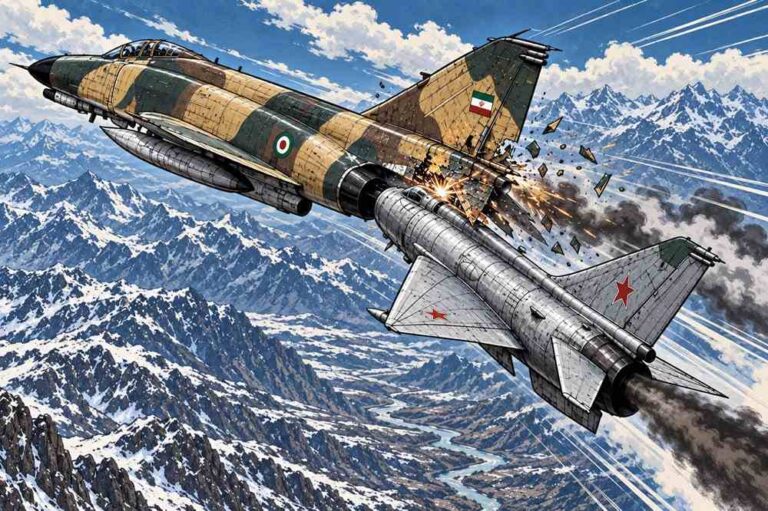
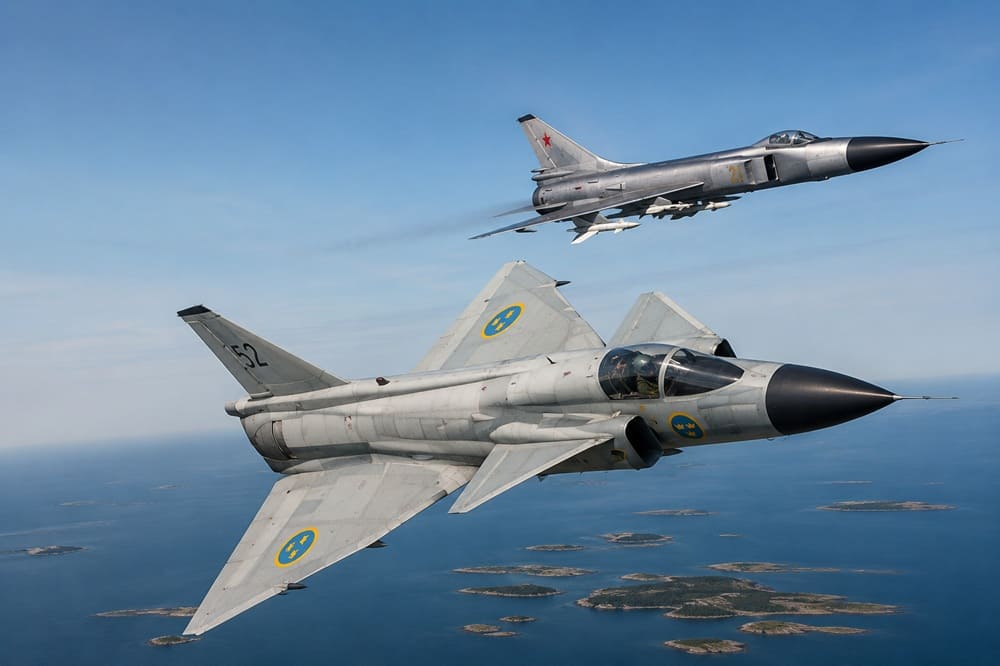
The collision of the SH 37 Viggen and the Su-15 over the Baltic Sea is a textbook example of Cold War aerial brinkmanship. During a Swedish maritime reconnaissance mission near Soviet naval activities on 7 July 1985, a Soviet Su-15TM Flagon and its pilot were lost. The episode showed how routine shadowing can become deadly when aircraft converge at low altitude.
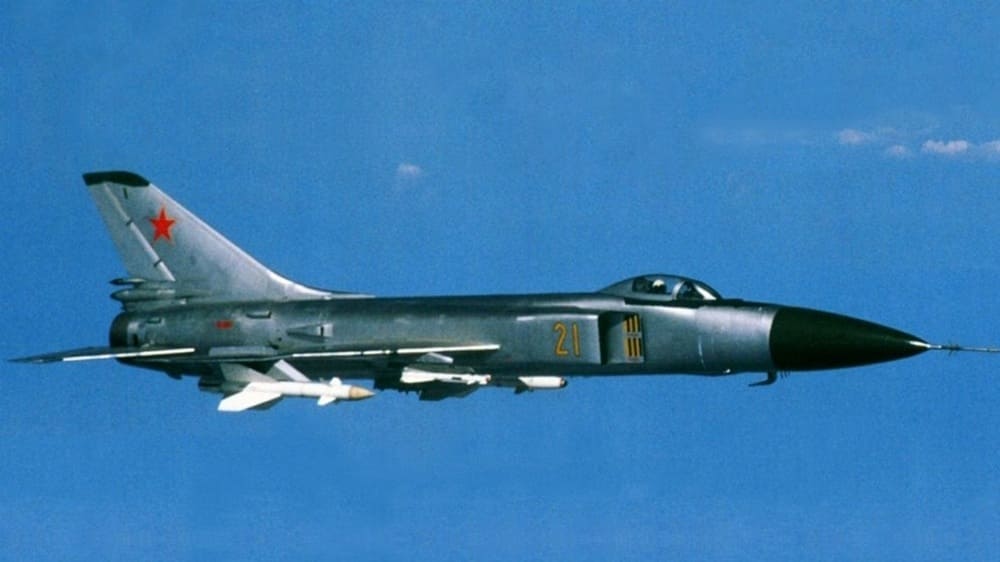
Su-15 Flagon: Soviet Interceptor
The Sukhoi Su-15 was the principal Soviet air defence interceptor from the 1960s to the 1990s. It was on a grand scale, but unknown in the West. It was little known because it had little to do: Soviet air defence, mainly ground-controlled.
Sukhoi designed the Su-15 as a faster and improved replacement for the Su-11 interceptor. Soviet planners intended it to destroy high-altitude targets such as B-52s, Handley Page Victors and Avro Vulcans. Ground controllers directed it against the incoming bombers, and the Su-15 used its powerful radar for the final attack.
The prototype made its first flight on 30 May 1962 The type entered service in 1967. The Su-15, as an air defence fighter, was often involved in handling intrusions and reconnaissance flights. But it wasn’t supposed to be a dogfighter on the low end.
Viggen vs Su-15 Baltic Mission
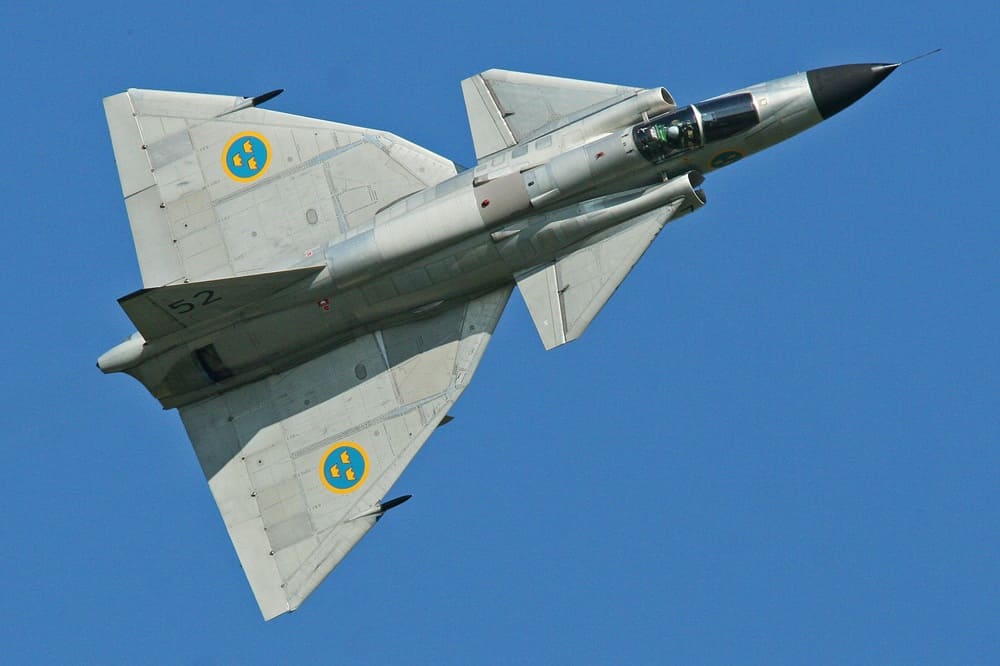
According to Yefim Gordon and Dmitriy Komissarov, Sukhoi Interceptors: The Su-9, Su-11 and Su-15: Unsung Soviet Cold War Heroes, the incident began on 7 July 1985. A SAAB SH 37 Viggen maritime reconnaissance aircraft, tactical number 03 and call sign “Martin Red 03″, took off from Norrköping.
The aircraft was part of the Royal Swedish Air Force’s 13th Air Wing, F13, also known as Bråvalla Flygflottilj. The pilot, Capt. Göran Larsson, was in command of the mission. His job was to watch for Warsaw Pact warships exercising in the Baltic.
Some 35 minutes later, Larsson spotted the ships in international waters off Liepaja, then a Soviet naval base in Latvia. The “cake” in intelligence slang, referring to the target group, covered a wide area. There was also fighter cover with the ships.
At Vainode, a pair of camouflaged Su-15TMs from the 54th Guards Fighter Aviation Regiment intercepted a Viggen. “36 Yellow”, the lead aircraft, stayed close to the other aircraft. Meanwhile, the wingman stayed farther back. The ships were scattered, and Larsson could not get shots of all of them. So he went back to base, refuelled and took off again.
Low-Level Manoeuvres and Crash
Larsson flew 150 m, or 490 ft, on the second run. He kept radios quiet and radar off to reduce his signature. But he came back to the area and found the two Su-15s again. This time the wingman pulled up and began to follow.
The SH 37 Viggen / Su-15 dynamic then shifted from surveillance to dangerous manoeuvring. Larsson tried to throw off his pursuer with a series of low-level aerobatic manoeuvres. But now speed and radar power counted for little against the Viggen’s agility. The Su-15, however, was intended for high-speed interceptions under ground control, not for close-in tactical flying.
The Soviet fighter entered a high-g descending manoeuvre but could not recover. The Su-15 plunged into the water nose-high and exploded on impact. Failed to eject, Capt. Zhigulyov S. was killed.
Escape and Swedish Support
The crash shocked Larsson. He aborted the mission, descended to 50 m (164 ft), and accelerated to Mach 1.1 in full afterburner. But the second Su-15, some 5 km (3.1 miles) behind, went after.
The Flagon had painted him with radar, Larsson’s radar homing and warning system indicated. The Soviet pilot had an aggressive look. Baffling. Larsson pulled back the afterburner, reducing his infrared signature and making it harder for heat-seeking missiles to lock onto his aircraft.
Then he returned to Norrköping. However, two Swedish fighters were loitering nearby as a communications relay came in to assist. The other Su-15 left the scene, returned to the crash site and circled for some 40 minutes before flying back to Vainode.
Baltic Incident Aftermath
After a debriefing with his unit commander, Larsson chose not to include the aggressive low-level manoeuvring in his official mission report. Swedish pilots were instructed to concentrate on their missions and to avoid unnecessary aerobatics during sorties.
Royal Swedish Air Force Lt.-Gen. Sven-Olof Olson, the commander, offered a formal apology. Meanwhile, the Soviet Union never lodged an official protest. The restraint indicates that both sides hoped to avoid escalation.
Search teams looked for two days for the wreckage and the bodies. They didn’t find one or the other. Capt. Zhigulyov was thus declared missing in action until 1995. But that year a piece of his flight jacket was found on a beach, confirming the human toll.
Conclusion
The SH 37 Viggen versus Su-15 incident reveals a fundamental problem with Cold War air defence. Radar, missiles and ground control may provide interceptors a paper edge. But the mission design was important. The Su-15 was well suited for bomber interception; the SH-37 Viggen was effective at low level in the maritime recon role.
The event also showed how peacetime shadowing could approximate combat without a formal attack order. One serious move, one radar lock-on, and one second of anger could have caused a major incident. The Baltic crash is still a valuable case study in aircraft design, pilot judgement and escalation control.
In short, the Su-15 was a real interceptor, but the 1985 Baltic meeting showed its limitations outside its intended envelope. For Sweden, the Viggen’s low-level capability and disciplined support system prevented a dangerous mission from escalating into a larger military incident.
References
- https://defensenewstoday.info/soviet-fighter-jets-in-u-s-combat-training-program-constant-peg/
- https://www.csce.gov/publications/baltic-tribunal-against-soviet-union/
- https://defensenewstoday.info/historical/
- https://aviation-safety.net/wikibase/90040
- https://www.saab.com/sv/markets/sweden/stories/2021/saab-37-viggen
About the Author