

Saudi-Yemeni Military Meeting—Security Push Led by Riyadh
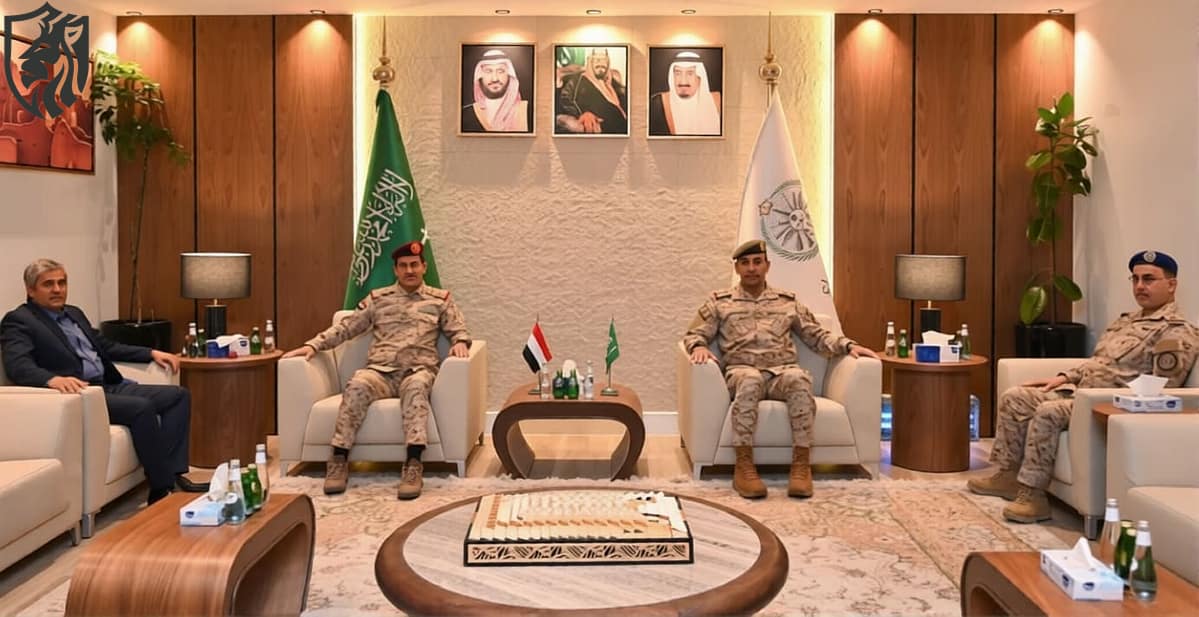
The Saudi-Yemeni military meeting in Riyadh shows that efforts to coordinate defense in Yemen are picking up again. It’s important to note that senior commanders used the engagement to bring military and political efforts into line while also strengthening Saudi Arabia’s role as a security guarantor in the region. For defense analysts, the meeting shows how coalition frameworks are still affecting the course of the conflict.
Top-Level Riyadh Talks
Lt Gen Fahd Al-Salman, the Commander of the Joint Forces, officially welcomed Yemen’s new Defense Minister, Lt Gen Taher Al-Aqili, to the Joint Forces Command headquarters in Riyadh. At the Saudi-Yemeni military meeting, both sides looked at what was happening on the battlefield and talked about the overall security situation in Yemen. In addition, Lt. Gen. Al-Salman started the talks by congratulating Lt. Gen. Al-Aqili on his new job. This gesture was diplomatic, but it also showed that military-to-military engagement would continue even with changes in leadership.
Ending the Yemen Crisis
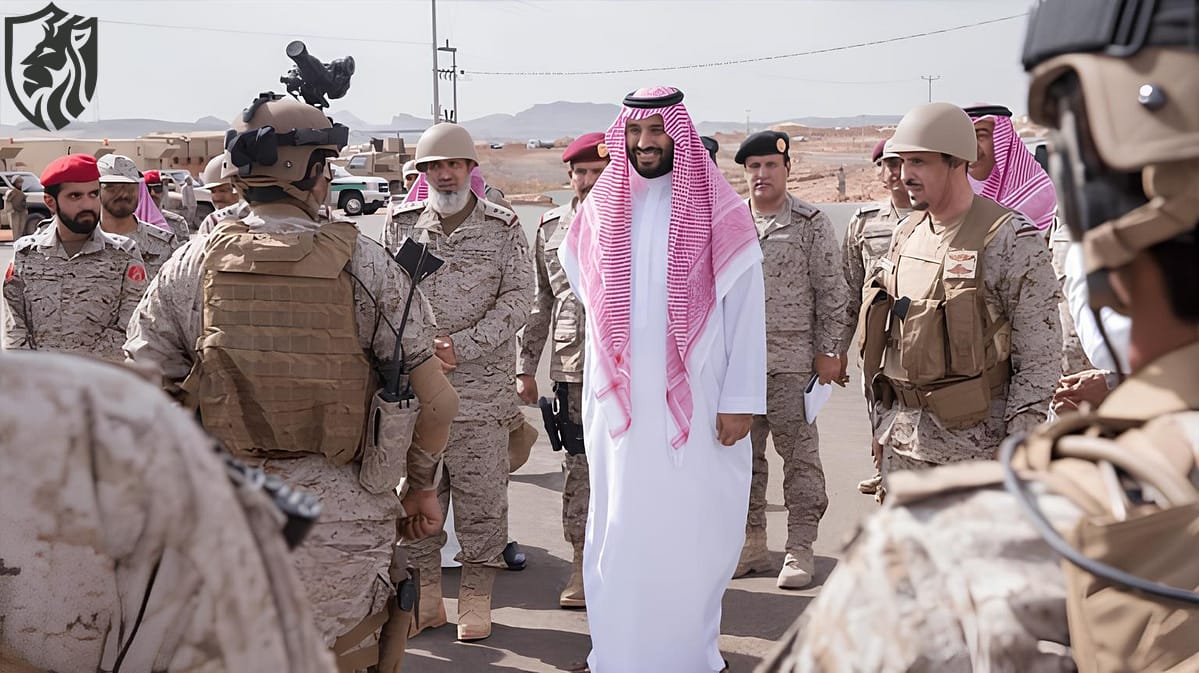
The talks put a lot of emphasis on finding a way to end the Yemen conflict that also makes the area safer in the long run. Officials say that the Saudi-Yemeni military meeting looked at current efforts to lower violence, stabilize frontlines, and support Yemen’s national institutions.
In addition, both delegations made it clear that military pressure alone cannot bring about peace. So, defense coordination now more and more supports political dialogue, enforcing a ceasefire, and protecting civilian infrastructure. International observers are closely monitoring these important goals.
Analyst Strategic Context
From an analytical perspective, this engagement signifies Saudi Arabia‘s ongoing investment in coalition command structures. The Joint Forces framework has changed since 2015 to include Yemeni command authorities more directly, which has made it easier for them to work together and share information.
So, the Saudi-Yemeni military meeting also shows that they trust Yemen’s defense leaders at a crucial time. Riyadh seems to be committed to keeping operational coordination going instead of cutting back on its presence too soon, since regional maritime security, border stability, and counter-militia operations are still at stake.
Pakistan’s Role
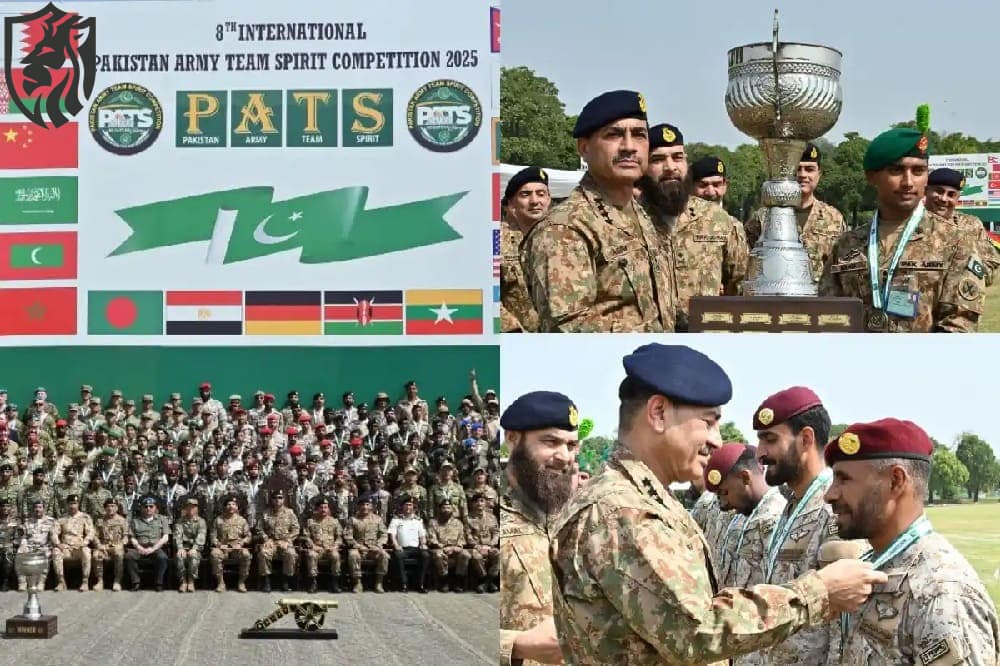
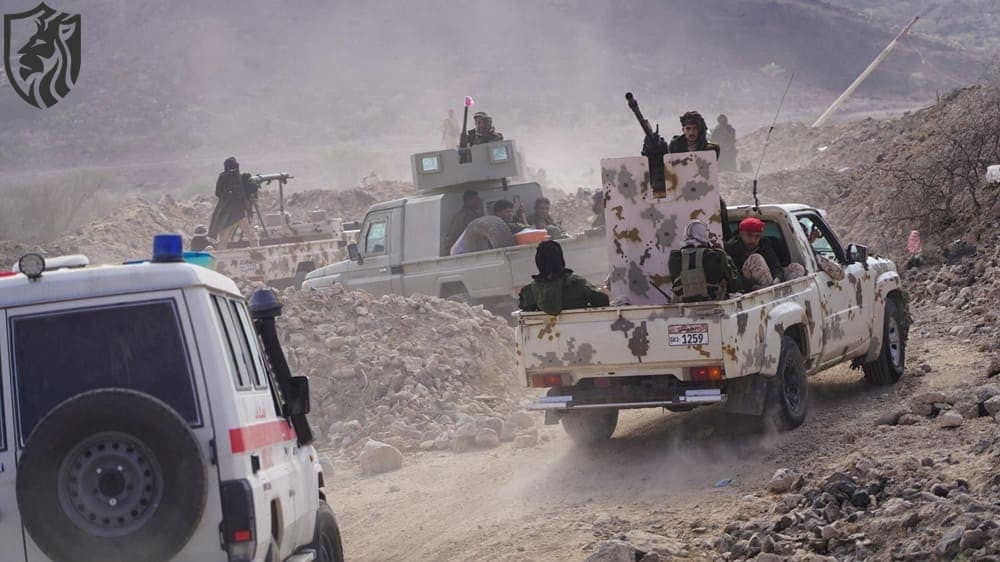
The media has not identified Field Marshal Asim Munir, who serves as a formal mediator between Riyadh and Yemeni parties. He has, however, supported de-escalation regarding the Yemen issue by using Pakistan’s defense access to Saudi leaders. Munir met with Saudi Defense Minister Prince Khalid bin Salman in Riyadh, where they talked about working together to advance peace and security—words that are frequently used to describe coalition diplomacy in Yemen. Analysts assert that under Munir’s leadership, Pakistan’s military has paved the way for a negotiated end-state by easing Saudi-UAE tensions concerning Yemen. This military-to-military trust can then strengthen Riyadh’s outreach and lessen misunderstandings among various Yemeni factions.
Meeting Significance
In the end, the meeting shows that Saudi Arabia still wants managed de-escalation with reliable military coordination. In Yemen, it makes the defense establishment more legitimate and stable. It confirms for people who watch regional security that Riyadh is still important to any possible end state in Yemen.
References
- https://www.spa.gov.sa
- https://www.arabnews.com
- https://defensenewstoday.info
- https://www.un.org/securitycouncil
About the Author