Saudi F-15SA IRIS-T Integration—Riyadh's Airpower Shift
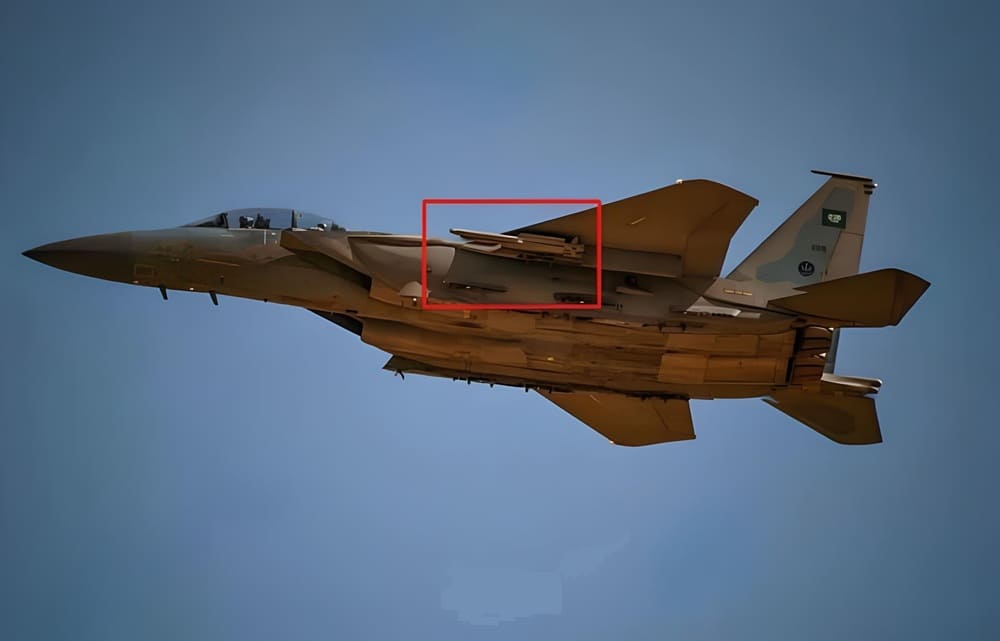
The Royal Saudi Air Force has a picture out; it is an F-15SA plane with a German-led IRIS-T missile. This Royal Saudi Air Force F-15SA and the German-led IRIS-T missile are making many people in the defense world talk. At first, it seems like the Royal Saudi Air Force F-15SA and the German-led IRIS-T missile are just testing together.
However, if you look at the Royal Saudi Air Force F-15SA and the German-led IRIS-T missile again, you will see that it is actually a change in how the Royal Saudi Air Force does things. They are trying to make their planes work with many different systems, be able to get parts and help from many places, and work well with other planes and systems. The Royal Saudi Air Force F-15SA and the German-led IRIS-T missile are part of a plan to make the Royal Saudi Air Force strong in many ways.
The Photo That Changed Everything
Saudi aviation observer BNSALEM was the first to share the pictures. The images quickly caught the attention of defense experts around the world. Boeing, the company that made the F-15 fighter, and Saudi officials have not officially said anything about the project yet. Still, just looking at the pictures is enough to change how people think about the strength in the Middle East.
The F-15 family has long operated within a tightly integrated American ecosystem. This includes things like software, how people use weapons, and how they maintain the planes. So seeing a missile under an F-15 wing shows that Saudi Arabia is making an effort to use an open-system design. This way they are not relying much on just one supplier.
Breaking Free From One Supplier
Saudi Arabia wants to buy different kinds of weapons. This move reflects a global trend of countries preparing for conflict, even amid tensions or when some refuse to sell them weapons. Saudi Arabia’s air force is strong. It has many different planes, including F-15SAs, Eurofighter Typhoons, and Tornados. Operating diverse fleets creates both complexity and opportunity. The Saudi F-15SA is now working with a kind of missile called IRIS-T. This capability can help them use the same missiles on different planes. This capability is important for Saudi Arabia because it can help them fight better, even if other countries do not help them or sell them weapons.
They want to be able to defend themselves regardless of what happens with other countries. The plan to use different kinds of weapons and missiles is critical. It shows that Saudi Arabia is thinking about the future and how to be strong and ready. They are not just relying on one or two kinds of planes or missiles. They want to have options. This approach will also affect how other countries work with Saudi Arabia.
Shared Missiles, Shared Savings
Shared Inventory, Streamlined Sustainment
Saudi Arabia bought 1,400 IRIS-T missiles for its Eurofighter and Tornado fleets a while back. These missiles were delivered between 2010 and 2014. Then, in 2024, Germany agreed to sell Saudi Arabia 150 IRIS-T missiles. This helps Saudi Arabia feel confident that they have missiles for a long time. The IRIS-T missiles they already have are part of the system that Saudi Arabia uses to keep its military equipment running.
Using the missiles on different planes like the Typhoon and F-15 makes things easier. It means they do not need to keep many extra parts and the technicians do not need to learn as much new stuff. This also helps them know what they have in stock when they are doing many operations at the time. History shows that running out of supplies can stop operations before the planes themselves reach their limits. If all the planes use the missiles, it is easier to get them all ready to go at the same time, which is a big advantage when things need to happen fast.
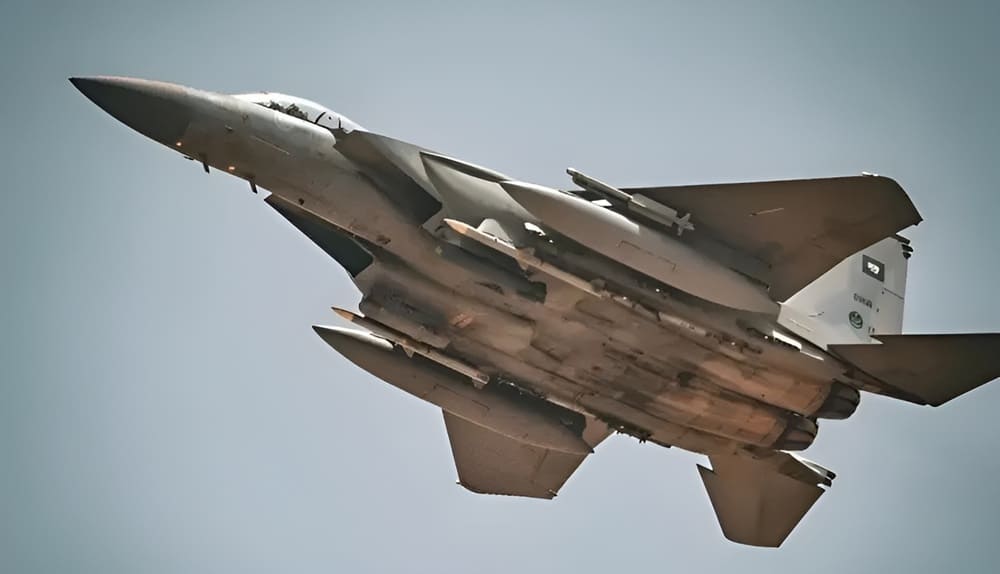
Reports suggest the IRIS-T mounts directly onto Sidewinder-compatible launch rails. This means that the engineers in Saudi Arabia might have been able to use the existing equipment without having to make new parts for the planes. If this information is true, it would save them a lot of money and time. They could start using the missiles sooner. This would help the military get missiles to the planes that need them faster.
What IRIS-T Delivers
A Sensor-Enabled Engagement Tool
Six nations—Germany, Italy, Sweden, Greece, Norway, and Spain—jointly developed the IRIS-T. It works differently from infrared missiles that just follow heat. The IRIS-T creates an image of its target using infrared. This feature makes it harder for planes to avoid it using flares or electronic tricks. The missile can turn quickly, making sharp turns of about 60°. It can also be fired at targets far off to the side thanks to a special helmet that helps the pilot aim.
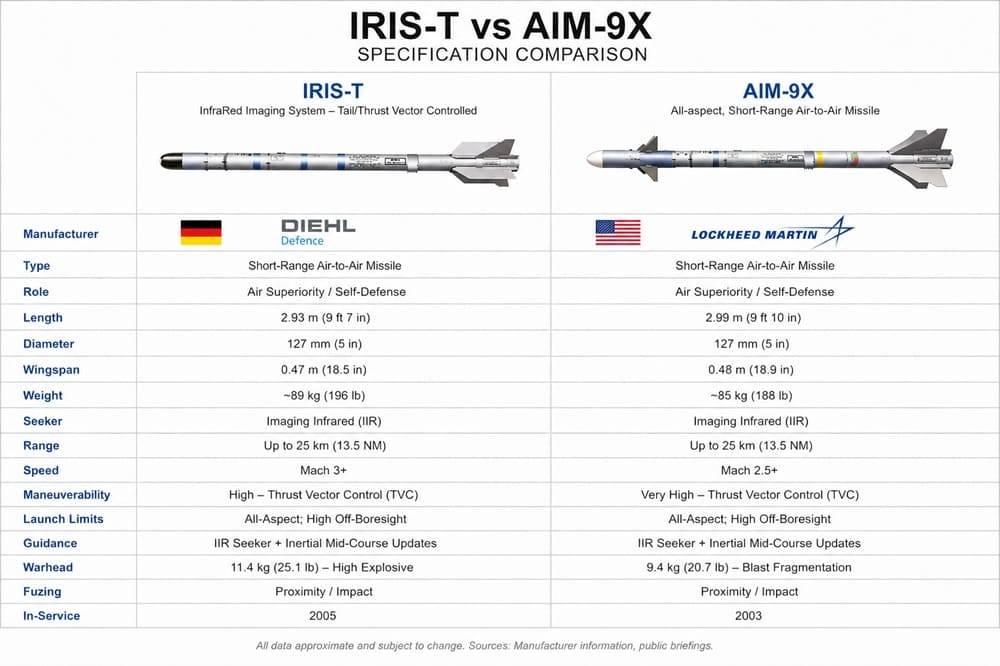
The IRIS-T is being used on Saudi F-15SA planes. It’s not meant to replace the AIM-9X Sidewinder missile. Instead, it gives pilots another option for situations. In close-range air battles, having sensors and getting the first shot is more important than just being able to turn fast. The IRIS-T helps with that by working like a team, with the pilots’ sensors. It’s not another missile; it’s a tool that helps pilots engage targets more effectively. The IRIS-T and its sensors help pilots use their shots more effectively.
The F-15SA Edge
The F-15SA is one of the most lethal non-stealth fighter jets in the world. It offers many features, like a special flight system, a powerful radar, and tools to fight electronic battles. The F-15SA also has a sensor that can find things using heat. All these things work well together. The F-15SA’s flexibility enables compatibility across multiple multinational weapon systems. The software on the F-15SA is also excellent. It can be easily updated and integrated. This means it can work with weapons and systems from many different countries. Saudi Arabia has 71 Eurofighter Typhoon jets. They got these jets as part of a deal called Al-Salam. These jets can also carry IRIS-T besides F-15SA.
A Strategic Shift
No evidence indicates that the IRIS-T integration was a solution during wartime. This suggests long-term planning as part of a broader strategy to modernize their military. The integration probably happened through software changes and updates to their mission systems, not a sudden need. Saudi Arabia has usually bought defense systems from both America and Europe. The IRIS-T integration with their F-15SA fighter jets shows a bigger change: they are moving towards getting military supplies from many different sources.
This approach is based on what they need for their missions, not on who can supply it. Today’s military planners evaluate fighter jets based on their maintenance and network adaptability, not just performance. Riyadh is focusing on these areas. This will help them build up their military quickly, keep it strong for longer, and respond faster to threats.
The Bigger Picture
The first picture of an F-15SA with an IRIS-T on it might be remembered for something other than just the IRIS-T and the F-15SA. It is a real sign that Saudi Arabia is making significant changes to the way airpower works in the Middle East. Saudi Arabia is taking planes from America and missiles from Europe. They are putting them together to make a strong air force. This development means the F-15SA and the IRIS-T will be part of an air force that can keep going for a time, adapt to new situations, and not have to rely on just one country for supplies.
References
- Defence Security Asia—Saudi F-15SA IRIS-T original report
- Diehl Defence—IRIS-T system overview
- Boeing—F-15SA Advanced Eagle
- Airforce Technology—Eurofighter Typhoon
About the Author