Saudi Arabia Blocks Pakistan Arms deal in Africa
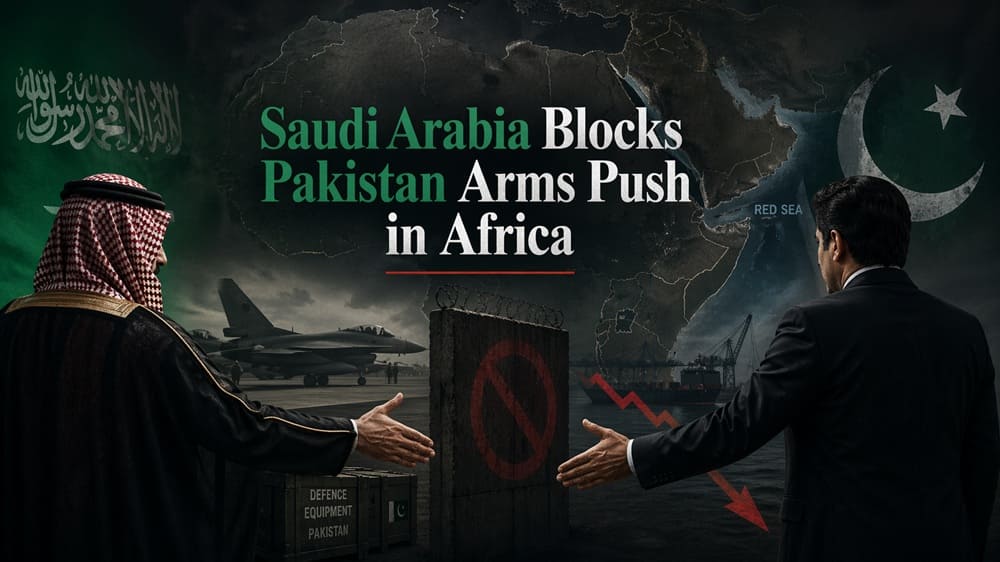
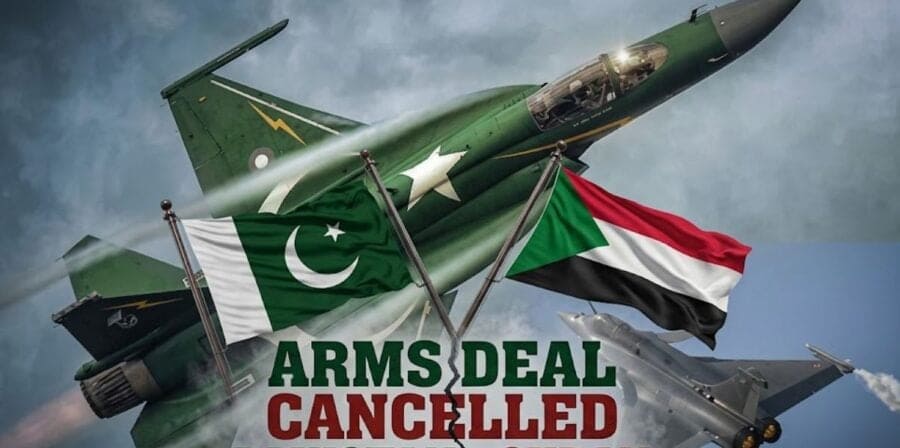
Saudi Arabia stops Pakistan from selling weapons at a bad time for Islamabad’s export plans. What seemed like a big step forward for Africa now seems much less likely. Reports say that Riyadh has asked Pakistan to stop sending Sudan a $1.5 billion weapons package and to think about a $4 billion defense deal with Libya. That change is important because Saudi funding gave both deals strategic weight in the first place.
The problem for Pakistan isn’t just money they lost. It’s also about moving forward. Islamabad has tried to turn the recent interest in its defense industry into long-term export gains, especially in markets that want cheaper fighter jets, trainers, and weapons. You can put this story next to other news stories about Pakistan’s defense exports and the JF-17 program.
Importance of Sudan Deal
The Sudan deal was said to be worth $1.5 billion and had moved well past the early stages of discussion. Reuters says that the deal included fighter jets and other weapons systems and that Saudi Arabia had first agreed to pay for it but then changed its mind. The deal basically stopped when Riyadh stopped giving money and told Pakistan to end the deal.
That matters because Sudan wasn’t just another customer. It was a chance for Pakistan to expand its military-industrial presence in Africa. A deal this big could have made Pakistan look more trustworthy as a source of cheap combat systems, training aircraft, and other support packages. Also, if Islamabad had done well in Sudan, it might have had better chances in other African markets that were closely watching the deal.
Humanitarian pressure
But the sale of Sudan didn’t go through because of harsh political realities. The war in Sudan has been going on for four years now and is still one of the worst humanitarian disasters in the world. Reuters said that the proposed arms purchase came at a time when the US and its allies were getting ready to send aid, and international pledges were expected to reach about $1.5 billion. The UAE promised $500 million as part of that package. In that situation, giving money to one side of the conflict to buy a lot of weapons became politically dangerous.
Saudi Arabia had to weigh the cost of diplomacy against the benefit of strategic influence. Riyadh may still see supporting Sudan’s army as a good idea, especially since the UAE is still competing with Saudi Arabia for access to Sudanese resources and the Red Sea corridor. But directly paying for a large weapons package for Pakistan would have made Saudi Arabia look even more involved in a violent proxy war. According to Reuters, Western governments told Riyadh not to get more involved in proxy wars in Africa.
Riyadh’s Wider Shift
Saudi Arabia stops arms deals with Pakistan for more than just Sudan. A second Reuters report from December said that Pakistan had signed a defense deal worth more than $4 billion with forces that support Libya’s Libyan National Army. The reported package included 16 JF-17 fighter jets, 12 Super Mushak trainers, and other military gear that would be delivered over the course of about two and a half years. If Riyadh is also changing its mind about Libya, this is a bigger strategic change, not just a one-time objection.
In other words, it looks like Saudi Arabia is focusing on fewer things. It is putting less emphasis on underwriting complicated external projects and more on immediate regional stability, domestic readiness, and the risks that come with rising tensions with Iran. Reuters also said that Pakistan is working on diplomacy that could lead to a long-term deal between the U.S. and Iran. That makes it even harder for Saudi Arabia to make decisions, since Gulf security concerns now affect almost every other file.
What It Means for Pakistan Exports
This is a warning for Pakistan. You can’t just rely on how competitive your products are to export. They also depend on money, political support, exposure to sanctions, and how comfortable powerful partners feel about the strategy. Pakistan can still sell platforms at lower prices well. But when Saudi money or political support goes away, the business equation changes quickly.
Also, there are still real opportunities in Africa, but they are harder to get. Many buyers would rather have cheap planes, flexible training packages, and useful weapons than expensive Western systems. Pakistan can meet that need. Still, fragile states and places with trade restrictions are bad for business and can hurt your reputation. The Libya angle makes this clear, because any sale there will always be looked at closely because of the long-running U.N. arms embargo environment that is often talked about in international news.
Gulf Reset, Red Sea Impact
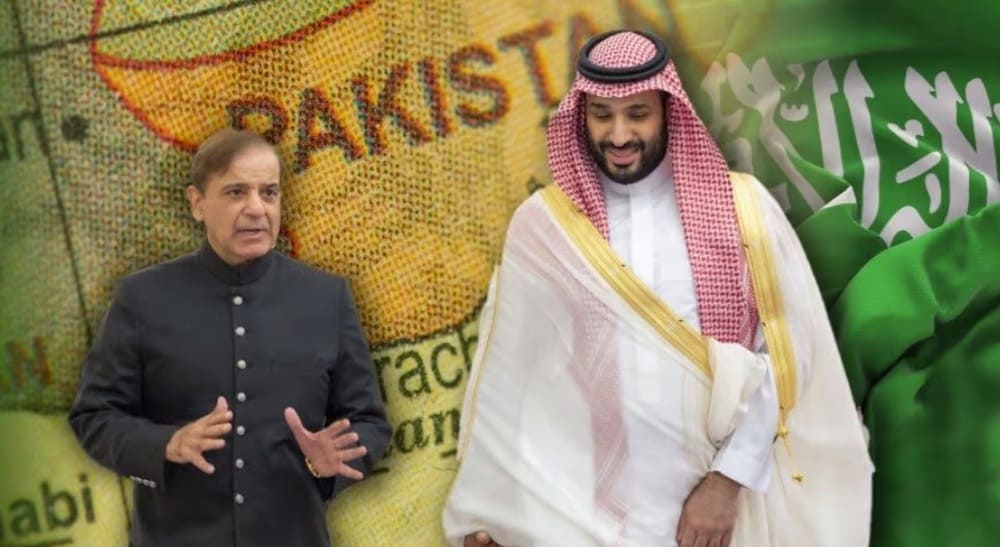
This story also shows how the balance of power in the Gulf is changing. Saudi Arabia and the UAE are still fighting for power in the Red Sea and Horn of Africa corridor. That fight is going on in Sudan. But now Riyadh seems more careful about turning power into visible military support. That caution might not mean going back. Instead, it could mean that they prefer diplomatic access, selective aid, and controlled engagement over giving out big arms packages that get a lot of media attention.
That would be a big change. For a long time, Saudi Arabia has been one of Pakistan’s most important financial and strategic partners. If Riyadh no longer wants to pay for defense deals in unstable African theaters, Islamabad will need to find new ways to grow its exports. It might need money from the government, business loans, or other sources of support. Otherwise, big deals will still be open to political shocks from outside.
Why It’s important
Saudi Arabia stops arms deals with Pakistan when Islamabad wants to show that its defense industry can grow beyond its usual partners. That goal doesn’t end just because things are slowing down in Sudan and things are unclear in Libya. But it does show how hard it is to expand exports when geopolitics changes faster than contract talks.
The main point is simple in the end. Pakistan’s goods may still be appealing to buyers, but strategic finance now decides which deals go through. This change in Riyadh is important not just for Sudan or Libya, but also for the future of Pakistan’s military presence in Africa.
References
- https://www.reuters.com/world/middle-east/pakistan-places-15-billion-sudan-weapons-sale-hold-after-saudi-objection-sources-2026-04-20/
- https://www.reuters.com/world/asia-pacific/pakistan-strikes-4-billion-deal-sell-weapons-libyan-force-officials-say-2025-12-22/
- https://sd.usembassy.gov/sudan-humanitarian-fund-call-to-action-event/
- https://www.reuters.com/world/africa/why-is-sudan-war-what-is-impact-2026-04-15/
About the Author