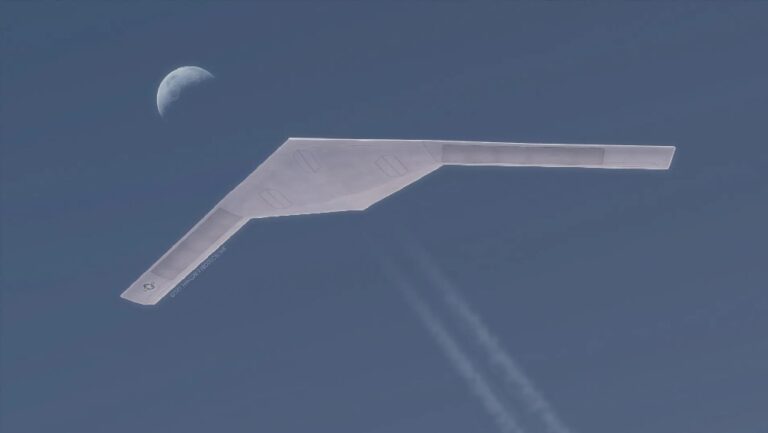

Sanctum C-UAS 2025 — Cloud-First Counter-Drone Shield
Lockheed Martin and Microsoft have launched Sanctum, a cloud-led counter-drone system. The key move is the build, not a single sensor, because the threat shifts faster than most hardware cycles. Sanctum links sensors, command tools, and kill tools, and it aims to improve through frequent software updates.
Cloud Edge in Counter-Drone Defense
Small drones fly low and blend into clutter, so sensors must work hard to keep a firm track. Moreover, raids can come in packs and force quick choices, so crews need a tool that sorts tracks fast and shows what matters. Sanctum therefore aims to fuse data from many sites and send a clear view back to crews in real time. Lockheed calls the system an “Azure-based digital backbone” that merges sensor feeds to speed decisions.
Scalable Architecture for Evolving Threats
Sanctum uses a plug-in design that can scale as needs change, from a small base site to a wider force. It brings sensors, command-and-control, and kill tools into one stack. As a result, teams can add or swap parts without tearing out the whole system. That keeps costs down and keeps crews on one workflow, which matters when units rotate and training time stays tight. In addition, Sanctum lets users add third-party gear through a software development kit (SDK).
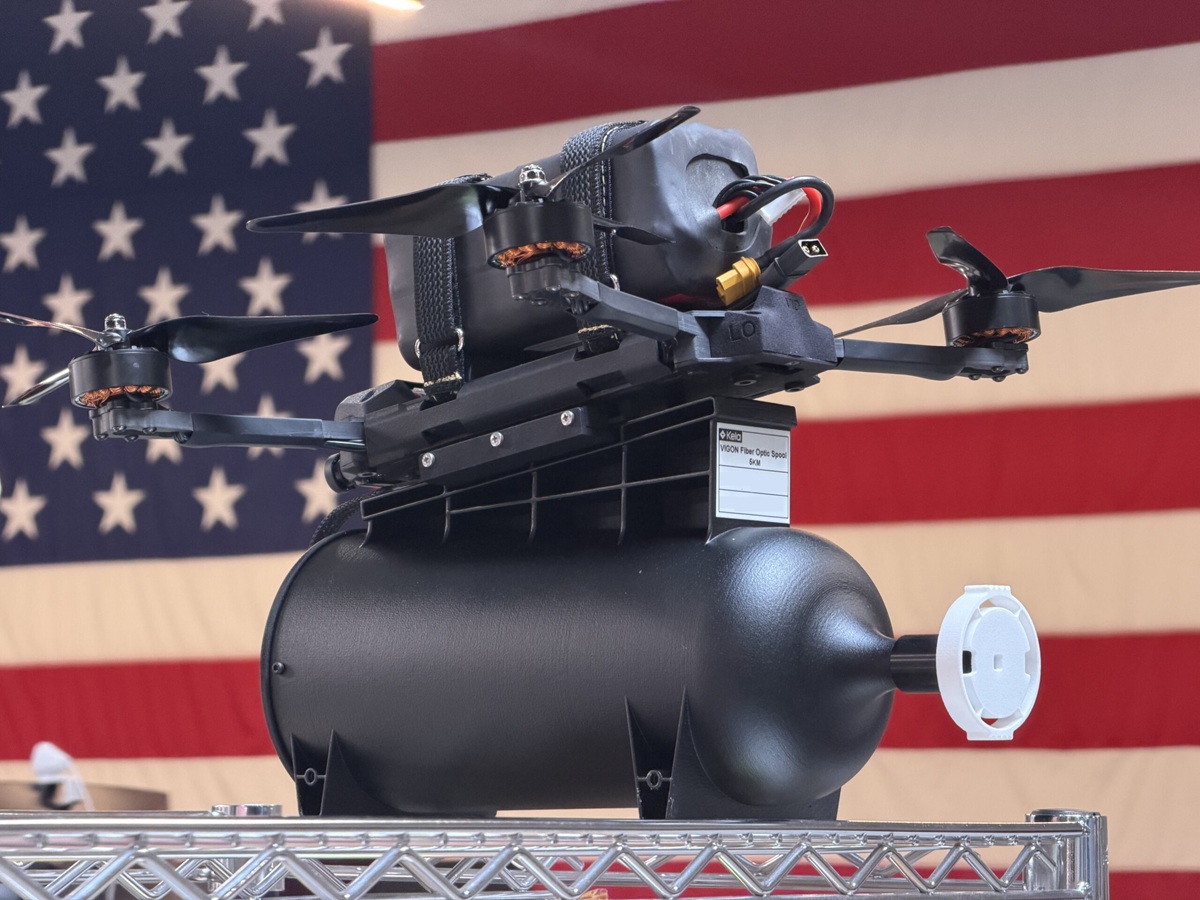
Sanctum C-UAS in Combat
Lockheed and Microsoft list three main jobs.
- Multi-sensor tracking across locations
- Auto threat checks and threat ranking
- Linked response across domains
In practice, Sanctum C-UAS aims to cut the time from “first track” to “first action.” It should join tracks, score risk, and cue a response in one console, even when the picture becomes busy and noisy. Therefore, crews spend less time swapping screens and more time acting on the highest-risk tracks first.
Azure Stack Powering Sanctum
Open reporting links Sanctum is connected to several Azure tools, so teams can pull data in and act fast. It names Azure IoT Hub for ingest, Azure Synapse for data work, and Azure AI Foundry for AI flows. It also links the user layer to Azure Monitor and a simpler screen that shows only what matters, so crews can stay focused.
AI for Faster Threat Triage
Sanctum does not claim AI can “see” the sky on its own. Rather, it claims AI can help sort tracks and cut noise under pressure, so crews can focus on what is real. A Lockheed-linked write-up describes an exercise where one operator used the console to spot and stop several drones near a test base, while the system helped keep tracks tidy. However, open sources note few independent checks, so treat the data as a vendor claim and watch for repeat tests.
Sanctum’s Place in Modern C-UAS
Many C-UAS efforts fail when teams field single tools in a silo, because each box solves one task, but no one links the chain. Each sensor and kill tool can end up running its view. Therefore, the field is transitioning to “systems of systems” that swiftly integrate new sensors and integrate multiple tools into a single control layer; Sanctum C-UAS is positioned in this emerging trend. Lockheed made a similar point in 2025 when it set out open, layered counter-UAS work and stressed rapid teamwork against swarms.
Conclusion
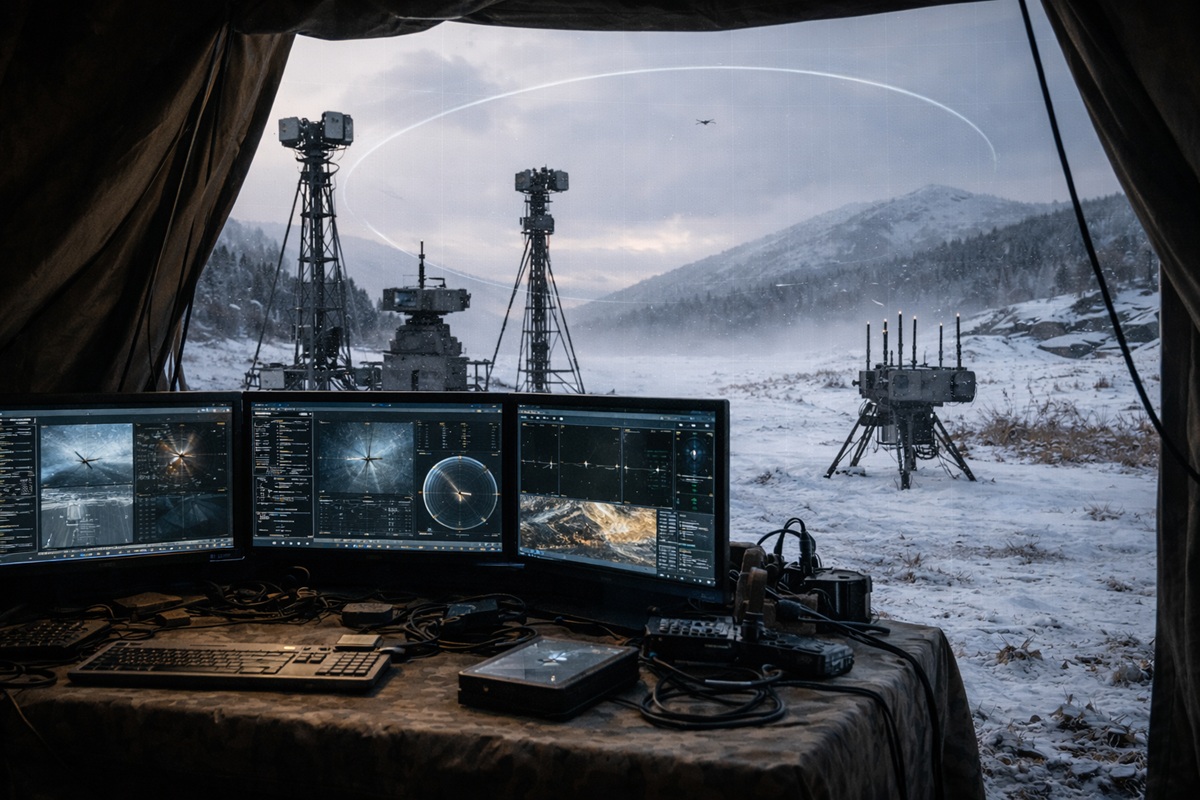
Sanctum C-UAS points to a new, software-led approach to counter-drone defense. By pooling sensor feeds, ranking threats automatically, and supporting quick plug-ins for new kit, Lockheed and Microsoft want to cut reaction time during swarm attacks. Now the proof will come from field use: reliability, seamless integration, and steady performance when networks falter. For more detailed scholarly articles on Drones and cybersecurity, please visit Defense News Today.
References
- https://news.lockheedmartin.com/2025-02-26-Lockheed-Martin-Unveils-Scalable-Counter-Unmanned-Aerial-System-Solution
- https://www.microsoft.com/en/industry/defense-intelligence
- https://www.cuashub.com/lockheed-microsoft-partner-to-develop-next-gen-c-uas/
- https://www.marketscreener.com/quote/stock/LOCKHEED-MARTIN-CORP-13486/news/Lockheed-Martin-Unveils-Scalable-Counter-Unmanned-Aerial-System-Solution-49174157/
About the Author