Russian cargo plane arrives in Cuba
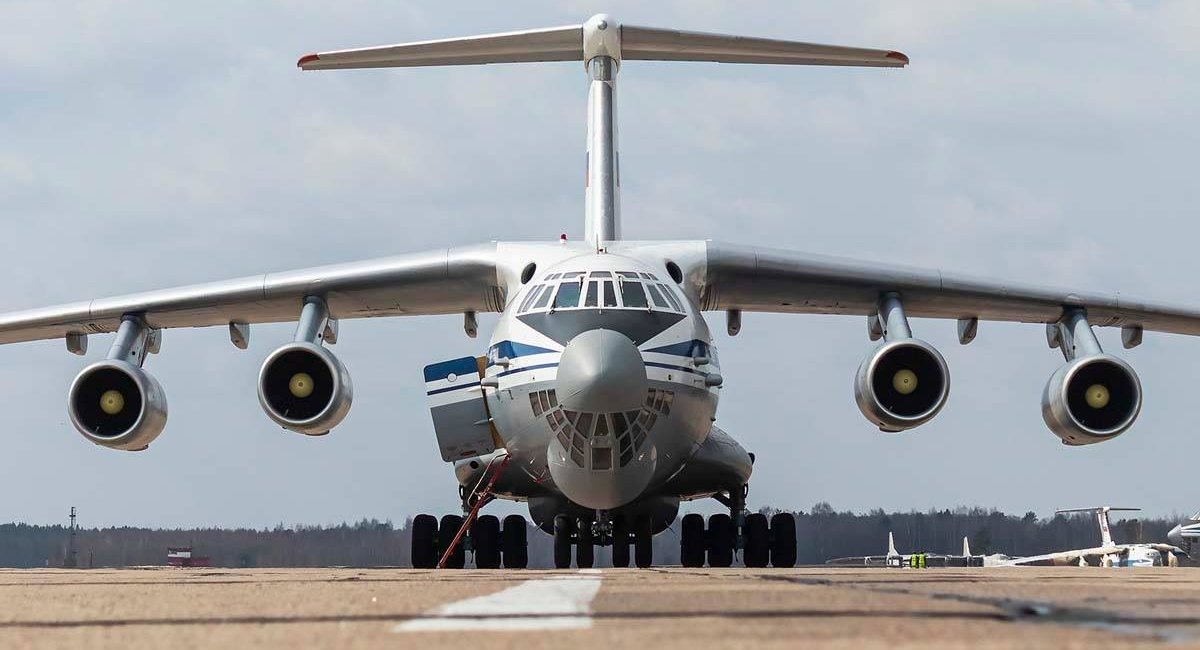
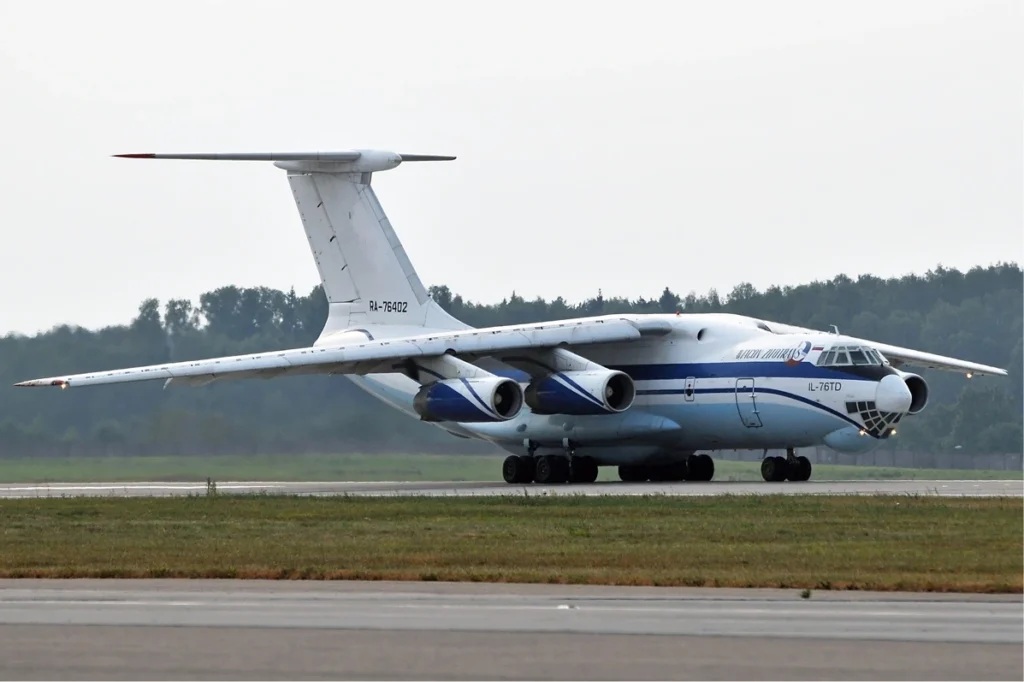
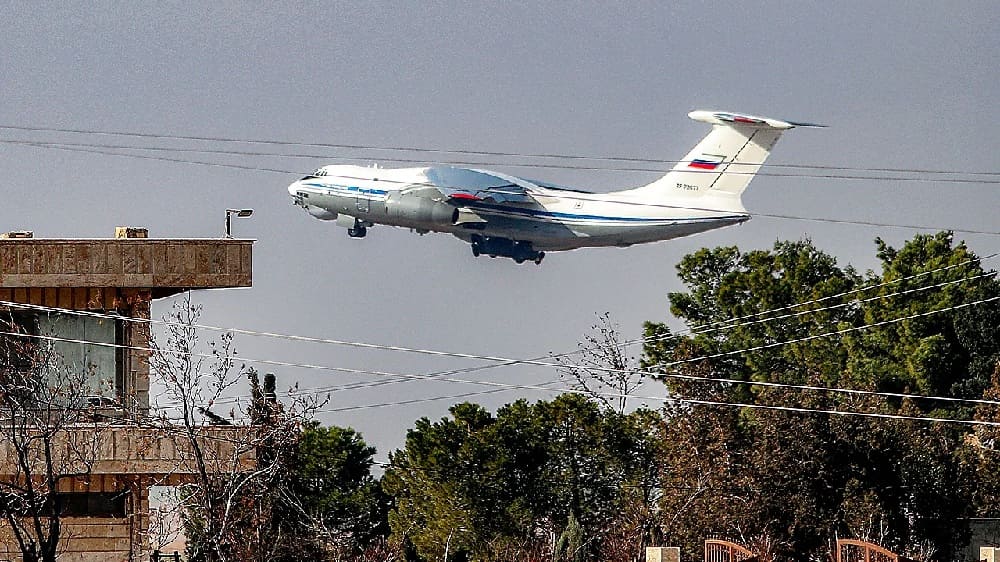
A Russian heavy-lift transport linked to previous military deliveries in Cuba has landed at a key airbase near Havana, reviving memories of the rapid logistics build-up that preceded the Venezuela raid. The aircraft—an Il-76 operated by Aviacon Zitotrans—arrived late Sunday at San Antonio de los Baños Air Base, roughly 50 kilometers south of the capital.
Route beats headlines
Flight records show a multi-stop itinerary that looks designed for flexibility and access rather than speed. The Il-76 departed St. Petersburg via Sochi, then staged through the Dominican Republic, Mauritania, and Algeria before arriving in Cuba. That blend of hubs suggests a mission planned around overflight permissions, refueling options, and plausible deniability.
Moreover, the stop pattern closely mirrors an earlier October 2025 circuit that included Venezuela and Nicaragua. Routing repetition often indicates a familiar approach: utilizing established corridors, minimizing unexpected events, and maintaining flexibility in the event of diplomatic closures.
Why the operator is under scrutiny
Il-76 aircraft can carry up to 50 tons of freight, or roughly 200 people, which makes them ideal for “single-sortie” moves of bulky kit. However, the operator matters as much as the airframe. The U.S. Department of the Treasury sanctioned Aviacon Zitotrans in January 2023, describing the firm as a transporter of defense-related cargo—ranging from rockets and warheads to helicopter parts—across multiple theaters.
In parallel, Ottawa and Kyiv have also sanctioned the airline for similar reasons, according to reporting. Additionally, Rosoboronexport, Russia’s state arms trade, has linked the company to its exports. That connection raises the likelihood that any “unknown cargo” is at least politically meaningful, even if it is not always militarily decisive.
Lessons from Venezuela
This same aircraft (registration RA-78765) reportedly delivered air-defense systems to Caracas ahead of the January 2026 operation that captured Nicolás Maduro. Russian accounts specifically cited Pantsir-S1 and Buk-M2E, a plausible loadout by weight, although the Buk would likely require partial disassembly because of vehicle height constraints. Yet those defenses did not prevent the U.S. raid. Analysts largely blamed a mix of poor preparation, operator error, and overwhelming American capability—an outcome that matters because it shapes how Havana (and Moscow) will price risk now.
For regional context, you can cross-read these internal primers:
- US Missile Strikes on Venezuela—Targets Analyzed
- U.S. Reopens Puerto Rico Naval Base—Signal to Venezuela
Washington turns the screw
Timing is the other signal. After the Venezuela operation on 3 January 2026, Donald Trump escalated pressure on Cuba with an executive order that declares a national emergency and creates a tariff framework targeting imports from countries that provide oil to Havana. That mechanism matters because it moves beyond Cuba-only coercion. Instead, it threatens third parties and shipping networks that keep the island running. Consequently, any high-profile Russian airlift into Cuba now reads as both logistics and messaging.
You can review the primary documents here:
- U.S. Treasury sanctions release (Aviacon Zitotrans)
- White House executive order on Cuba-related tariffs
Key indicators
- Ground time and handling: short turnarounds often indicate palletized cargo; longer time hints at vehicles or specialized handling.
- Follow-on flights: a repeat sortie within days can indicate staged delivery rather than a one-off.
- Diplomatic signaling: watch for synchronized statements, port calls, or announced “training exchanges.”
- Air-defense signatures: Cuba does not need a full IADS refresh to create new risk; even limited point-defense additions can complicate planning.
Russian airlift into Cuba usually involves more than tonnage. It also tests access, probes reaction, and reassures partners. Therefore, the real question is not what one aircraft carried, but whether a sustained pattern emerges.
Conclusion
If the Russian cargo plane arrives in Cuba, it becomes a repeating headline; analysts should treat it as a campaign indicator, not a curiosity. In that case, Moscow may be rebuilding a familiar Caribbean logistics lane under sharper U.S. pressure—and with fewer margins for error than Caracas revealed.
References
- https://defensenewstoday.info/us-missile-strikes-on-venezuela-targets-analyzed/
- https://defensenewstoday.info/u-s-reopens-puerto-rico-naval-base-signal-to-venezuela/
- https://home.treasury.gov/news/press-releases/jy1220
- https://www.whitehouse.gov/presidential-actions/2026/01/addressing-threats-to-the-united-states-by-the-government-of-cuba/
About the Author