
Russia Sets Up Independent Military Branch for Drone Ops
Russian Military branch for drone operations
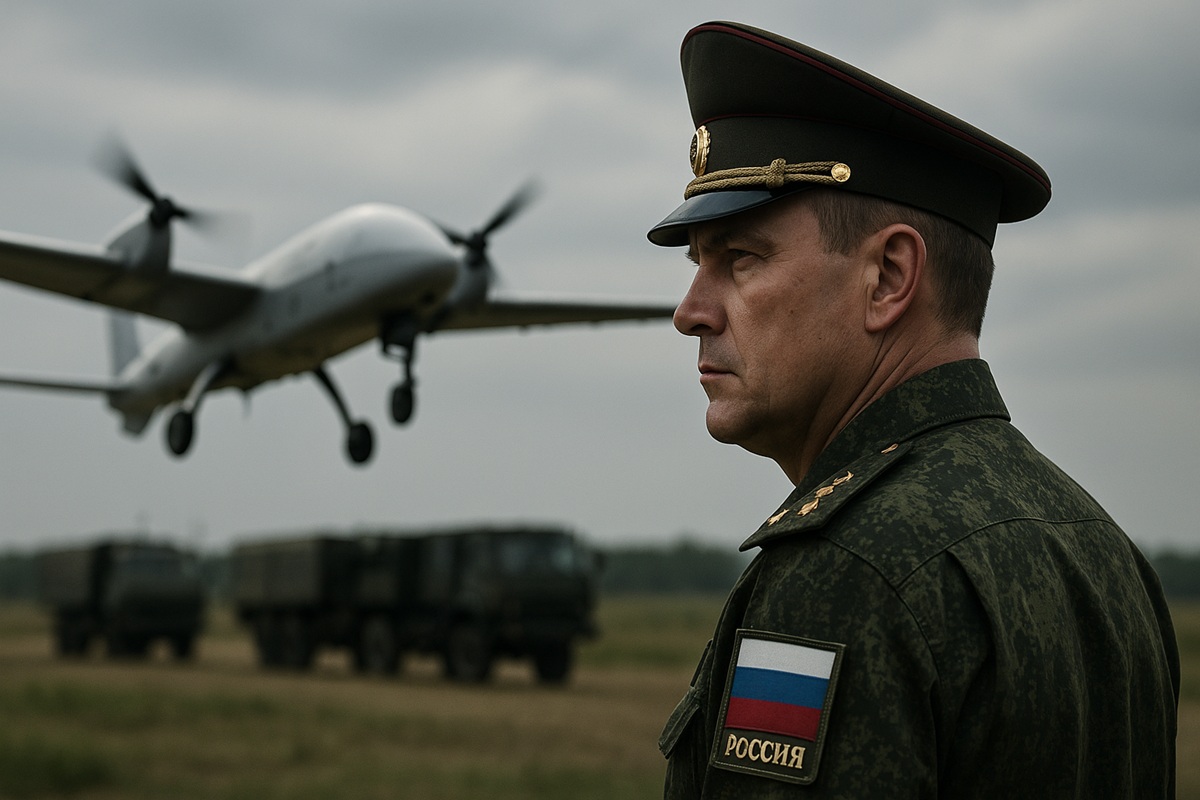
Russia has created an independent military branch for drone operations. It does so at a time when drones shape the war’s rhythm in Ukraine. Moscow’s new Unmanned Systems Forces replace a patchwork of improvised drone units. They now exist as a formal branch with a clear command chain. They also gain dedicated budget lines and an integrated training system.
This decision follows a directive from President Vladimir Putin. He first issued it in late 2024 and repeated it in June 2025. The order called for a separate drone warfare arm. It should be fully organised by the third quarter of 2025. Russian officials now say the branch is staffed and operational. They claim it already works directly with frontline formations.
Single Plan for Unmanned Systems
Deputy chief Lt Col Sergey Ishtuganov states that Russia has established an Independent Military Branch for Drone Ops to consolidate all unmanned activities, ranging from reconnaissance quadcopters to longer-range strike UAVs. Operational regiments and other units have already formed, while staff officers integrate drone missions into combined-arms battle plans rather than treating them as add-ons.
Moreover, the new branch now oversees procurement, doctrinal development, and day-to-day combat tasking. This structure aims to standardise tactics, reduce duplication among different services, and accelerate the process of converting new unmanned systems from prototyping to field use.
Russian doctrine and platforms
For readers tracking Russian doctrines and platforms, Defence News Today’s broader coverage of Russian drone warfare and sanctioned evasion routes offers useful context for how these capabilities evolved before formal institutionalisation.

Command teams sit at every level, from the national headquarters down to battle groups. Therefore, drone operators, engineers, and electronic warfare technicians can work to a single plan, rather than answering to competing chains of command. In theory, these developments should help Russia employ swarms, loitering munitions, and reconnaissance drones in more coherent, large-scale packages.
Building a Drone Workforce
Crucially, Russia establishes an independent military branch for drone operations, prioritising manpower over hardware. Ishtuganov stresses that future specialists are already being trained in government-run military schools and in programs embedded in civilian universities.
New syllabi cover piloting, maintenance, software integration, datalink management, and counter-jamming techniques. In parallel, Moscow plans to open a dedicated drone academy, which would give the Unmanned Systems Forces their own institutional home, similar to air force or artillery academies. This move mirrors the Ukrainian practice of treating drone operators as a distinct cadre rather than as temporary attachments to infantry units.
For defence professionals, the issue matters because trained UAV operators have become valuable assets. Both sides in the war already lose thousands of drones each month, yet they cannot so easily replace experienced controllers and engineers.
Copying Ukraine’s Model in Russian Fashion
Russia’s action is not isolated. Ukraine created its own Unmanned Systems Forces in 2024 and became the first country to assign unmanned warfare the status of a separate branch. Ukrainian innovator Andrii Kovalenko, who heads Kyiv’s Centre for Countering Disinformation, bluntly argues that Russia sets up an independent military branch for drone operations by copying “successful solutions” developed on the Ukrainian side.
He points to Ukraine’s early creation of dedicated strike-UAV companies in 2023, which briefly gave Kyiv a local advantage in tactical drone use. However, Russia still holds several clear advantages in unmanned warfare. It has a larger industrial base and powerful defence conglomerates behind its programmes. It also brings experience integrating AI-enabled targeting and fiberoptic-guided drones into frontline units.
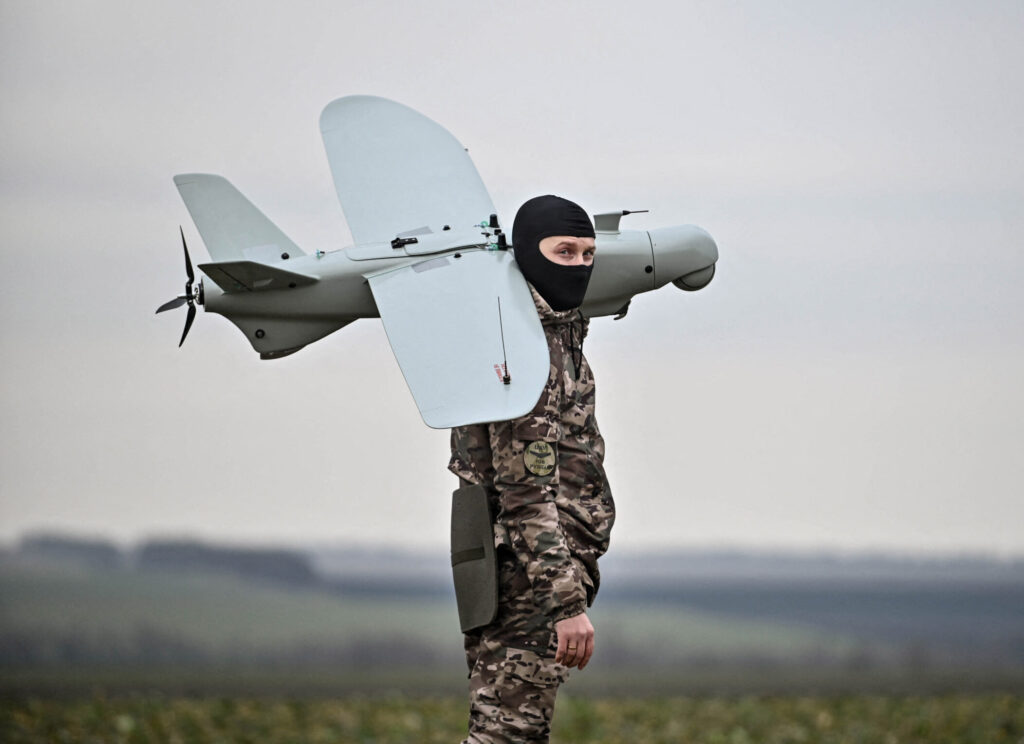
As a result, an institutionalised Unmanned Systems Force could help Moscow scale these innovations far more quickly. It may do so even if many original ideas first appeared on the Ukrainian side. For a wider perspective on how unmanned platforms are reshaping the conflict, readers can turn to Defence News Today. Its drone and counter-drone warfare section tracks Russian and Ukrainian experiments across the air, land, and sea.
Strategic Drone Arms Race
Russia has created a separate military branch for drone operations. It wants a sharper response in the fast-moving drone arms race. The new branch turns scattered efforts into a single structure. It can capture lessons from units like the Rubicon group. These units already mix AI tools, electronic warfare and precision loitering munitions.
Additionally, centralised command prevents the deployment of skilled UAV operators as regular assault infantry. That problem hurt Russian forces earlier in the war. Operators can expect a clearer career path and more specialised equipment. They should also receive stronger technical support at the front. Together, these changes can improve the survivability and effectiveness of Russia’s unmanned fleets.
Conclusion
For Ukraine and its partners, the message is straightforward: unmanned warfare has matured beyond improvisation. Both sides now treat drones as a core combat arm, not a niche capability. The creation of the Unmanned Systems Forces signals that Russia plans to fight long wars with layered, institutionalised drone power rather than relying on volunteer innovation alone.
References
- https://defensenewstoday.info/
- https://defensenewstoday.info/category/drones-counter-drone/
- https://thedefensepost.com/2025/11/17/russia-military-drone-branch/ The Defense Post
- https://kyivindependent.com/russia-establishes-its-unmanned-systems-forces-copying-ukraines-successful-approaches/ The Kyiv Independent
About the Author