Russia Recruits Gamers for Ukraine War via Discord
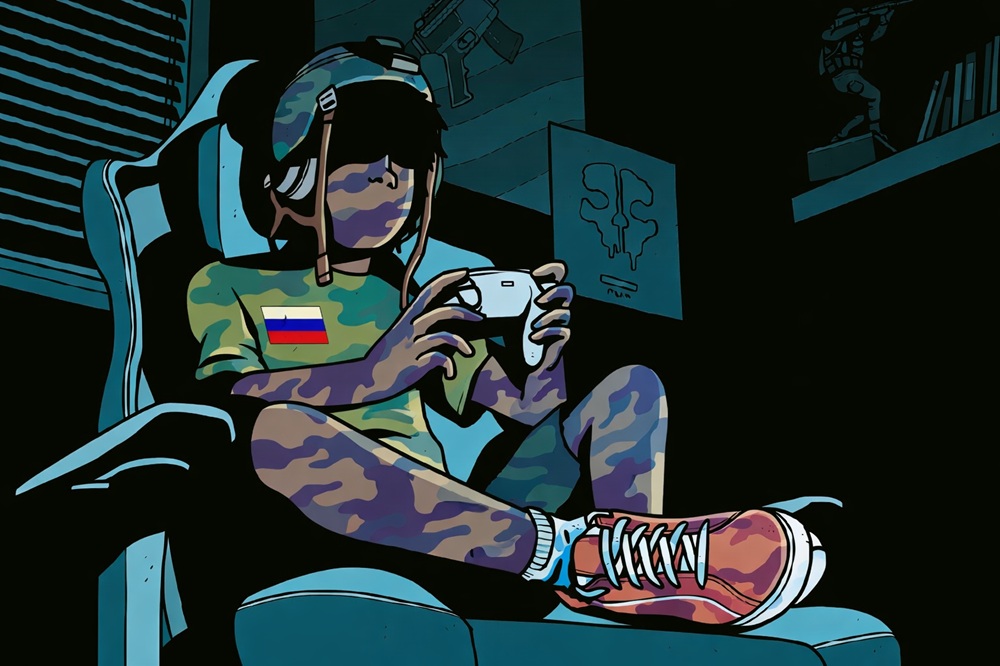
Russia’s war on Ukraine has entered its fifth year, and Moscow keeps widening its recruitment net. Documents reviewed by Bloomberg describe how two young South African men met a recruiter known as “@Dash” while playing Arma 3 and chatting on Discord. After several conversations, they met in Cape Town, visited the Russian consulate, and traveled to Russia on July 29, 2024. Recruiters promised pay, education, and possible Russian citizenship.
Events moved quickly. Within weeks of signing contracts near St. Petersburg, one man died in Ukraine, according to a medical certificate. His contract placed him in a grenade-launcher team as a marksman’s assistant. He last contacted his family on 6 October 2024, and his friend later told them on 17 December 2024 that he had been killed in action. We still don’t know where the other man is.
How Discord Enables Recruitment
Recruiters have used social platforms for years. However, gaming communities offer tighter trust loops. Closed Discord servers let a recruiter build rapport fast, move conversations to private, and target people already comfortable with military themes. It shifts recruitment from public persuasion to quiet selection, where promises feel personal and checks feel optional.
Why Russia Recruits Abroad
Russia has lost hundreds of thousands of fighters since February 2022, according to widespread external assessments. Meanwhile, mobilization carries political risk, and contract incentives keep rising. Consequently, foreign recruits offer a supplement that limits domestic backlash. This logic also fits a grinding battlefield approach. Russia can trade manpower for incremental gains, especially in high-casualty assaults.
Africa’s Exposure to Russia’s Pipeline
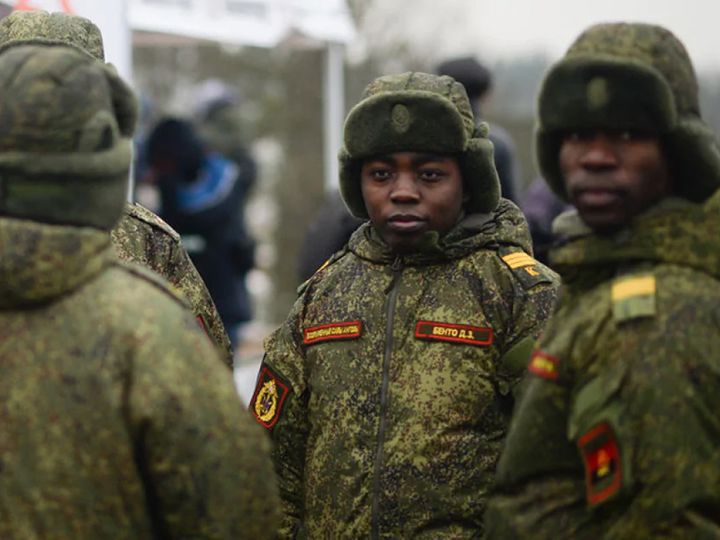
As of November 2024, Kenya’s foreign minister said as many as 200 Kenyans were fighting for Russia. Reports have also pointed to recruiting linked to Botswana, Burkina Faso, and Cameroon. On 7 November 2025, Ukrainian Foreign Minister Andrii Sybiha said 1,426 people from 36 African countries were fighting for Russia and warned the number could be higher. He urged governments to warn citizens and claimed many foreign recruits are pushed into “meat assaults,” where they die quickly. When viewed from this perspective, Russia’s recruitment of gamers for the “meat grinder” war is more than just a headline. It describes a pipeline that trades promises for high-risk infantry labor.
Promises vs Front-Line Reality
Recruitment pitches stress pay, training, and citizenship. Yet the South African case shows how quickly “opportunity” can become frontline exposure. One recruit died soon after contracting, and the other disappeared from reliable contact. Ukrainian officials have also described racist abuse and coercion against some African recruits, backed by circulating videos. One clip reportedly shows a recruit forced at gunpoint to strap a land mine to his chest for a bunker assault. Verification varies, but the structural risk stays consistent: foreigners lack networks, protection, and leverage.
South Africa: Legal Fallout and Zuma Scandal
South Africa has barred citizens from fighting for, or assisting, foreign militaries since 1998. By late 2025, recruitment schemes had become a national scandal. Bloomberg reported on 20 November 2024, linking a daughter of former President Jacob Zuma to the recruitment of 19 men from Botswana and South Africa. According to relatives, the men thought they had enrolled in a bodyguard training course. In WhatsApp messages cited by Bloomberg, one man asked why his phone and bank cards were taken as they prepared to move to a war zone.
She reportedly responded by asserting that they weren’t on the front line, speculating that they might be patrolling, cooking, or cleaning weapons. She also told some recruits she had taken the same “bodyguard’ course and urged them to stay calm. As South African police launched an investigation, she resigned as a member of the National Assembly. Ukraine’s ambassador to South Africa, Olexander Scherba, told The Telegraph that Russia “does not value Africans” and “looks at Africa through imperial eyes,” warning that recruits can become “meat for the meat grinder.” ”.
What to Monitor Next
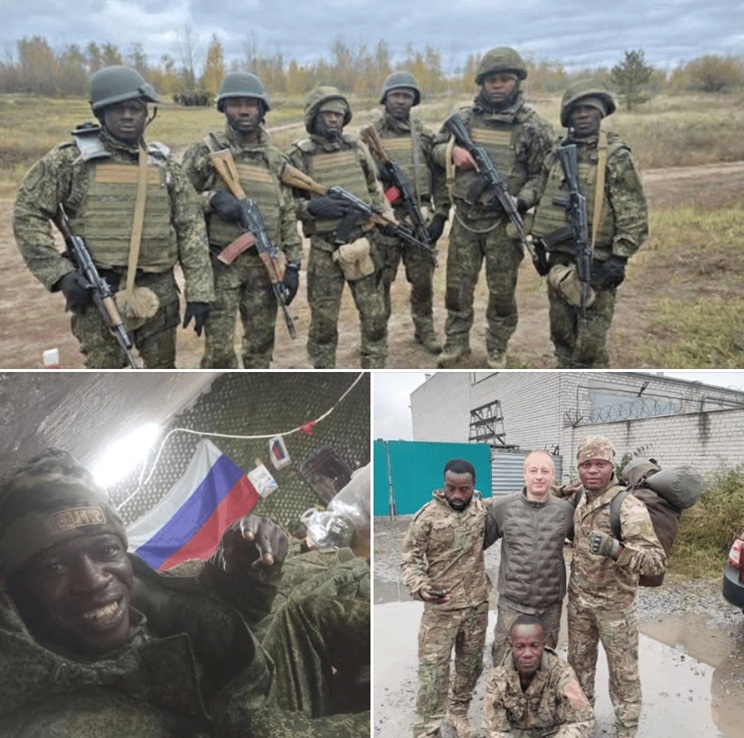
Discord-based outreach shows how recruitment adapts to subcultures that normalize military play. Governments may need clearer public warnings and faster consular guidance. Platforms, meanwhile, face pressure to spot recruiters without sweeping up legitimate communities. Analysts interpret Russia’s recruitment of gamers for the’meat grinder’ war as a scalable model that involves identifying motivated young men online, promising them a future, and swiftly placing them into contracts.
References
- Bloomberg — Russia Recruited South Africans for Its War Using a Gaming App
https://www.bloomberg.com/news/articles/2026-01-07/russia-recruited-south-africans-for-its-war-using-a-gaming-app - Reuters — Ukraine says more than 1,400 Africans from dozens of countries are fighting for Russia
https://www.reuters.com/world/africa/ukraine-says-more-than-1400-africans-dozens-countries-fighting-russia-2025-11-07/ - Reuters — Zuma’s daughter quits South Africa parliament over Russia recruitment allegations
https://www.reuters.com/world/africa/zumas-daughter-quits-south-africa-parliament-over-russia-recruitment-allegations-2025-11-28/ - X (Andrii Sybiha) — Statement on African nationals fighting for Russia
https://x.com/andrii_sybiha/status/1986766466146775425
About the Author