
Russia Puts 13 Managers on Trial Over Defense Orders
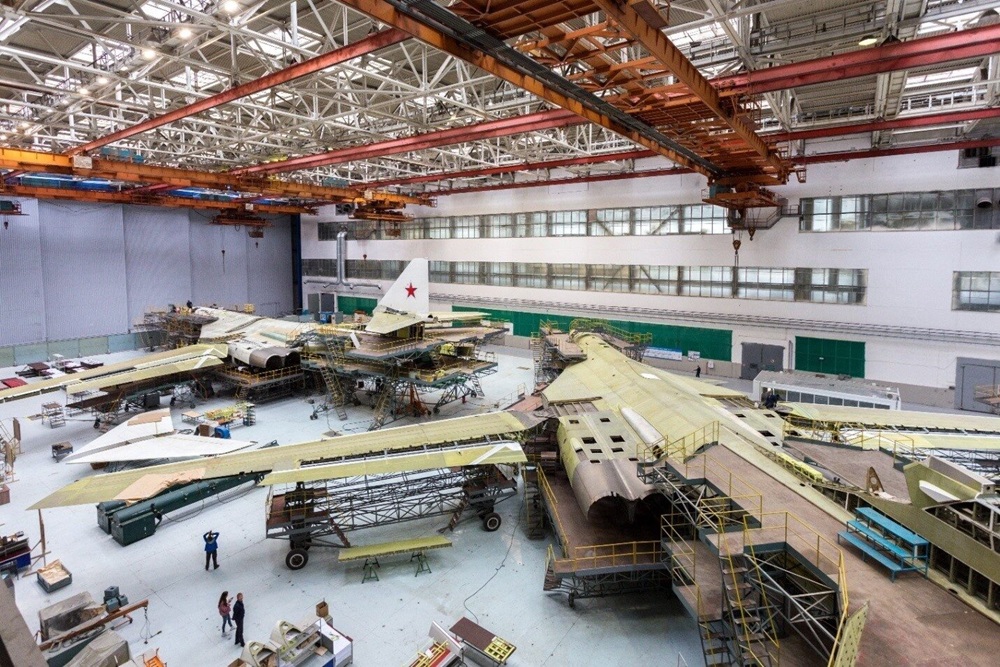
Russia’s wartime production surge has a visible steel-and-smoke headline: more shells, missiles, tanks, and drones rolling off lines since the 2022 invasion of Ukraine. Yet the quieter story sits in courtrooms. Russian defense order disruption trials now involve at least 13 senior figures—11 directors and 2 top managers—accused of failing to deliver on state defense contracts.
The cases matter because they expose a structural dilemma. Moscow wants speed, volume, and predictability. However, many manufacturers say the system punishes delay without fixing the causes—pricing disputes, rigid contracting, and supply-chain stress.
Wartime Enforcement: The Figures
Since the war began, at least 34 people have faced criminal charges for disrupting state defense contracts, according to a report that reviewed court materials. This group includes the 11 company heads and two senior executives now highlighted in the latest wave of trials.
That legal pressure rests on a 2017 law that can send defendants to prison for up to 10 years if they damage a defense contract. In September 2022, Russia expanded the scope of violations. In some cases, prosecutors no longer need to prove “personal gain” to pursue liability—meaning refusal to sign, or failure to perform, can be enough.
Why Moscow Tightens the Screws
Analysts who track Russia’s military-industrial ecosystem argue that inefficiency and corruption still push costs up and delivery schedules out, even as output rises. Meanwhile, they point to decision-making that concentrates inside the Ministry of Defense and the state conglomerate Rostec, plus tighter contractor rules that can restrict modernization and innovation.
Rostec rejects the “degradation” narrative and has dismissed such claims as “propaganda myths.” However, even skeptics acknowledge a fundamental trade-off: while central control can boost productivity in the short run, it can also impede learning cycles, distort pricing, and penalize truthful reporting further up the supply chain.
Medvedev’s Warning to Industry
The Kremlin’s tone hardened early. In March 2023, Dmitry Medvedev—now deputy chair of the Military Industrial Commission—read out a World War II-era Stalin telegram to executives. The message threatened to “crush like a criminal” any manufacturer who missed deliveries.
That historical framing matters. It signals coercion, not partnership. Therefore, managers may prioritize legal self-protection over process improvement—especially when deadlines compress and prices stay fixed.
Volna’s Cash Crunch Under Price Caps
The most dramatic episode involves Volodymyr (Vladimir) Arsenyev, a 75-year-old scientist who led the Moscow-based Central Research Institute Volna. The firm produces components used in communications equipment for tank crews. When Russia’s forces pushed into Ukraine in 2022, Volna received a flood of defense orders and had to scale output quickly.
However, the company faced tight deadlines and prices set by the Russian Ministry of Defense. By spring 2023, Volna had fallen behind schedule. Arsenyev says officials ignored his requests for help. Moreover, he argues that pricing disputes left the firm without operating funds.
A minority shareholder, Serhiy Mosienko, says he saw missed deadlines and reported the situation to authorities. In practice, such escalation can lead to inspections and legal exposure at an unfavorable time for a stressed factory.
A Protest in Red Square
With the business nearing bankruptcy, Arsenyev staged an extreme act to force attention. On 26 July 2024, he went to Red Square near the Kremlin, poured petrol on himself, and set himself alight beside Lenin’s mausoleum. He survived, but he spent weeks in the hospital with severe burns.
His underlying question was brutally simple: how can a firm die while orders grow? In a system that sets prices, enforces deadlines, and criminalizes failure, that paradox becomes more likely—not less.
How One Part Can Halt Tanks
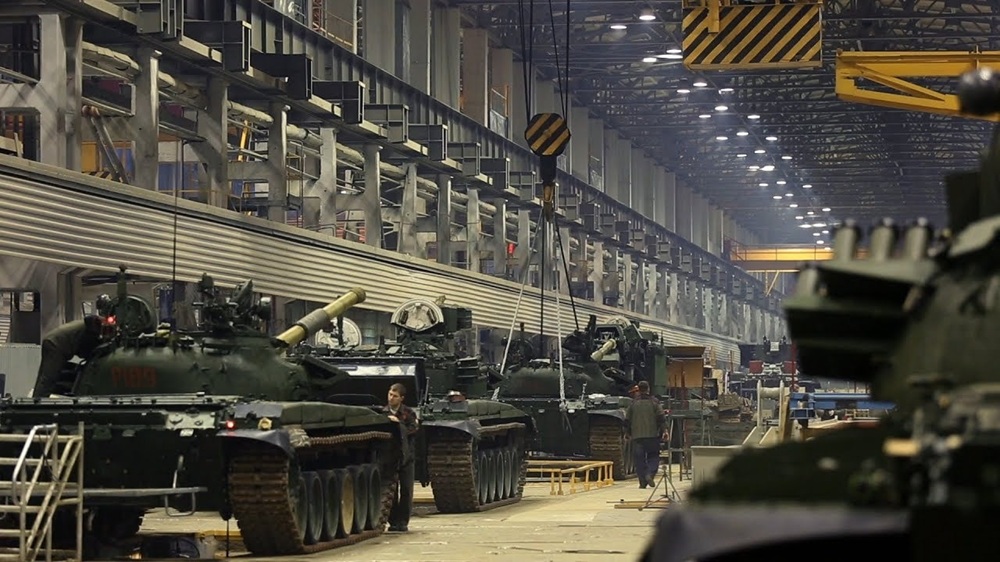
The downstream impact shows up at Luch, an assembly plant that produces communications and intercom systems for armored vehicles. Luch’s 2023 annual report attributed delays in delivery of needed communications equipment partly to Volna’s failure to supply components on time—an assessment Arsenyev disputes.
Then the financial spiral worsened. Volna’s accounts were frozen amid tax non-payment, salaries went unpaid, and lawsuits followed. When bailiffs attempted collections in September 2024, they reportedly found no assets to seize.
To keep tanks fielded, Luch developed and manufactured its replacement version of the Volna components. Yet, as of January 2025, reporting indicated an acute shortage of the relevant products. The detail that should catch technical readers: Luch reportedly stands as the only Russian enterprise producing tank helmet-phones—a niche item, but a mission-critical one for armored crew coordination.
Headline: Drones, Hidden Bottlenecks
Russia continues to publicize new hardware, including cargo-drone projects such as the S-76, presented in May 2025 under Rostec’s umbrella. That visibility can create the impression of seamless momentum.
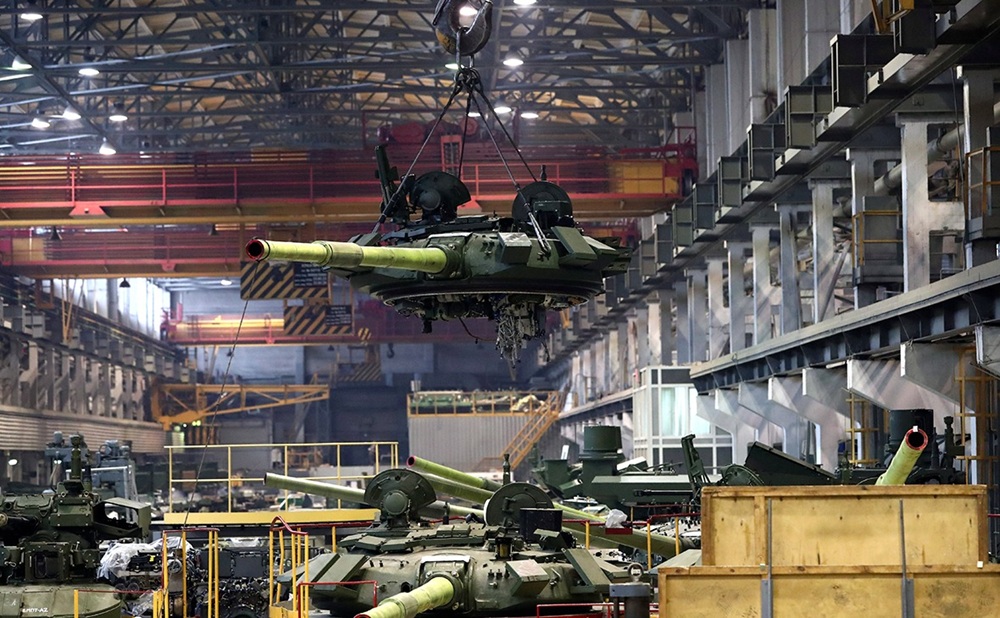
However, war production rarely fails in the glamour platforms first. It fails in the “boring” sub-suppliers: connectors, boards, harnesses, headsets, intercom modules, and test equipment. Consequently, a single distressed institute can ripple into delayed vehicle deliveries, retrofit programs, and battlefield readiness.
Implications for Ukraine and Europe
Here is the strategic takeaway: the court cases probably do not remove Russia’s ability to remain dangerous in the near term. Yet analysts warn that the same pressure-and-control model can erode longer-term competitiveness, especially against adversaries that iterate faster and modernize supply chains more freely.
In other words, Russian trials for disrupting defense orders may look like discipline. They can also function as a signal of a system that struggles to reconcile mass output with sustainable industrial health.
References
- https://www.reuters.com/world/europe/why-boss-russian-defence-factory-set-fire-himself-red-square-2025-12-23/
- https://www.chathamhouse.org/sites/default/files/2025-07/2025-07-21-russia-struggle-modernize-military-industry-boulegue.pdf
- https://www.chathamhouse.org/2025/07/russias-struggle-modernize-its-military-industry
- https://militarnyi.com/en/news/at-least-13-top-managers-of-russian-companies-on-trial-for-disrupting-defense-orders/
About the Author