
Russia–Kenya economic ties–Kenyans to Fight in Ukraine
Russia–Kenya economic ties
Russia–Kenya economic ties are deepening fast, and Kyiv warns this shift is about far more than cargo and contracts. Ukrainian officials argue that Moscow is using new deals with Nairobi to secure a political foothold in East Africa while quietly expanding channels to recruit African nationals for its war in Ukraine. For defence observers, the story is not only about trade; it is about how economic leverage becomes a weapon.
Moscow’s development pitch and hidden strings
Ukraine’s Centre for Countering Disinformation says Russia–Kenya economic ties now track Kenya’s own development priorities. These priorities range from big infrastructure schemes to new logistics corridors across the country. Russian companies now talk about ports, grain deals, fertilisers, and new rail links with Kenya.
However, Ukrainian analysts argue these projects mainly support Moscow’s broader geopolitical strategy. By inserting itself into national plans, the Kremlin nurtures dependency on Russian money, access, and expertise. Over time, that dependency boosts Russian influence at key nodes linking East Africa to wider regional markets.
Leverage over ports, corridors, and markets
As Russia’s and Kenya’s economic ties expand, they increasingly revolve around access to ports in the Indian Ocean and road and rail routes to neighbouring states. In practice, this allows Russian actors to place personnel, front companies, and “commercial missions” close to strategic logistics hubs.
Consequently, Ukrainian intelligence believes these platforms help mask recruitment pipelines and information operations that target young Africans with offers that sound civilian but turn military.
Recruitment under the cover
Deepening Russia–Kenya economic ties gives Moscow plausible cover to approach students, job seekers, and athletes with promises of training, scholarships, and well-paid work. However, reports from Ukrainian services and independent outlets, such as the Kyiv Independent, describe a different reality.
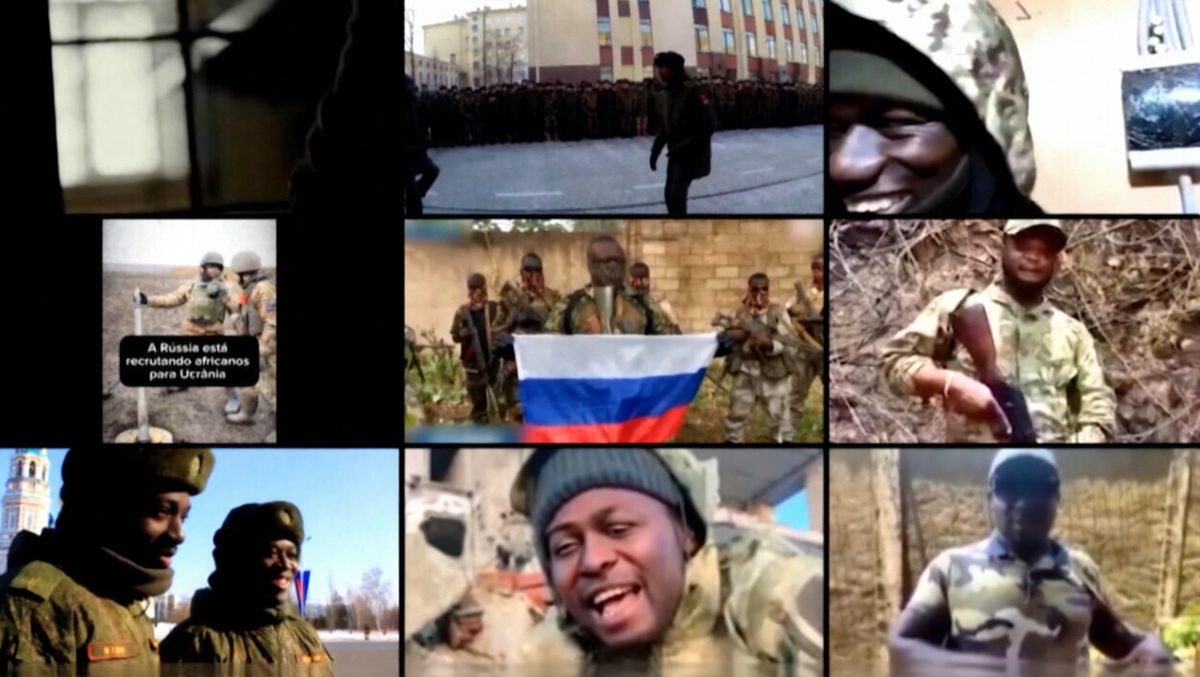
Allegedly, military contracts channel African recruits towards deployments against Ukraine. The case of a Kenyan athlete captured by Ukrainian forces has become a stark warning, as he said he was deceived into signing a Russian army contract.

A wider African pool of foreign fighters
Beyond Kenya, Russia’s wider economic and political networks across Africa now feed a broader pool of foreign fighters. This network sits on top of growing Russia–Kenya economic ties and quietly reinforces them. Ukraine’s foreign ministry says at least 1,436 Africans are now fighting for Russia in Ukraine. Those fighters come from 36 African states, showing how widely Moscow has cast its recruitment net.
According to military analysts, this group represents a significant manpower pool, especially as Moscow attempts to prevent domestic political backlashes from further mobilisation. Foreign volunteers, or those misled into service, reduce pressure on Russia’s own recruitment base.
Trade, churches, and information operations
Russia–Kenya economic ties sit alongside other influence tools, including the expanding presence of the Russian Orthodox Church in Africa. In several states, Moscow uses religious structures, cultural centres, and media platforms to reinforce narratives about Western neocolonism while presenting Russia as a “partner” for “sovereign development.”
According to Ukrainian and Western experts and organisations, such as the Crisis Group, these networks can also support covert outreach to potential recruits and amplify misinformation about the war in Ukraine.
Humanitarian branding and hybrid warfare
People often frame Russia-Kenya economic ties as humanitarian or food security initiatives, especially when it comes to grain exports and fertiliser donations. Yet Ukrainian analysts describe this as a classic hybrid tactic: Moscow offers relief today while building leverage for tomorrow.
When food cargoes, infrastructure support, and training programmes are tied to political loyalty, Russia gains bargaining chips that can be used to secure diplomatic support, silence criticism at the UN, or widen its pool of military manpower.

Kenya’s diplomatic balancing act
For Nairobi, Russia–Kenya economic ties are part of a broader push to diversify its foreign partners. Kenya still wants to keep strong relationships with Western countries and global institutions. President William Ruto has spoken directly with President Volodymyr Zelenskyy about Russian recruitment of Kenyan nationals.
These discussions demonstrate Kenya’s rejection of treating its citizens as disposable fighters. At the same time, Kenya needs continued investment and trade to support a stressed economy. That reality makes any strong, public confrontation with Moscow far more complicated.
Implications for East African security
Russia–Kenya economic ties could reshape security dynamics in East Africa if recruitment networks take root alongside commercial projects. Returning fighters with combat experience from Ukraine could feed militias or criminal networks, while Russian information operations might deepen political polarisation.
Moreover, if Moscow gains durable influence over ports and corridors, it could affect Western naval and logistics planning in the Western Indian Ocean and the Red Sea approaches, altering how external powers project force and secure sea lines of communication.
How partners can respond
Regional and international partners must treat Russia–Kenya economic ties as a security issue as well as a development story. Greater transparency in infrastructure and defence-related projects, strict oversight by recruitment agencies, and public awareness campaigns can all help limit exploitation.
Ultimately, Russia–Kenya economic ties show how twenty-first-century warfare stretches far beyond the front line. Contracts, shipments, and cultural visits may look harmless on paper. Yet each can be turned into a tool for war. They help move people, money, and influence toward Moscow’s campaign in Ukraine. For defence planners, tracking these links is now essential to comprehending the global battlefield.
References
- https://defensenewstoday.info/geopolitics/russia-africa-foreign-fighters/
- https://defensenewstoday.info/africa/kenya-defence-diplomacy-briefing/
- https://www.kyivindependent.com/
- https://www.crisisgroup.org/
About the Author