Russia Eyes Alaska as State Marks 158 Years
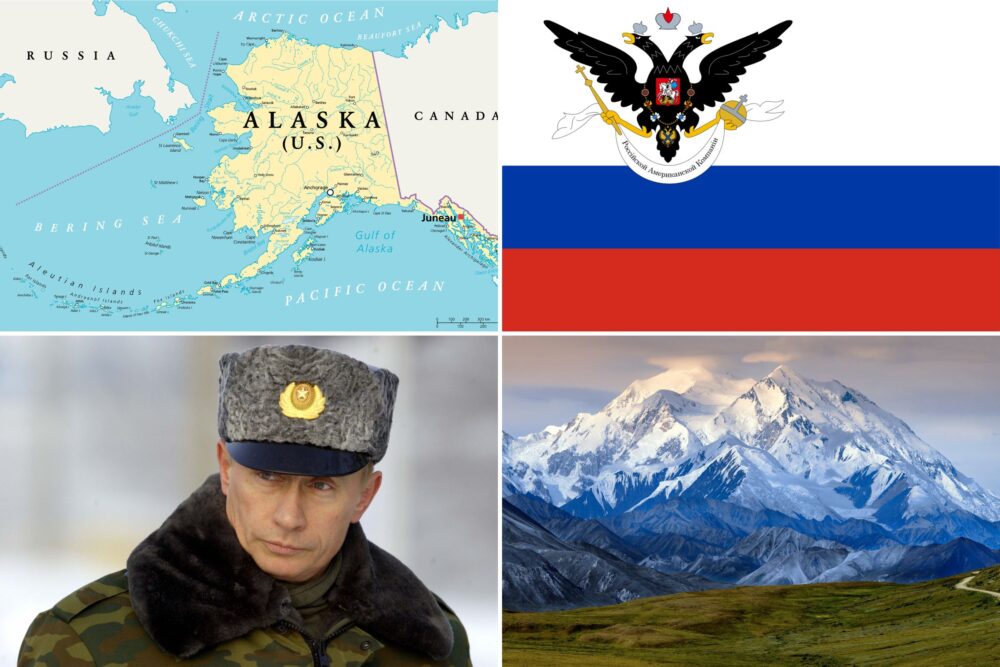
On October 19, 2025, Alaskans celebrated the 158th anniversary of Alaska’s historic transfer from Russia to the United States. They did so to honor their heritage and the symbolic transfer of power over this large and resource-rich area. The Alaskan community honors its history with pride. However, recent Russian comments have sparked fresh debate. Some Russian officials and commentators have suggested renewed interest in Alaska. Military experts and international analysts are now watching the issue closely. Alaska Day celebrations have added more attention to the debate. Russia’s aggressive language has raised concerns about future tensions. The phrase “unavoidable war” now appears in some discussions. This concern stems from the complex U.S.-Russian history over Alaska.
The Historic Transfer of Alaska
“War That Can’t Be Avoided?” is a feeling that runs through Alaska Day. Alaska Day is celebrated every October to remember the day in 1867 when the U.S. raised its flag over Fort Sitka, ending Russian control and starting a new chapter for the territory.
This year’s reenactment brought thousands of people to Sitka. It included marching troops and lowering the Russian flag, which was then raised again with the American flag. Hal Spackman, the executive director of the Sitka Historical Society, says that the celebrations show how strong and proud the community is. “Alaska Day is a celebration of the state’s diverse people and rich history,” he said. has been an official state holiday since 1917.
Alaska is important to the US for more than just its history. Governor Mike Dunleavy says that the area’s resources, landscapes, and strategic value show that it is an important part of the country. “War That Can’t Be Avoided? The name of the article is “Unavoidable War?” The article reminds us that Alaska Day has taken on new meaning because of all the talk about Russia’s claims.
Russia’s Expansionist Ambitions
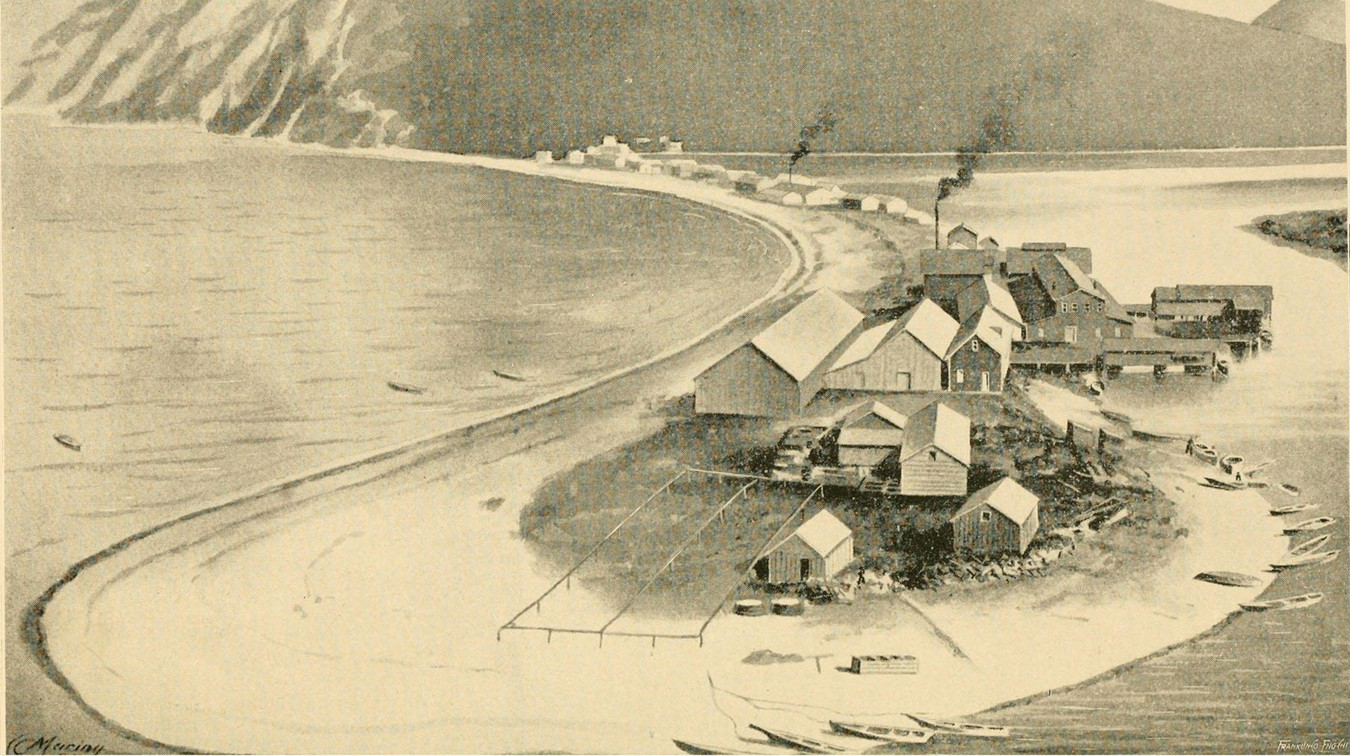
Russia’s conquests reached the shores of Alaska long before the transfer. Russia expanded eastward in the 16th and 17th centuries for economic and strategic reasons. It took over land from the Khanate of Sibir to the Pacific Ocean. The vast land in Alaska was first appealing because it had many resources, especially fur. In 1741, Russian explorer Vitus Bering saw Mt. Saint Elias near what is now Yakutat. This was the first time Russia showed interest in North America.
But because Alaska is so far away and has a challenging climate, it was difficult for Russia to settle there in large numbers. The population in the area never went above 800. In the end, these problems made Alaska a financial and strategic burden for the empire. The Russian Empire’s Alaskan colony had a challenging time staying alive, even though it tried to trade with Spain and set up a small settlement in California. These issues made the “unavoidable war” question fade into the background for a while as Russia tried to get rid of the land.
The American Acquisition
By the middle of the 1800s, the United States was starting to be interested in Alaska’s resources. The most important phrase is “Is War Unavoidable?” The phrase also shows what America wants. Alaska had natural resources, possible trade routes with Asia, and a way for the US to stop British expansion in Canada. Russia, struggling with its economy and engaged in the Crimean War, agreed to talks. William Seward, the U.S. Secretary of State, bought Alaska for $7.2 million in 1867. Many Americans were skeptical of the deal and called it “Seward’s Folly.”
The purchase would later turn out to be a beneficial move. Alaska’s rich natural resources and strategic location helped the U.S. economy and its power around the world. Alaska became the 49th state in 1959. The gold, oil, and fishing industries thrived, giving Alaska a strong economic base and making it an important U.S. territory. Recent comments from Russia bring to mind the strategic choice Alaskans made 158 years ago.

Russian Rhetoric on Alaska
Recently, Russian officials have said things about Alaska that make it seem like the area will continue to be of interest. President Vladimir Putin signed a decree ordering research into Russian property outside of Russia, including former territories. Some people interpret this move as an implicit claim that the 1867 sale is invalid, even though it doesn’t explicitly mention Alaska. Sergei Mironov, a Russian lawmaker, also hinted that Russia might be able to get back its historical lands.
In the context of “Unavoidable War?” These statements are strong reminders of ongoing tensions. Dmitry Medvedev, the former president of Russia, added to the rumors when he posted on social media about how U.S. Secretary of State William Seward got Alaska in a funny way, saying, “Now war is unavoidable,” with a laughing emoji. Even though he might have been joking, people who take Russian intentions seriously are worried about comments like these, especially since Alaska is still important in today’s global tensions.
Alaska’s Strategic Importance
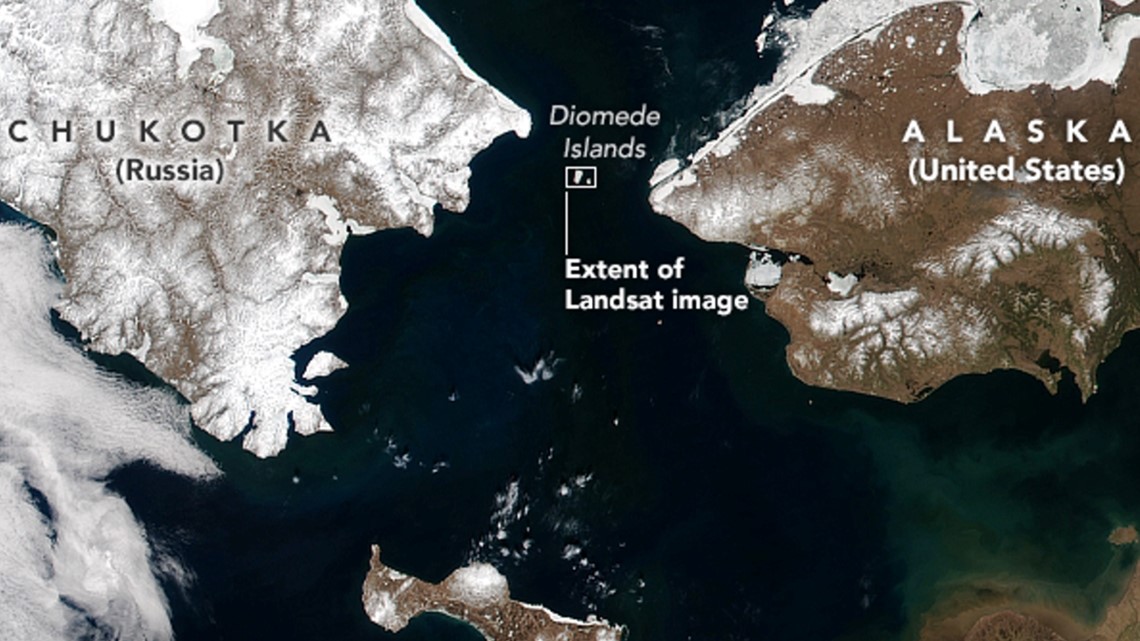
“War That Can’t Be Avoided?” The title of the article talks about Alaska’s current military and economic role. Alaska is now an important U.S. military base because it is close to Russian territory across the Bering Strait. It has important radar systems, missile defenses, and training facilities. The Joint Pacific Alaska Range Complex is an important place for military training and protecting the Arctic because Alaska is close to Russia.
This makes Alaska’s sovereignty more important to the U.S. and strengthens the need to keep its strong defense infrastructure in the area. Alaska’s oil reserves, natural gas, and fisheries are still important to its economy. These resources are crucial for Alaska’s economy and for the United States to secure its energy needs. The state’s strategic location as a gateway to the Arctic, where world powers are fighting for trade routes and resources, makes it even more important right now.
An Unavoidable War
As the U.S. remembers the historic transfer, people wonder if a “Unavoidable War” is on the way. As Russia “eyes” Alaska, one wonders if a new dispute over it could start. But many experts think that the chances of a territorial conflict are still low, even though Russia is talking about it. The 1867 purchase was legal, and Alaska is now a state in the United States. Some Russian officials have talked about Alaska in public, but the Russian government as a whole has not shown any real plans to take it back.
Still, the statements serve as reminders that we need to be careful as Russia, the United States, and other global powers become more interested in the Arctic. Because Alaska is a gateway to the Arctic, problems in this area could have strategic effects, possibly leading to geopolitical competition, but outright war seems unlikely.
Conclusion
“Unavoidable War?” underscores the significant role Alaska has played in American history, from its acquisition to its current military and economic importance. The US’s commitment to Alaska shows its significance. Even though Russian rhetoric has suggested a renewed interest in this area, history and the current state of world politics show that Alaska is still firmly American. As the Alaska Day celebrations conclude, Alaskans continue to honor their history while confidently looking towards the future, secure in their place within the United States.
References
- Spackman, H., Director of the Sitka Historical Society, provided interview excerpts.
- M. Dunleavy, the Governor of Alaska, issued a public statement regarding Alaska Day 2024.
- History.com. “The Alaska Purchase—America’s Largest Land Deal.”
- Smithsonian Institution, Alaska Collections Archive.
About the Author