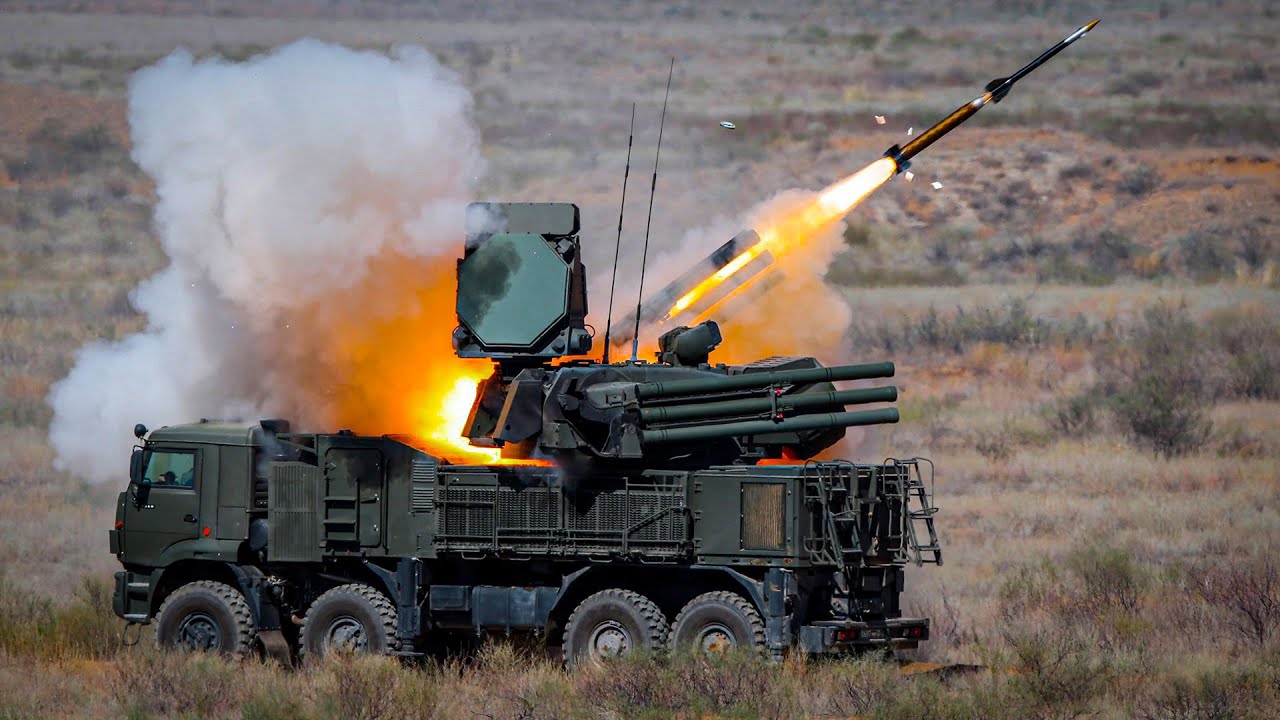
Pantsir-S1 SAM
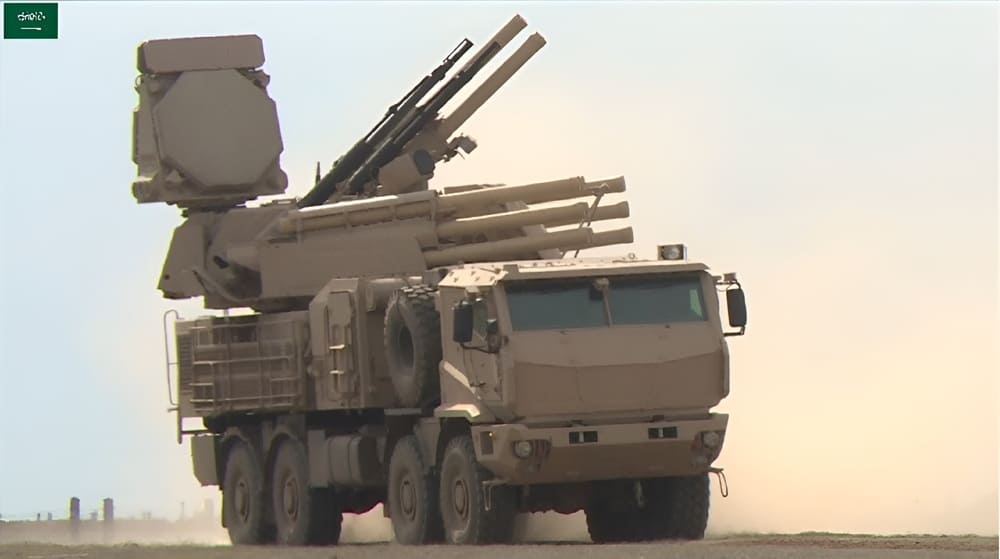
Saudi Arabia signed a big deal with Russia to buy 39 Pantsir-S1M surface-to-air missile systems (SAM). Ten command-and-control vehicles are also part of the deal. These will improve air defense operations. This deal is worth about $2.3 billion and significantly impacts world politics due to the sanctions imposed on Russia because of its war in Ukraine.
Pantsir-S1M Enhanced Features
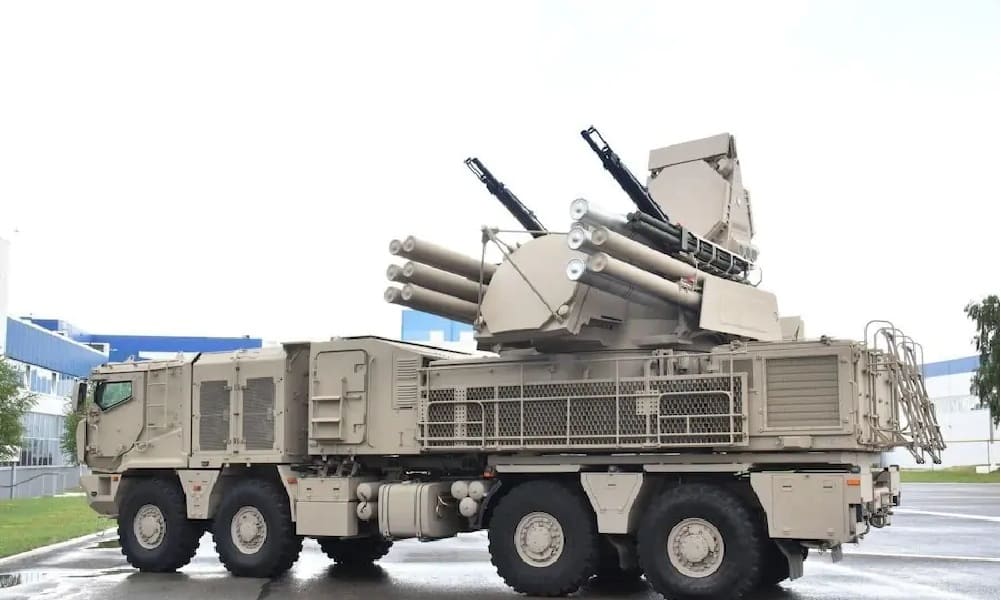
NATO calls the Pantsir-S1M the “SA-22 Greyhound.” It is a newer version of the Pantsir-S1 system. It has important improvements, like 12 missiles of type 57E6-E or 57E6M-E that are ready to fire. The system also has two 30 mm (2A38M) automatic cannons, which make it harder to attack from close range.
The Pantsir S1M has radar and electro-optical systems that can see threats in the air from up to 40 kilometers away and cover all 360 degrees. It can shoot at targets up to 20 kilometers away with missiles and threats up to 4 kilometers away with its cannons. This system is excellent at dealing with low-flying threats like drones, which is a big problem on today’s battlefields.
Why Saudi Arabia Bought It
Saudi Arabia is always under threat from drones and missiles, especially because of the Yemeni conflict and due to the latest US and Iran war. Houthi forces have used advanced drones and missiles to attack Saudi targets many times. The Pantsir-S1M is appealing to Riyadh because it has strong defenses against drones, which is important for improving its air defense against modern threats.
Sanctions and Financial Challenges
The Organized Crime and Corruption Reporting Project (OCCRP) published this deal, which raises questions about how it was done given the strict Western sanctions against Russia. Reports say that intermediaries or complicated financial arrangements may have made this deal possible without directly breaking sanctions or risking secondary sanctions. This case shows how long global arms trading can last, even when there are strict rules.
Impact on the U.S. Defense Industry
Saudi Arabia’s decision to buy Russian systems shows that it has changed the way it buys defense equipment. Before, Riyadh bought many things from American companies like Lockheed Martin, Boeing, and RTX Corporation (formerly Raytheon). This action might mean that Saudi Arabia wants to expand its military options. The Pantsir-S1M may be more cost-effective and better at stopping drones than U.S. systems like the Patriots and THAAD, which are designed for long-range defense.
This trend could force American businesses to quickly come up with new ideas or change their prices and technology to stay competitive. If Saudi Arabia thinks Russian systems are better suited to its needs, losing future contracts could change the way the U.S. and Saudi Arabia work together on defense.
Geopolitical and Strategic Fallout
Adding Russian technology to Saudi military operations could make it harder for the U.S. to work with other countries in the region on defense. Joint operations may be harder for U.S. forces in the area, especially when their main goal is to stop Iran. The deal could bring back up the question of whether the U.S. should support Saudi Arabia militarily in Washington. Some people might see it as proof that the U.S. is losing power in the Gulf.
Regional Defense Strategy Impact
The arms deal could also change how Gulf Cooperation Council (GCC) countries plan their defenses. If the Pantsir-S1M works better than other systems at stopping drone threats, countries nearby, like the UAE, might change their defense priorities. This ripple effect could lead people in the area to purchase a wider variety of defense options.
Economic and Operational Impact
This deal could mean that Saudi Arabia is changing its strategy to combine Western and Eastern defense technologies. More interest in Russian systems could change the way the U.S. and Saudi Arabia do business with each other, especially in the defense sector. It may also be necessary to change how Saudi soldiers are trained to use Russian systems. Saudi Arabia might need help from Russian advisers with operation, maintenance, and system integration.
A Wider Trend in Middle East Arms Deals?
Experts are unsure if this deal is part of a larger trend in the region to use more than one defense supplier. Russia appeals to buyers who want systems that work well but aren’t too expensive. That appeal stays strong because Moscow still sells advanced platforms like the Pantsir-S1M, even though it is under sanctions.
Conclusion
Saudi Arabia’s purchase of 39 Pantsir-S1M SAM systems is a big change in the way arms are traded around the world and how defense is handled in the region. Saudi Arabia’s improved air defense capabilities have a significant impact on politics, the economy, and strategy. This deal shows how military procurement is changing as countries face more and more difficult problems in meeting their defense needs.
References
- https://defencesecurityasia.com/en/saudi-arabia-reportedly-acquires-39-russian-pantsir-s1m-air-defense-systems-in-secret-deal/
- https://turdef.com/article/saudi-arabia-buys-weapon-from-sanction-imposed-russia
- https://theins.press/en/news/278199
- https://defensemirror.com/news/38697/Saudi_Arabia_Orders_39_Russian_Pantsir_S1_Air_Defense_Systems_Worth__2_2B_Unconfirmed_Reports
About the Author