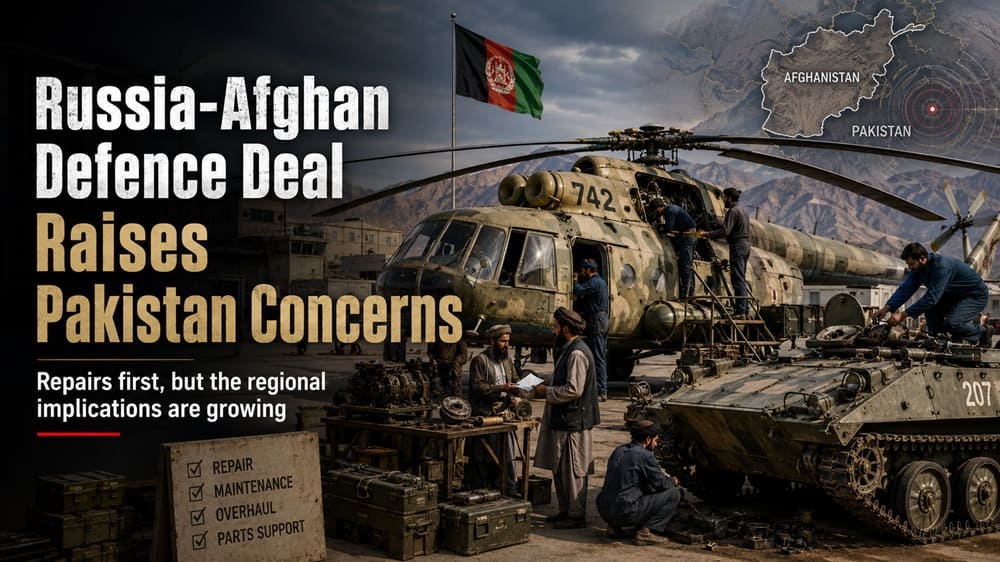
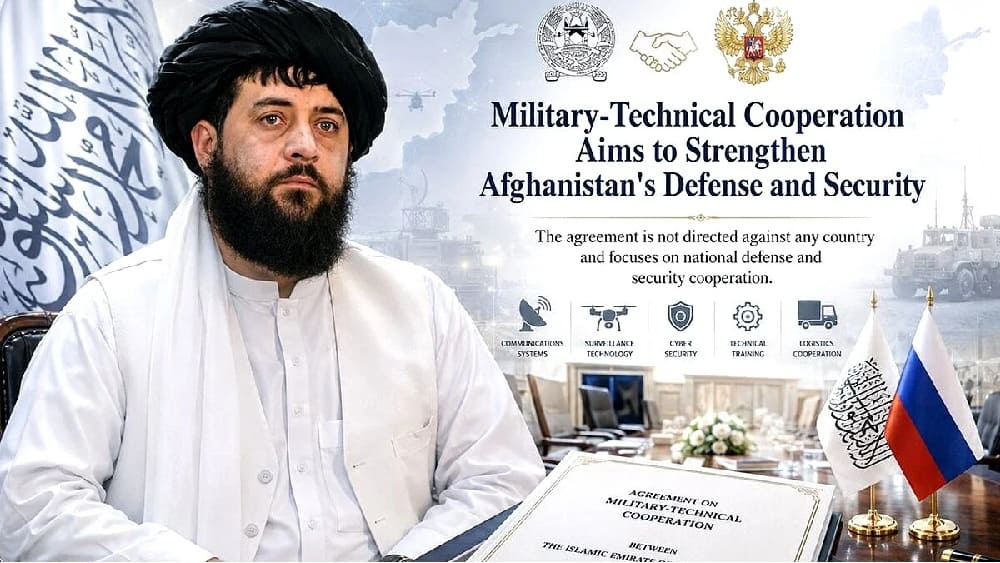
The Russia-Afghanistan military deal looks modest on paper, but it has significant strategic implications. Moscow and Kabul have characterised the agreement as a military-technical cooperation document, but Russia’s special envoy for Afghanistan, Zamir Kabulov, has made its first priority clear: repair and restoration.
Afghan authorities are eager to bring back into service Russian and Soviet-made military equipment, Kabulov said. That focus is critical, because Afghanistan still maintains legacy platforms, weapons, vehicles, aircraft and support systems tied to Soviet and Russian supply chains. So, without technical access, spare parts and maintenance expertise, Kabul is unable to fully revive these assets.
Repairs First, Arms Later
The Russia-Afghanistan military agreement provides both sides with a useful point of departure. Moscow can start with maintenance, repair and overhaul work rather than immediately announce new arms transfers. Technical cooperation reduces political risk and builds confidence.
Kabul also has a quicker path toward improved readiness. Many older systems are not worth much because operators have no spares, trained technicians, documentation and depot-level repair support. But even a handful of platforms brought back by Russia could enable Afghanistan to boost mobility, border security and internal defense operations without purchasing entirely new systems.
Path to Future Deals
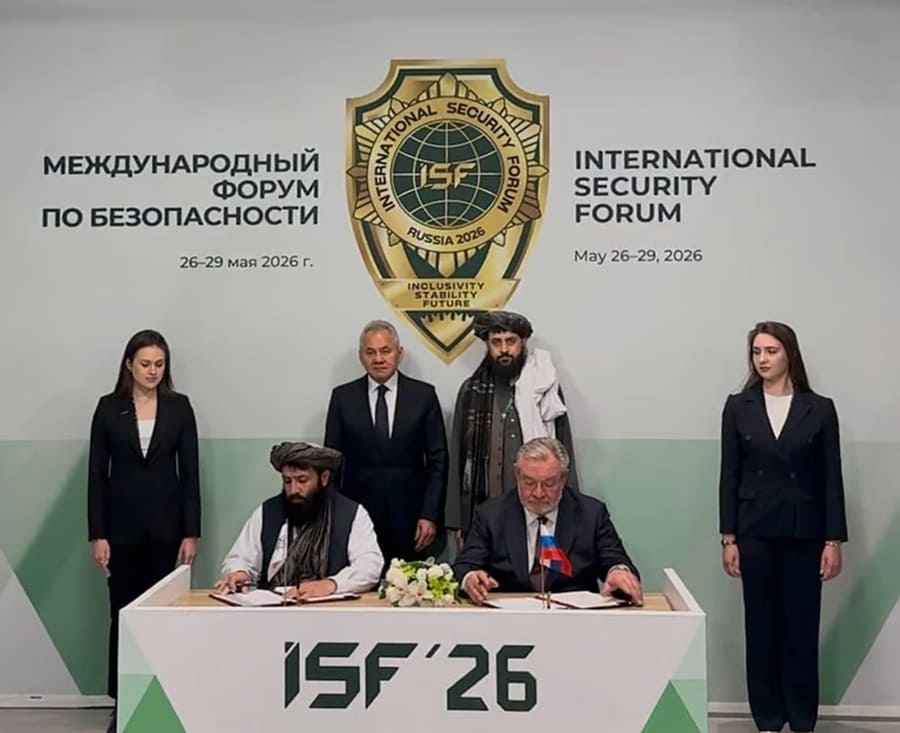
The document was a framework agreement, said Kabulov. That phrasing is important. It means the deal creates a legal base for future contracts, including possible supplies of other military systems. It shows how Moscow often builds influence through sustainment before major exports to defense planners.
First, it fixes existing hardware. Then it trains personnel and creates dependency on parts, diagnostics, upgrades and follow-on contracts. So, the Russia-Afghanistan military agreement could be more than a repair package if political conditions are conducive.
India-Russia Factor in Afghan Rearmament
Many regional experts initially believed that Russia could supply surface-to-air missiles and anti-tank guided missiles to the Taliban as part of a broader military-technical cooperation with Kabul. Such a step would be a concern to Pakistan, as better Afghan air defense and anti-armour capability could complicate border security, counter-terrorism operations and crisis management.
However, there might be a bigger, indirect problem. With India forging warmer ties with the Taliban-led regime, it could quietly explore defense outreach with systems such as Pinaka rockets or Akash missiles. Even small overtures would constitute a new regional realignment aimed at containing Pakistan and changing the strategic military options open to Afghanistan in the long run.
Russia-Afghan Security Ties
The deal is also a part of a wider diplomatic trend. Russia in April 2025 removed the Taliban from its banned terrorist list. Then, on July 3, 2025, Moscow officially recognised the government of Afghanistan led by the Islamic Emirate. As a result, this military-technical agreement now has a defense-industrial dimension that reflects the political shift.
But Moscow is likely to proceed cautiously. The war in Ukraine, sanctions, and domestic industrial demand continue to stretch Russia. So Afghanistan is not likely to get major new systems anytime soon. You can still see the impact of repairs at a lower cost.
Defense Assessment
“The size of the deal at this point is not the most important thing. Instead, it is the direction of travel. Now Russia has a formal channel to support Afghan military equipment of Soviet and Russian origin. Kabul gets technical access; Moscow gets leverage in a country sitting between Central Asia, Iran, Pakistan and China.
Regional watchers will look for spare parts deliveries, Russian technical teams, Afghan depot activity, helicopter restoration, and any future contracts for air defense, armoured vehicles, artillery, or communications systems. If those areas grow, this agreement will be the beginning of a much deeper Russia-Afghanistan defense relationship.
References
- https://www.rferl.org/a/russia-taliban-afghanistan-military-agreement-shoigu-yaqub/33767652.html
- https://apnews.com/article/3932240270463715f0338c0812cbe5a8
- https://www.afintl.com/en/202606013388
- https://www.gettyimages.nl/fotos/zamir-kabulov
- https://www.aljazeera.com/news/2025/4/17/russia-suspends-ban-on-taliban
About the Author