


RF-4C Interception 1973 — When a MiG-21 Chose to Ram
By the early Cold War, Moscow treated its skies like sovereign terrain, not space. The Soviet Air Defence Force (PVO) built layered radar coverage, interceptor regiments, and surface-to-air missile belts to stop intruders before they reached strategic targets. As a result, by the early 1960s the USSR had hardened much of its airspace into a hostile environment for reconnaissance flights, even if the periphery still offered gaps to exploit. However, intelligence work rarely stops because the risk rises. Instead, it shifts location, timing, and methods. That logic sits at the center of RF-4C interception 1973, an episode that mixed geopolitics, deniable partnerships, and split-second airmanship.
PVO: Turning Airspace into a Weapon
The PVO’s value was not one “wonder system.” It was integration. Radar cueing fed ground controllers. Controllers funnelled fighters into intercept geometry. Missile sites created additional no-go rings that forced intruders low, fast, or both—exactly the regime that increases pilot workload and compresses reaction time. Moreover, the Soviet approach leaned on discipline and procedures. Crews trained for rapid scrambles and strict radio control. That culture mattered when an unknown track appeared near sensitive installations, because the system could escalate from detection to engagement quickly.
Shah-era Iran: Covert Cooperation
Under Shah Mohammad Reza Pahlavi, Iran aligned closely with the United States on security and intelligence. In that environment, Washington could use Iranian geography for collection while keeping political fingerprints faint. Multiple open-source accounts of the broader effort often associated with Project Dark Gene indicate that Iranian participation also supported the “plausible deniability” layer: Iranian crews flew, while US support remained in the background or in the second seat. That context frames the RF-4C interception of 1973 as more than a one-off dogfight. It was a by-product of a system designed to push boundaries while managing attribution.
1968: RF-5A Border Probes
Open-source histories of Soviet air defense and related reconnaissance operations describe clandestine Iranian RF-5A flights, beginning in 1968, aimed at gathering intelligence while avoiding Soviet interceptors. While the details of the accounts vary, a consistent theme emerges: the flights exploited their close proximity to Soviet border regions, testing what the PVO would overlook and how it would respond. Importantly, these missions did not require deep penetration to be valuable. Even brief entries could prompt Soviet radar emissions, interception tactics, and communications patterns—data as useful as photography.
Phantom Era Begins (1971)
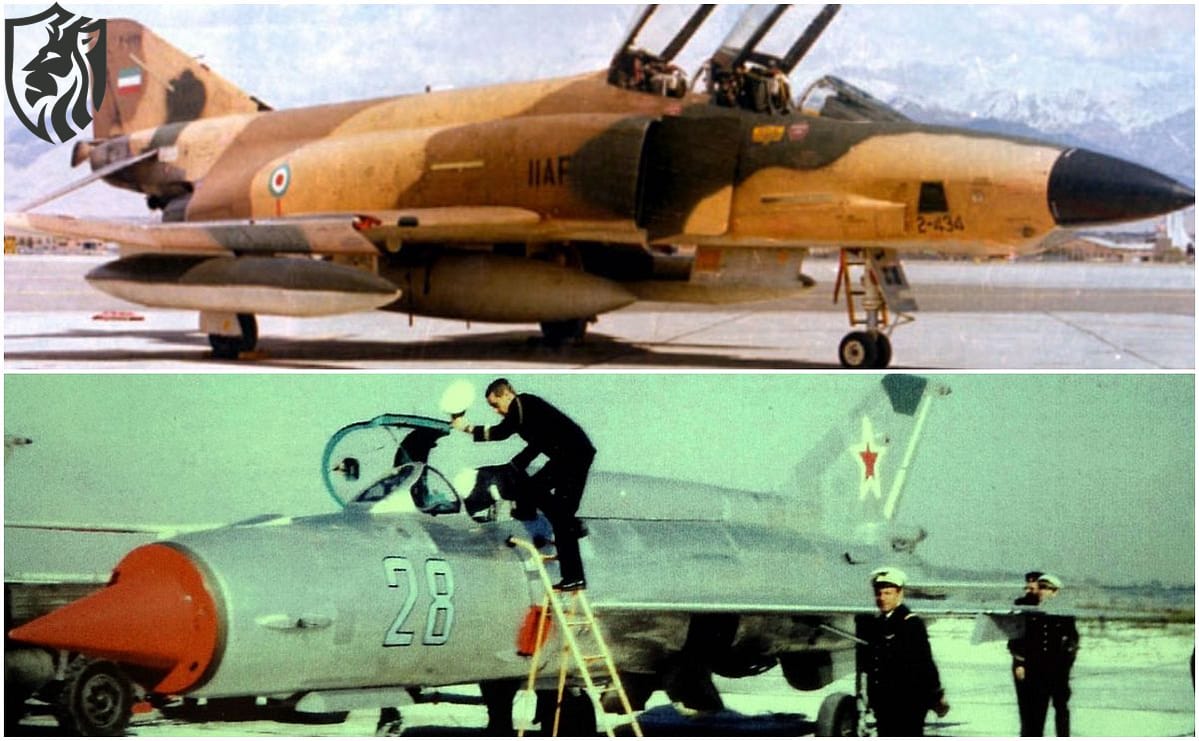
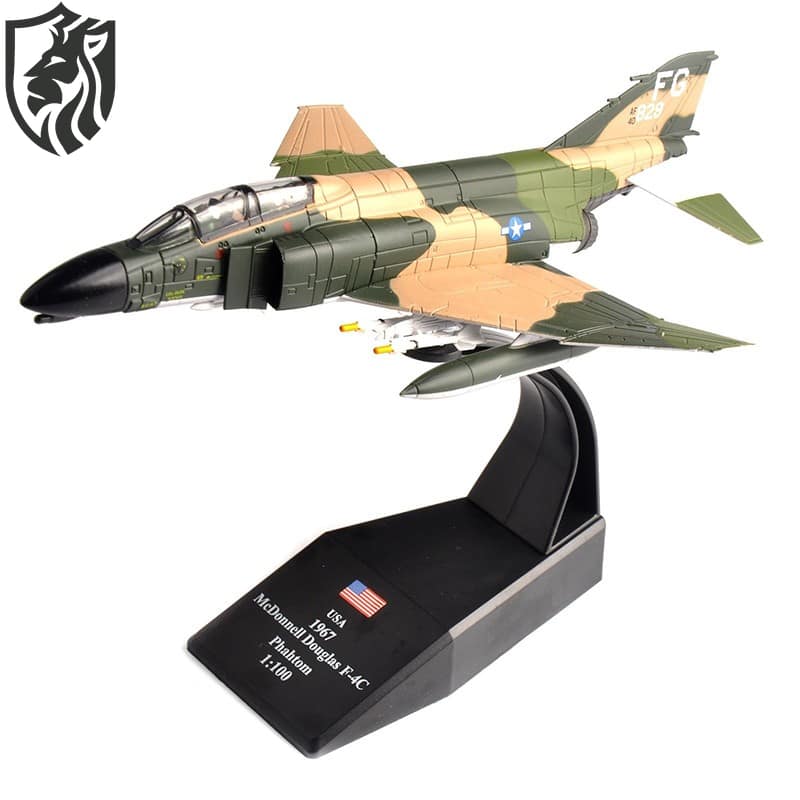
In 1971, reporting tied to these operations notes an expansion using RF-4 Phantom reconnaissance variants, including aircraft loaned to Iran and training support to prepare crews for more demanding sorties. The Phantom’s sensor capacity exceeded the RF-5A’s, and its performance gave crews more tactical options. Yet, those advantages also tempted planners into riskier profiles against higher-value targets. This situation is where the RF-4C interception of 1973 becomes almost inevitable. As sensor ambition grows, flight plans drift closer to defended nodes. Eventually, one track appears on the incorrect radar scope at a critical moment.
RF-4C Intercept, 1973
On 28 November 1973, Soviet radar detected an RF-4C reconnaissance jet operating in Soviet airspace, with IIAF Major Shokouhnia in front and USAF Colonel John Saunders in the rear seat, according to multiple open-source summaries of the incident. The Soviet response came fast. Captain Gennady Eliseev, flying a MiG-21SM from the 982nd Fighter Aviation Regiment, intercepted the Phantom. The engagement then turned into a high-speed pursuit that highlighted a harsh truth about air defense: even “simple” interceptors can become lethal when ground control keeps them in the fight.
Weapons Fail, Orders Escalate
Eliseev fired two R-3S (K-13) infrared missiles. Both missed after the RF-4C crew forced rigorous maneuvers. Then the MiG’s cannon reportedly jammed, leaving Eliseev with no reliable weapon at close range. At that point, Soviet ground control reportedly issued an extreme instruction: stop the intruder “at any cost.” Therefore, with missiles spent and the gun unusable, Eliseev moved to the last option—physical contact. In the RF-4C interception of 1973, that decision remains the defining moment because it shows the system’s enforcement mindset, not just the pilot’s courage.
Ramming the Phantom
Soviet MiG-21 pilot Eliseev struck the Phantom’s tail area with his MiG-21, crippling the RF-4C. Shokouhnia and Saunders ejected and survived the descent, after which Soviet forces captured them on the ground. However, Eliseev did not survive; the collision destroyed his MiG-21 as well. Soviet authorities later honored Eliseev posthumously. Open-source accounts place the award for Hero of the Soviet Union on December 14, 1973.
“Navigation Error” and a Deal
After capture, the crew reportedly claimed they had crossed the border by mistake during a training flight. With the aircraft wreckage heavily damaged, the Soviets lacked an easy public “smoking gun” to prove intent in open diplomatic channels. Then events offered a cleaner off-ramp. Reporting tied to the story describes a Soviet reconnaissance satellite that landed in Iran near Abadan, after which both sides arranged an exchange: the capsule’s film for the captured aviators. Whether every detail appears identically in each account, the outline remains consistent—both states wanted to reduce escalation and close the file.
What Analysts Still Learn
The RF-4C interception of 1973 isn’t only a dramatic tale. It also exposes practical lessons that still apply:
- Integrated control beats raw performance. Even when an intruder flies fast and low, coordinated radar-control-interceptor loops can keep pressure on the target.
- Rules of engagement shape outcomes. A system that prizes sovereignty enforcement can drive escalation options that look irrational from outside—yet consistent inside the doctrine.
- Plausible deniability has limits. Mixed crews and carefully framed cover stories reduce political exposure, but they do not reduce radar lock-on probability.
- Hardware failures can decide history. Two missed missiles plus a jammed gun turned a normal intercept into a fatal collision.
Bottom line
The Soviet Union made significant investments to make airspace violations costly, as the RF-4C interception in 1973 brutally demonstrated. Iran and the United States leveraged geography, sensors, and deniable partnerships to gather intelligence, yet one mission still ended in capture and death. In the end, the most modern equipment mattered less than integration, decisions under pressure, and the political need to step back from the brink.
References
- https://en.wikipedia.org/wiki/Project_Dark_Gene
- https://www.casematepublishers.com/9781804510278/defending-rodinu/
- https://theaviationgeekclub.com/the-story-of-the-soviet-mig-21-pilot-that-rammed-an-iranian-rf-4c-with-mixed-usaf-iiaf-crew-flying-a-clandestine-operation-inside-the-ussr/
- https://www.trenchart.us/p/flying-together-in-rf-4-recon-jets
About the Author