Rafale Code Denial Tests India’s Airpower Sovereignty
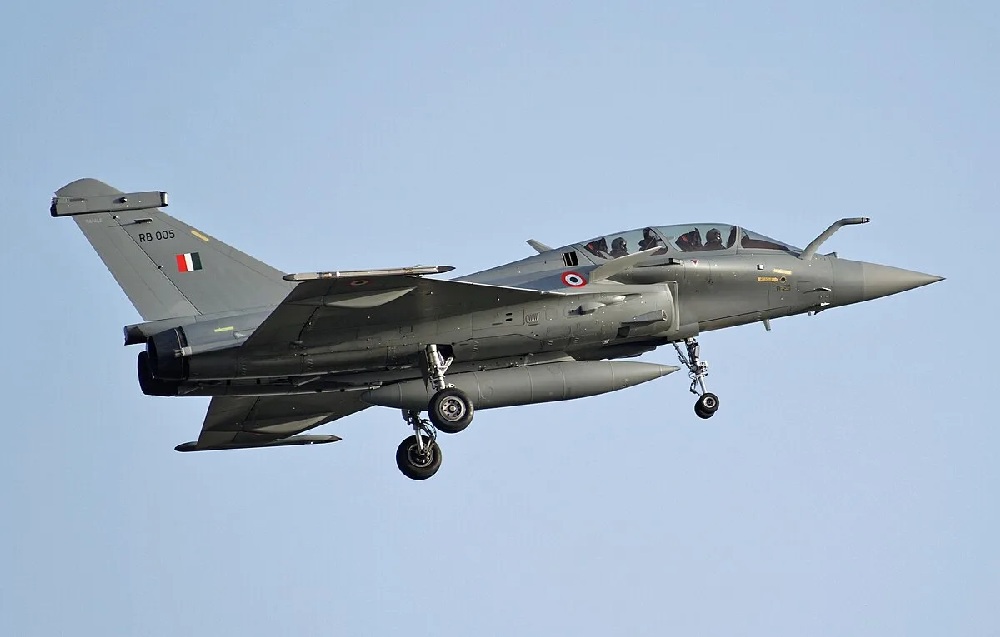
A fighter competition has become a sovereignty debate due to the denial of the Rafale source code. The problem appears to be technical on paper. In practice, it extends to warfighting autonomy, strategy, and procurement. France will not have access to the most sensitive software layers that underlie the Rafale’s primary combat systems, according to reports related to the ongoing Indian discussion. This distinction is important because code is just as important to modern fighters as hardware.
The disagreement is about three main systems. The Modular Data Processing Unit, the SPECTRA electronic warfare suite, and the Thales RBE2 AESA radar are all examples. According to Dassault’s own information, the RBE2 AESA is an important sensor. It also shows SPECTRA as the system that finds and stops enemy lasers, missiles, and radars. India gets the planes if foreign powers keep control of these software layers. But it wouldn’t be able to fully control how its combat systems would develop in the future.
Source code denial for the Rafale has been so prevalent in New Delhi because of this. Source code control impacts more than just maintenance. It determines who has the authority to certify new weapon interfaces, modify mission logic, improve threat libraries, and change radar behavior. Sovereign use becomes conditional rather than complete if each significant modification requires approval from the original manufacturer.
Why Source Code Matters More
Many fighter deals promise to transfer technology, build things locally, or give the other side something in return. But those promises don’t always go all the way down to the deepest layers of software. India can build things, keep fleets running, and even move some production work to other countries, but it still needs approval from other countries for the most sensitive changes. Dassault and Tata Advanced Systems signed a deal in June 2025 that shows that Rafale industrial work is really happening in India and growing. Even so, making fuselages is not the same as having control over software.
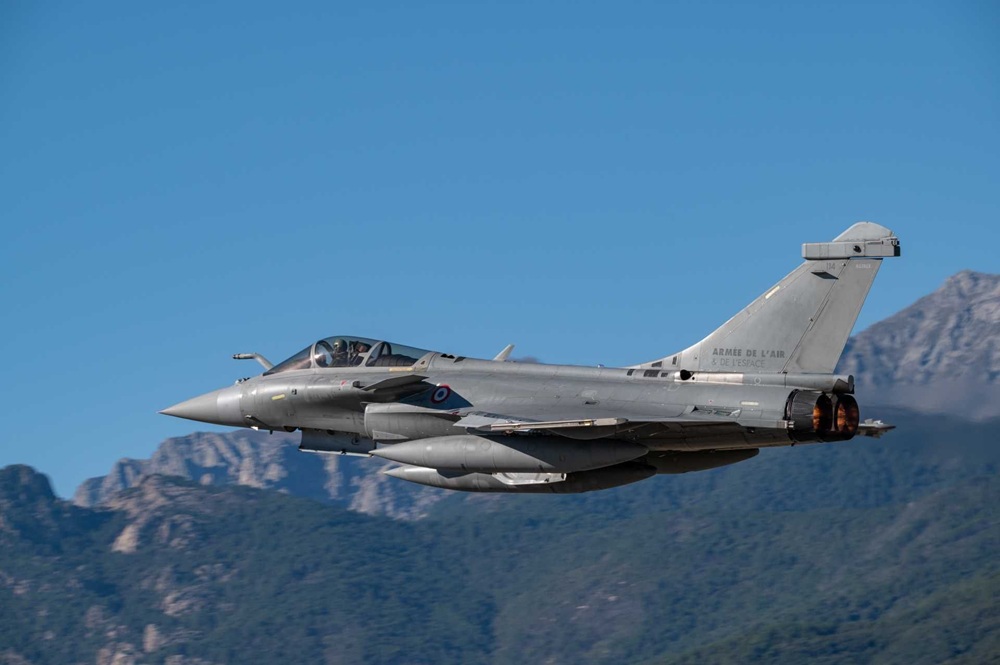
Dassault designed the Rafale to remain useful through constant changes. According to French manufacturer Dassault, the aircraft is improving with every new standard. Dassault Aviation has already implemented the F4 standard and anticipates adding more functions over the next ten years. The jet is still appealing because it keeps changing. But it also brings up the current worry. The platform’s future value lies in software-driven upgrades, sensor fusion, and electronic warfare performance. If India can’t shape those layers on its own, it might be able to fly a massive plane within limits set by someone else.
India’s operational problem is simple to fix. The air force needs fighters right away, but it also needs freedom later. The MRFA contest reports indicate a need for up to 114 planes, potentially costing nearly US$36 billion. A deal of that size does more than just fill in gaps in the squadron. It sets patterns of dependence for decades. When a fleet becomes big enough, every software limitation affects maintenance, weapons integration, training, upgrades, and combat doctrine in a bigger way.
MRFA as a Sovereignty Test
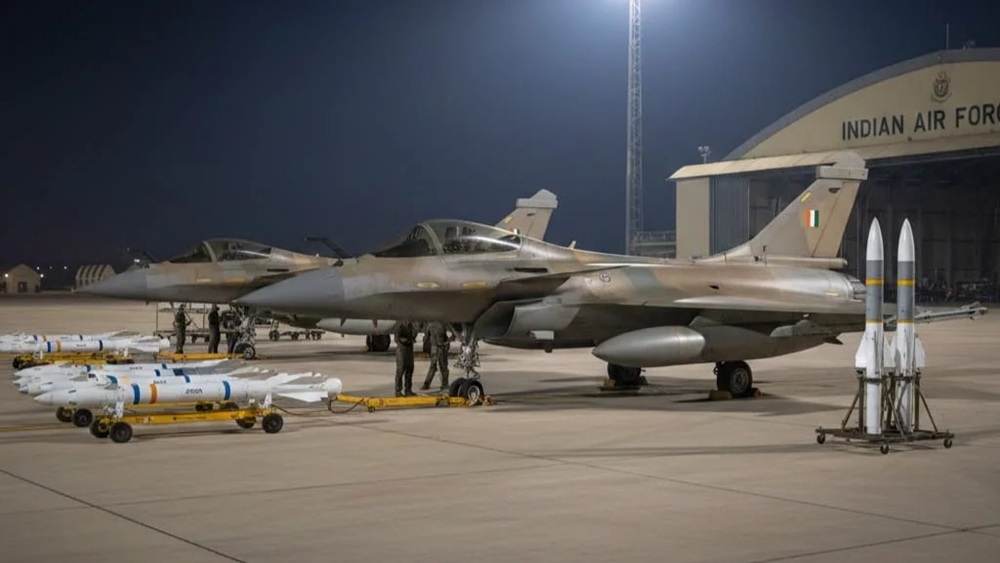
India is hit awkwardly by the denial of the Rafale source code. There is increased pressure for a significant acquisition because the Indian Air Force is still operating below its authorized fighter strength. In 2016, India signed a government-to-government agreement for 36 Rafales worth approximately €7.87 billion, or roughly US$8.7 billion. The agreement did not resolve the more significant issue of how much control India would have over the platform’s deepest systems, but it did address pressing needs.
This time, the stakes are much higher. India would tie a significant portion of its future combat aviation structure to a system whose essential software is still under external control if Rafale were to grow into a much larger fleet under MRFA. The aircraft is still functional despite this. It does, however, narrow New Delhi’s room to move. Future datalinks, updated countermeasure logic, mission-specific electronic warfare modifications, and indigenous weapons like Astra could all become more costly and time-consuming if each stage requires certification or negotiation support from outside vendors.
This limitation is also why the phrase “technology transfer” now deserves closer scrutiny in Indian defence debates. Local industrial involvement, maintenance facilities, and airframe sections are all important. Yet sovereign combat power depends on who owns the logic that fuses sensors, prioritizes threats, and governs how weapons and electronic warfare systems interact. Control over code is often more important than control over metal in the software age.
How Su-30MKI Shaped India’s View
India has been using the Su-30MKI for a long time, which is why this debate is so heated. New Delhi didn’t just buy that plane. It made a model based on licensed production, a large fleet, and a lot of flexibility in how things work together. Over time, that way of doing things made India more sure that they could adapt the platform to their needs. That history set a standard: India now judges fighters not only by how well they do but also by how much control they exercise over India.
That precedent also has an effect on the economy. Limiting software transforms every significant change into a managed service, rather than a company-led engineering task. This type of structure can raise costs over time. On the other hand, a more open architecture can share work between local labs, businesses, and maintenance systems. That difference is crucial for a country that is pushing Atmanirbhar Bharat.
Su-57E Adds Pressure on Rafale
That pressure point has worked well for Russia. Several reports from 2025 and 2026 say that Moscow has offered the Su-57E with unusually deep technology access, such as access to source code and the ability to make changes or make it locally. There is still some debate about whether every promise would work out as planned. Still, the political message is clear: Russia wants to market the Su-57E not just as a stealth fighter, but as an autonomy package that fits with Indian strategic culture.
That offer is important because it changes the way the competition works. India can now compare control philosophies instead of just air combat performance. France appears determined to safeguard its years-long accumulation of proprietary software. On the other hand, Russia wants to sell flexibility, customization, and local ownership. One model keeps the original manufacturer’s most valuable items safe. The other tries to win the deal by promising the customer more freedom.
You should always carefully test promises in fighter sales. India would still have to look at the reliability, speed of production, risk of sanctions, lifecycle costs, and the real depth of any Russian transfer. Still, a competing offer that gives India access to more software strengthens India’s negotiating position. It also ensures that the denial of the Rafale source code won’t just be a small contractual issue. It is now a clear standard against which another model can be compared.
AMCA Delays Complicate the Choice
The Advanced Medium Combat Aircraft is India’s own way of dealing with this whole issue. If the AMCA came soon, New Delhi could handle more short-term limits on imports because a sovereign fifth-generation path would already be in sight. But that is not how things are right now. The Indian government approved the AMCA execution model and linked it to a bigger push for indigenous aerospace capability. The initial development cost was widely reported to be around ₹15,000 crore. But the program still has to deal with the long timelines that come with developing complex fighters.
Those delays put a lot of pressure on the strategy. India can’t wait forever for AMCA, but it also can’t forget the lesson about sovereignty that the denial of the Rafale source code taught it. The longer the indigenous timeline goes on, the more appealing foreign plans look in the short term. Every imported platform with limited software control, on the other hand, could slow down the bigger goal of self-sufficient combat aviation. India must strike a difficult balance between immediate squadron relief and long-term technological autonomy.
What India Must Decide Now
India doesn’t have to turn down Rafale to show that it cares about this issue. The plane is still one of the best multirole fighters in the world, and official Dassault materials still show why it appeals to air forces looking for a combat-proven platform with strong sensors and built-in systems for staying alive. The real question is different: can India accept a premium fleet if it can’t reprogram the most important layers that will affect how useful it is in future combat?
That question should be the most important one when making the MRFA decision. New Delhi should use a clear order to judge each offer: operational capability, software sovereignty, industrial depth, weapons integration freedom, and lifecycle control. India needs to be honest about the cost of the restriction if France won’t budge on source access. For example, Russia offers more access, but India needs to verify the claim carefully. If AMCA is still delayed, India should use every interim deal to improve its skills instead of putting it off.
The refusal to share the Rafale source code has shown what really divides modern airpower. The jet on the tarmac is no longer the only important thing. It has the power to change what that jet can do when the threat changes. Therefore, India’s next fighter decision will say as much about speed, range, or stealth as it will about sovereignty. This is why this argument is now important for more than just the Rafale.
References
- https://www.dassault-aviation.com/en/defense/rafale/
- https://www.dassault-aviation.com/en/defense/rafale/detect-and-pursue/
- https://www.dassault-aviation.com/en/group/press/press-kits/dassault-aviation-partners-with-tata-advanced-systems-to-manufacture-rafale-fighter-aircraft-fuselage-for-india-and-other-global-markets/
- https://www.pib.gov.in/PressReleasePage.aspx?PRID=2210154®=3&lang=2
About the Author