
Qatar Blocks Volkswagen Rafael Iron Dome Deal
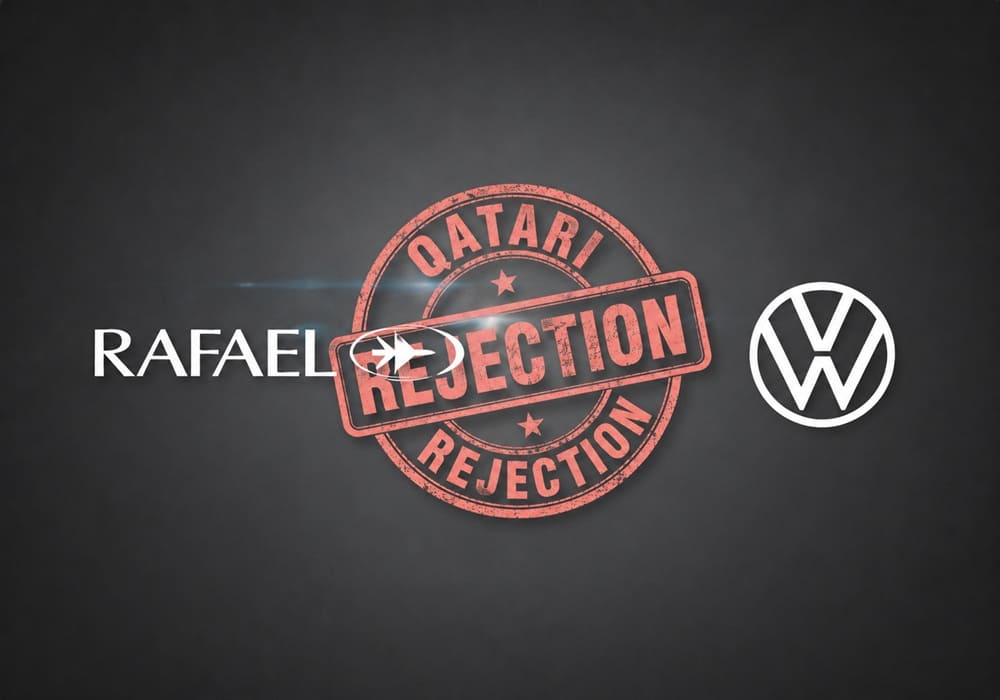
Volkswagen’s troubled Osnabrück plant faces another obstacle, as reports say Qatar is blocking the Volkswagen Rafael Iron Dome deal. German newspaper Bild reported that the Qatar Investment Authority (QIA) opposed cooperation between Volkswagen and Israel’s Rafael Advanced Defense Systems. The plan would have turned the automotive site into a defense manufacturing facility. It also set out a future for around 2,300 workers once vehicle production ends in 2027. However, now the row seems to be linking Volkswagen’s restructuring to Qatar’s political connections with Israel.
Volkswagen Rafael Deal Faces Qatari Opposition
Volkswagen and Rafael talked about the Osnabrück plant amid the uncertainty about the long-term future of the site. In late April 2026, they reportedly signed a letter of intent regarding Rafael’s proposed acquisition or industrial use of the site. Previous reports had said Osnabrück could manufacture launchers, heavy transport vehicles, generators and other Iron Dome components. Rafael also looked at parts that went into missiles, such as motors, though a separate specialist facility would be needed for explosives.
So the Volkswagen Rafael Iron Dome deal was more than a property transaction: it could swing trained automotive workers into defense production while keeping manufacturing capacity in Lower Saxony. However, Bild later reported that Qatari representatives vetoed the deal, and subsequent reports indicated that Volkswagen was considering other options. Volkswagen, Rafael and QIA have not disclosed the full negotiations, however.
Qatar Holds Influence at Volkswagen
Qatar Holding, the investment arm of QIA that Volkswagen says is its third-largest voting shareholder after Porsche Automobil Holding and Lower Saxony, has clout. The fund holds 17% of the voting rights in Volkswagen, and around 10.4% of its share capital. Qatar can’t run Volkswagen single-handed, but it can wield considerable influence over major strategic decisions. Qatar’s tentacles reach into Volkswagen’s supervisory board. Mohammed Saif Al-Sowaidi, chief executive of Qatar’s sovereign wealth fund, joined in May 2025, and former communications minister Dr Hessa Sultan Al Jaber also has a seat. Doha has no formal diplomatic ties with Israel but has ties with Hamas and has been a mediator in talks with Israel and Gaza. However, Qatari stakeholders objected to producing equipment for a system primarily used to defend Israel.
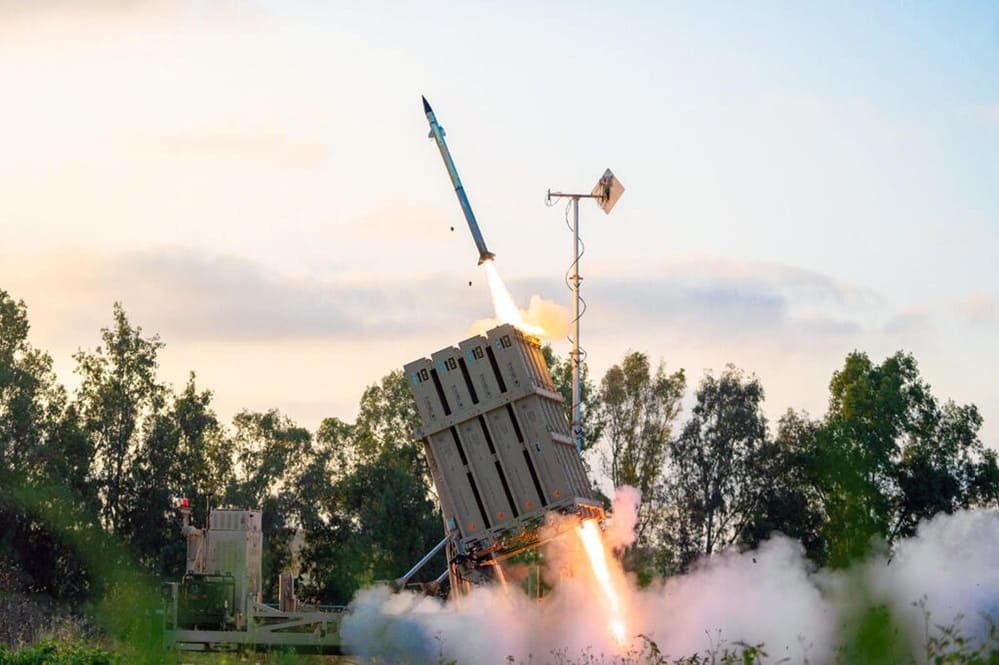
What Iron Dome Production Would Involve
The Iron Dome is a mobile air-defense system developed by Rafael to counter threats from short-range rockets, artillery and mortars and has been in Israeli service since 2011. It integrates radar, battle management software, launchers and Tamir interceptor missiles. The German plant may not have been producing full interceptors. Instead, the reporting suggests support equipment and some selected missile components, which are a natural fit for an automotive plant with skilled workers and well-established quality control processes. But security expert Peter R. Neumann at King’s College London said Germany should be open to Gulf investment but not create strategic dependence. His warning is part of a wider fear that foreign capital can save industrial jobs but can also influence sensitive defense decisions.
Rafael Expands Iron Dome Production Abroad
Even if Volkswagen’s Rafael Iron Dome deal falls through, it won’t derail Rafael’s international manufacturing strategy. The company already manufactures Tamir interceptors at a plant in northern Israel. A joint venture between Raytheon and Rafael opened a second production line in East Camden, Arkansas, in 2025. It manufactures the Tamir missiles and the SkyHunter variant and supports Israel’s capability and the US Marine Corps’ Medium Range Intercept Capability programme. Rafael is also in talks with Indian defense companies to set up a production line for the interceptor.
India has developed missile-making partners and has access to a large defense market. India’s procurement policy often mandates foreign suppliers to manufacture locally and sometimes to support exports. So an Indian line would save costs, provide back-up capacity, increase sales abroad and bolster Rafael’s position in India. Rafael appears to be building a distributed production network. Germany would supply European customers, the US would meet American needs and India could broaden its influence across Asia.
Operational and Industrial Impact
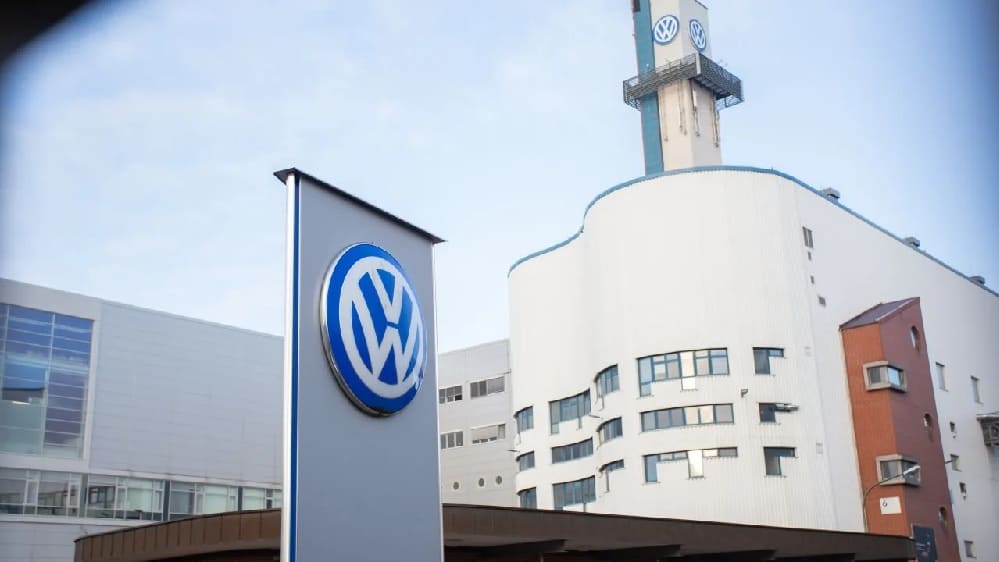
Osnabrück employs around 2,300 people. Current vehicle production will end in 2027, leaving the plant uncertain without a replacement Volkswagen programme. The Volkswagen Rafael Iron Dome deal would have matched unused car-making capacity with Europe’s growing air defense demand. However, Qatari opposition shows that defense conversion involves more than just engineering and finance. Shareholder politics, export controls and diplomacy also influence arms production. Consequently, even suitable factories may still be difficult to repurpose for defense production.
Conclusion
The veto reported shows how sovereign wealth funds can use their large corporate holdings to influence European defense decisions. Qatar’s investment made it a powerful stakeholder in Volkswagen, but that influence now conflicts with Germany’s bid for defense manufacturing capacity. For Rafael, the blow could mean European output being diverted to another plant, while Volkswagen is under increasing pressure to find a partner before the end of the vehicle programme in Osnabrueck.
The Volkswagen Rafael Iron Dome deal has a larger lesson. Europe wants to build up its defense capacity, but many industrial companies still depend on international capital. Thus, governments have to strike a balance between access to investment, employment protection and strategic autonomy. Bottom line: Qatar’s reported veto may delay the Osnabrück proposal but will not stop Rafael’s global expansion, and Volkswagen must now find another industrial future for the plant before 2027.
References
- https://defensenewstoday.info/israeli-f-15-systems-reach-qatar-and-saudi-arabia/
- https://defensenewstoday.info/pratt-whitney-israel-plant-closure-after-50-years/
- https://www.reuters.com/world/middle-east/vw-investor-qatar-complicates-plant-deal-talks-with-israeli-arms-maker-sources-2026-06-17/
- https://www.volkswagen-group.com/en/shareholder-structure-15951
About the Author