


Pratt & Whitney Israel Plant Closure after 50+ years
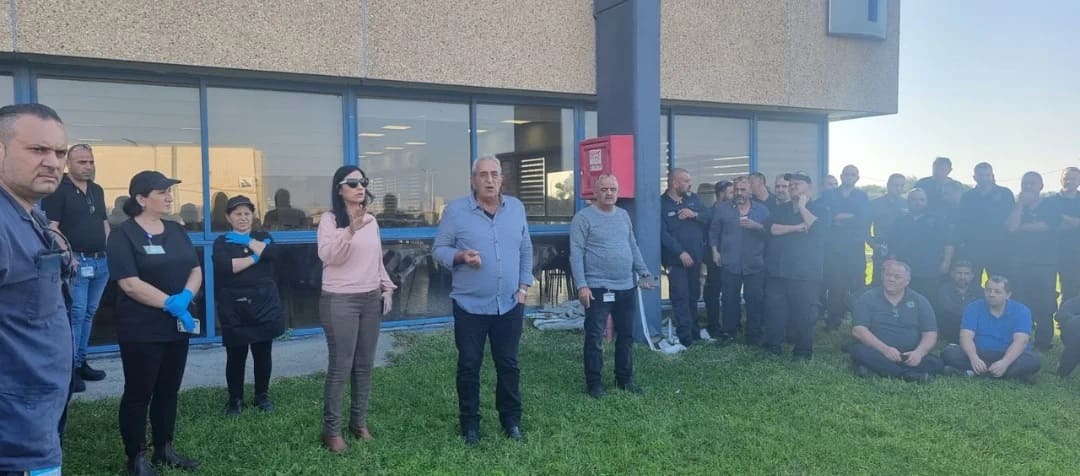
The Pratt & Whitney Israel factory closure marks a serious industrial setback for northern Israel. After more than five decades in Nahariya, the US jet engine maker has started shutting down its Blades Technology Ltd. compressor and turbine blade plant. Around 600 workers will lose their jobs through August, while some employees may take early retirement or move to the company’s Tefen facility.
However, this story reaches beyond local employment. BTL produces precision forged and machined blades and vanes for aerospace engines and industrial gas turbines. It also expanded into the orthopaedic implant market. Therefore, its closure highlights a wider risk: advanced defense-linked manufacturing needs cost discipline, skilled labour and long-term industrial policy.
From Workshop to Global Supplier
Industrialist Stef Wertheimer founded the Nahariya operation in 1968. At first, the plant supported Israeli Air Force spare-part needs. Over time, the plant evolved into a specialised aerospace supplier for the jet engine and gas turbine markets. Pratt & Whitney later took full control of the business.
In 2014, the American aerospace group bought the remaining 51% stake from the Wertheimer family. The deal placed BTL fully inside Pratt & Whitney’s global supply network. That history makes the Nahariya shutdown more sensitive. Israel is not losing a simple workshop. Instead, it is losing a niche industrial capability built across more than 50 years.
Why Pratt Left Nahariya
Pratt & Whitney first announced the production phase-out in 2022. The company said the Nahariya line had suffered heavy losses and would gradually stop production. It also planned to relocate part of the manufacturing work to the United States. Several local pressures made the plant harder to sustain. The Israel Manufacturers’ Association cited the strong shekel against the US dollar, higher input costs, property taxes, land expenses, and regulation as factors.
Its president, Avraham Novogrotzky, warned that the closure should serve as an industrial warning sign. Moreover, the closure followed a long labour dispute. The Histadrut Labour Federation pushed to find a buyer and keep the factory open. Workers also staged stoppages as negotiations dragged on. Yet the effort failed to reverse the company’s decision.
Jobs and Tefen Transfers
The human impact will hit Israel’s north directly. About 600 employees face dismissal, while some will receive compensation or early retirement options. Reports differ on the transfer figure, but between 150 and 300 workers could move to Tefen, where Pratt & Whitney still operates blade production lines. For Nahariya, the move removes one of the region’s high-skill industrial employers.
It also weakens the local ecosystem around machining, metallurgy, quality control and aerospace-grade production. Consequently, suppliers and self-employed contractors may also feel the pressure. Yesh Atid MK Vladimir Beliak called for urgent Knesset Finance Committee attention. His warning reflects a broader argument: northern Israel needs strategic industry, not only emergency support.
Industry Lessons
The closure of the Pratt & Whitney Israel factory highlights a key lesson for defense planners. Sovereign capability does not survive on history alone. It needs stable orders, competitive costs and policy support. Although BTL served commercial and industrial markets, blade manufacturing remains relevant to military aviation. Compressor and turbine components sit at the centre of jet engine performance, reliability and sustainment.
Therefore, losing such capacity can narrow future options during crisis or embargo conditions. For readers tracking defense industry resilience, this case illustrates how economic decisions can shape strategic readiness. It also is relevant for air power analysis, because engines remain among the hardest systems to design, manufacture and support.

Strategic Outlook
Israel still retains strong aerospace, unmanned systems and defense electronics sectors. However, the Nahariya shutdown shows that mature industrial assets can disappear when they no longer fit a multinational supply-chain model. The government now faces a clear choice. It can treat the closure as a one-off corporate decision, or it can use it as a warning. If Israel wants advanced manufacturing to stay, it must improve competitiveness before the next factory reaches the same point.
References
- https://www.jpost.com/defense-and-tech/article-899652
- https://www.rtx.com/en/prattwhitney
- https://defensenewstoday.info/defense-news/
- https://defensenewstoday.info/defense-news/defense-branches/air-force/
- https://www.timesofisrael.com/after-more-than-50-years-us-engine-maker-pratt-whitney-is-shutting-down-israel-factory/amp/
About the Author