
Poland EU Defense Loan—Warsaw Rearms Faster
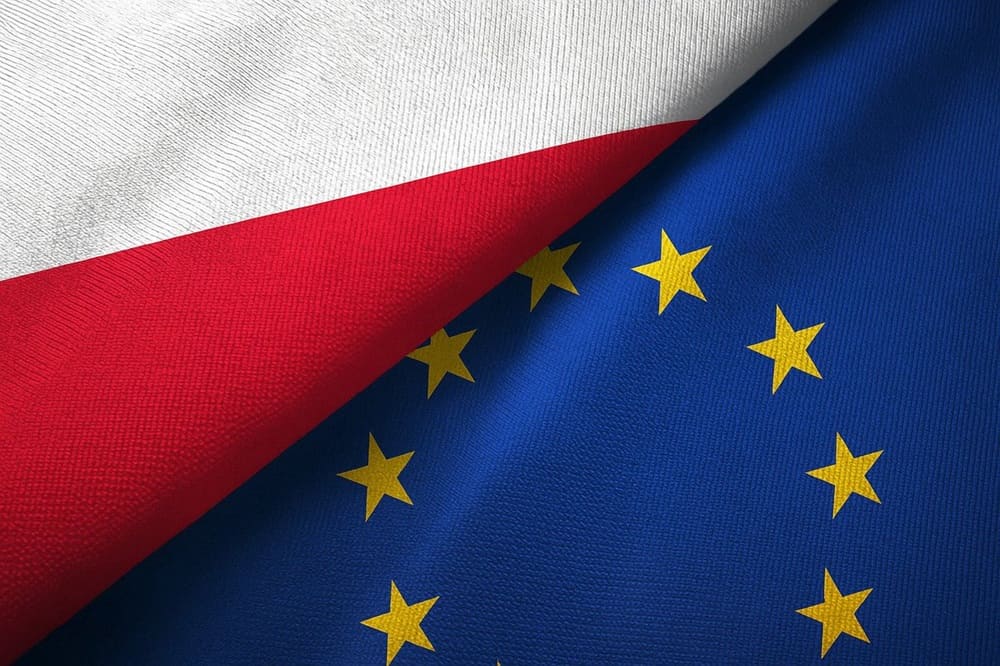
The Poland EU defense loan provides Warsaw with a major new source of funding for military modernization. Under the deal signed with the European Commission, Poland will receive €43.7 billion, or about $52 billion, through the EU’s Security Action for Europe program. So it’s not just a matter of financing new weapons. It puts Poland at the heart of Europe’s industrial rearmament effort.
Prime Minister Donald Tusk described the deal as a “watershed moment” for Poland and the European Union. His language mirrors the strategic mood in Warsaw. Poland borders Russia’s Kaliningrad exclave, as well as Belarus and Ukraine. As a consequence, it now links national security, NATO deterrence, and EU industrial policy into one package in its defense planning.
SAFE and NATO’s Eastern Flank
The SAFE scheme offers around €150 billion in preferential loans to fund European defense investment. It supports joint procurement, ammunition buys, military infrastructure, and key defense production. Poland, though, is the biggest winner.
Warsaw already surpasses NATO in its relative defense effort. It has devoted 4.8% of GDP to defense, the largest share of any alliance economy. Poland has also seen Russia’s war against Ukraine as a lesson, not a distant catastrophe. It has enhanced procurement, reinforced border defenses, and supported the broader “eastern shield” concept.
Poland’s EU defense loan better than national readiness for NATO It secures the alliance’s most vulnerable land corridor, adds depth to European logistics, and improves the resilience of the eastern flank. In practice, the deal means more equipment, faster mobilization, and better support infrastructure.
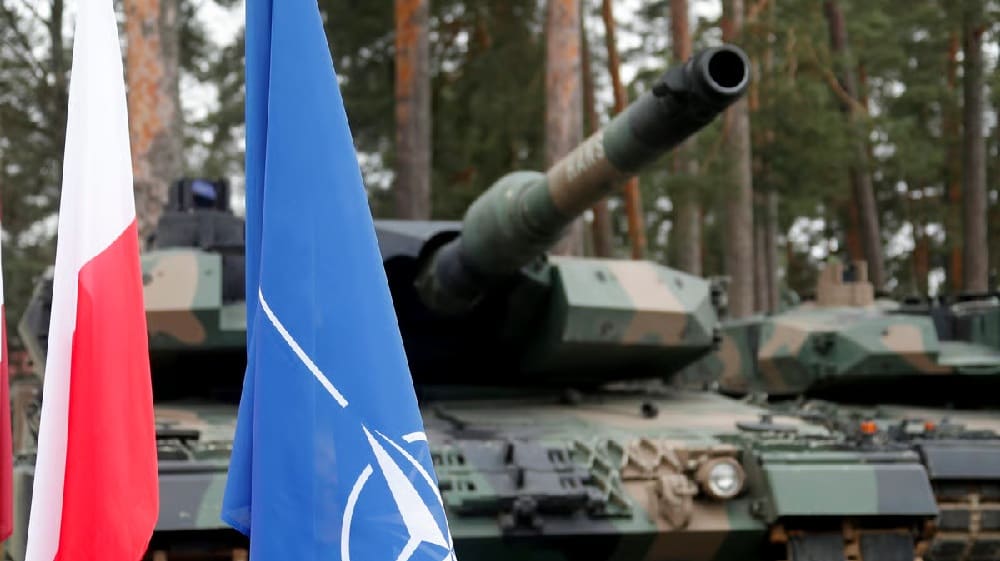
Local Defense Production
The loan also has a strong industrial message. Polish officials say that Polish firms will receive 89% of the contracts financed under the program. The figure is important because Poland wants rearmament to build factories, skilled labor, and domestic sustainment capacity.
“Poland has defense plants everywhere in the country, and we want to produce equipment everywhere,” Finance Minister Andrzej Domanski told Reuters. So Warsaw wants to transform borrowing from the EU into long-term industrial output. This approach could form the basis for armored vehicles, air defense components, ammunition, drones, electronics, and maintenance capacity.
Local production reduces strategic risk for defense planners. Imported systems may give you speed in capability, but a local industry gives you endurance in wartime. Poland seems to be pursuing both routes simultaneously. It buys sophisticated weapons from abroad and creates more work for its industry.
Politics and Defense Compromise
The deal followed months of domestic wrangling. President Karol Nawrocki and the opposition nationalists resisted the SAFE pathway. They said EU-backed financing would increase dependence on Brussels, weaken ties with Washington, and favor European suppliers over American companies.
Nawrocki also promoted a rival concept, “SAFE 0%,” with central bank governor Adam Glapiński. That plan was promising a sovereign alternative with the resources of the central bank. But Tusk’s government dismissed it as unrealistic, partly because the central bank is losing money.
This political struggle reveals a deeper tension in Polish defense policy. Warsaw wants American military support, but it also needs European money and industry scale. Hence, the Poland EU defense loan is a compromise. It keeps Poland in NATO’s fold while giving the EU a bigger role in financing defense.
What to Watch Next
Analysts should monitor the pace at which Poland converts the loan into contracts. They should also note which sectors are being prioritized. Ammunition, air defense and counter-drone systems, hardened infrastructure, and armored mobility could dominate early spending.
Another big issue is supplier balance. SAFE supports European procurement, but Poland continues to be heavily reliant on the US and South Korean systems. Therefore, Warsaw has to balance EU rules, alliance interoperability, and urgent operational requirements.
The Poland EU defense loan finally marks a new era in European security. Poland is no longer a NATO country on the front line. The eastern flank is becoming a defense-industrial hub. If Warsaw succeeds with the plan, the loan could shape Europe’s military production base for years.
References
- https://defence-industry-space.ec.europa.eu/eu-defence-industry/safe-security-action-europe_en
- https://www.reuters.com/business/aerospace-defense/poland-signs-first-loan-deal-part-eu-defence-spending-push-2026-05-08/
- https://nbp.pl/en/about-nbp/nbp-management-board/adam-glapinski/
- https://defence24.com/geopolitics/defence24-days-the-eastern-flank-of-nato-is-key-to-the-defence-of-europe
About the Author