


Pentagon Cuts Ties With Harvard University
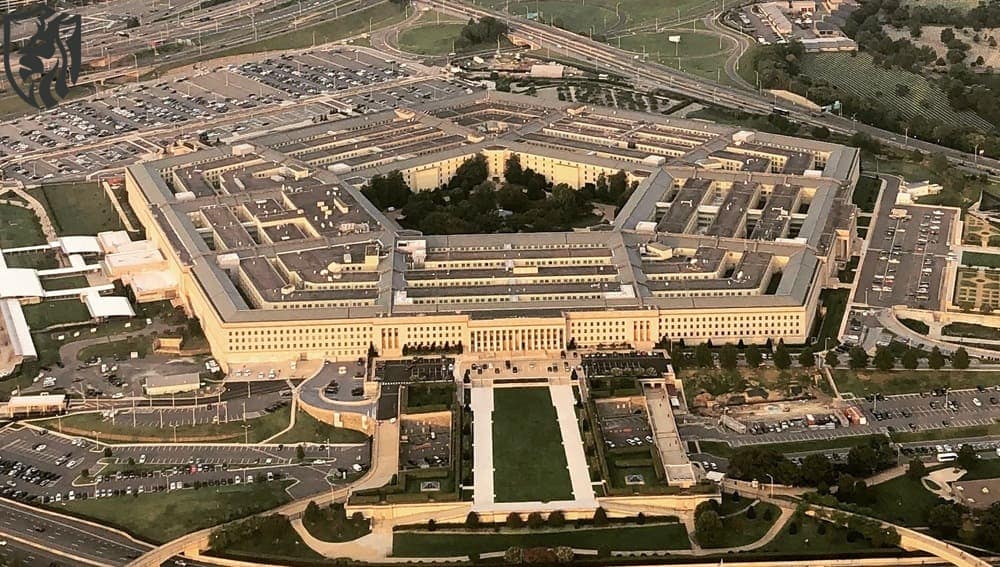
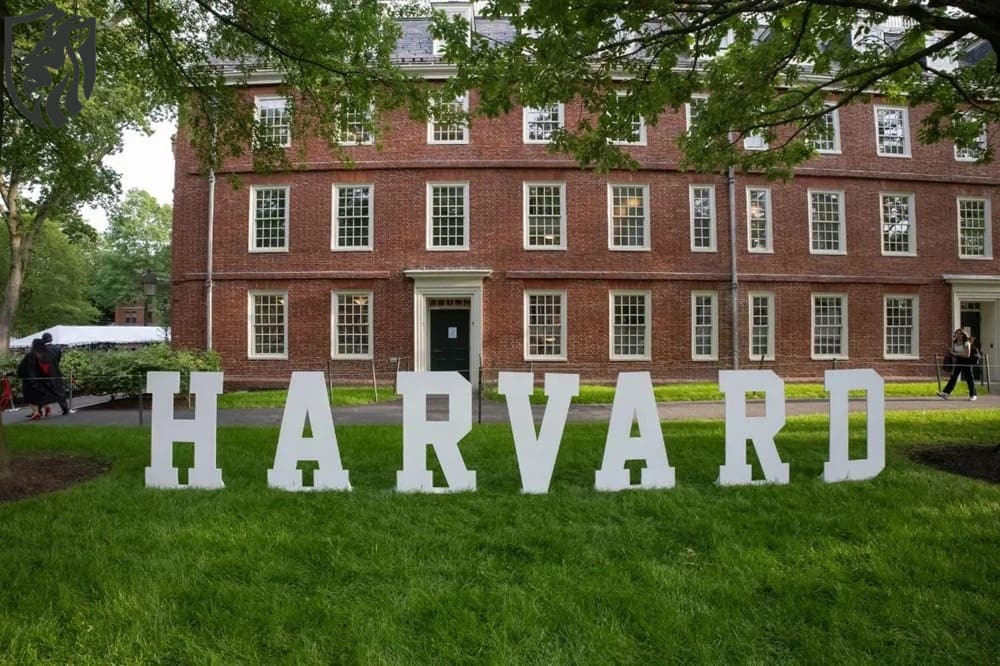
On 6 February 2026, Defense Secretary Pete Hegseth said the War Department—his term in the statement—will cut school ties with Harvard, per the official release. He said the change starts in the 2026–2027 school year, and the forces will shift funded slots elsewhere soon. The move ends graduate PMEs, fellowships, and short courses run by the school. However, troops already on these courses can finish what they began.
In simple terms, Harvard drops off the officer PME track. The department will then transfer funds and spots to other educational institutions and military graduation pathways. Therefore, the Pentagon’s decision to cut ties with Harvard sets a clear bar: show warfighting value, not just a famous name.
Hegseth: Why Harvard No Longer Fits
Hegseth cast the Pentagon’s ties with Harvard’s move as a combat-readiness step. He stated that the department dispatched high-ranking officers to Harvard, but a significant number of them returned with globalist and radical ideologies. Moreover, he said Harvard no longer welcomes military students or trains them for service needs.
He also raised concerns about security and cultural risks, stating that Harvard’s research connections extend to foreign powers, and he specifically linked some of that work to the Chinese Communist Party. Meanwhile, he accused campus leaders of allowing praise for Hamas and of failing to stop attacks on Jewish students on campus. He also said Harvard kept race bias even after Supreme Court rulings on admissions.
The Historic Harvard–Military Link
To show contrast, he pointed to earlier ties. In 1775, George Washington commanded the Continental Army in Harvard Yard and used the site as a military base. Hegseth added that, through the Korean War, service at Harvard was common. He also claimed Harvard has more Medal of Honor winners than any other US civilian school.
What are the next steps for Ivy League PME?
Next, Hegseth said the department will review all Ivy League links for active-duty grad study and will check other civilian schools too. The goal is to judge cost and payoff and to compare them with public universities and military grad programs side by side. If the Pentagon’s cutting ties with Harvard becomes the model, more links could face tougher rules or a full cut.
Why It Matters for Senior Leader Pipelines
PME shapes how officers frame risk and time in war. Therefore, the locations where forces train future generals and flag officers are significant. It can shape doctrine and joint culture. If the department shifts education in-house, it may also thin the elite networks built inside top civilian programs over time.
Going forward, Hegseth said the department will train warriors, raise lethality, and restore deterrence. He also said the department should not spend billions on costly schools that, in his view, work against the mission and the country.
What Analysts Should observe
The Pentagon’s move to end its Harvard University partnership highlights a tougher emphasis on combat relevance, value for money, and shared institutional priorities. Those already enrolled can complete their studies, but future PME routes may shift toward public universities and in-house military education. Next, watch whether this review expands to other Ivy League programs.
References
- https://www.war.gov/News/News-Stories/Article/Article/4399812/war-department-cuts-ties-with-harvard-university/
- https://supreme.justia.com/cases/federal/us/600/20-1199/
- https://www.reuters.com/world/us/pentagon-ends-training-fellowships-certificate-programs-with-harvard-hegseth-2026-02-06/
- https://apnews.com/article/623bef9a034c7ec60763210e50d4f259
- https://supreme.justia.com/cases/federal/us/600/20-1199/?utm_source=chatgpt.com
About the Author