Kratos Lands US$1.4 Billion Pentagon Deal for Hypersonic Tests
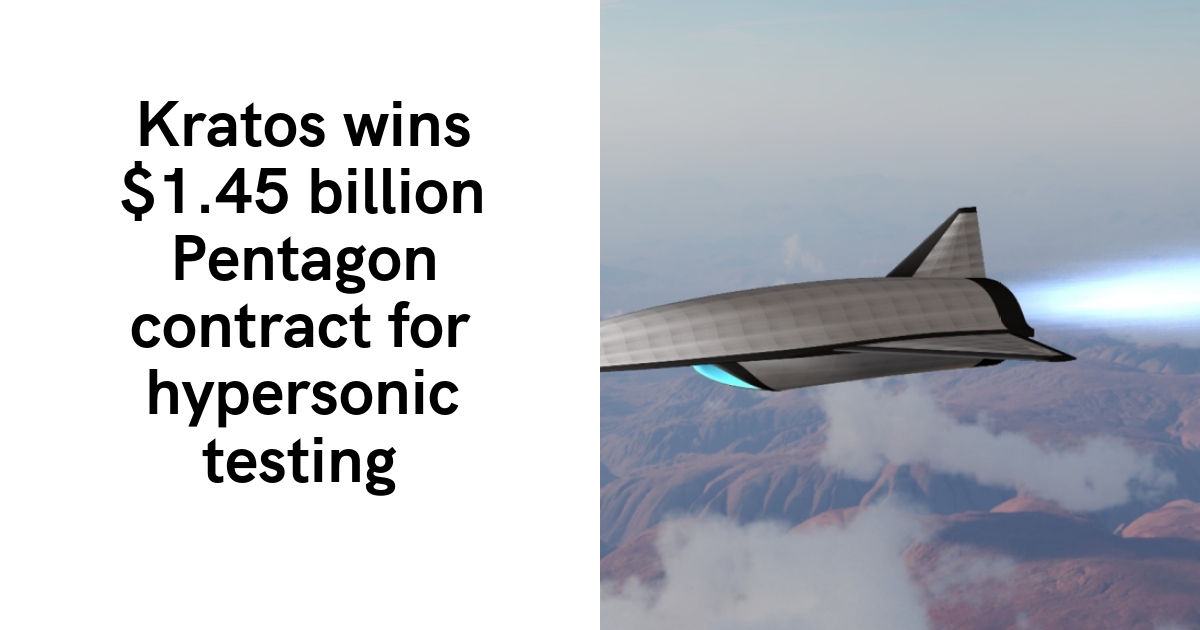
The Pentagon has chosen Kratos to run the second phase of its Advanced Capability Hypersonic Test Bed (MACH-TB) program, which is worth up to $1.45 billion to the defense company. This five-year deal is meant to improve hypersonic flight testing and fill in important gaps in the U.S. Department of Defense’s (DoD) work on hypersonic technology.
MACH-TB 2.0 Expansion
The MACH-TB program’s goal is to improve the testing infrastructure for hypersonic technology starting in 2022. Leidos ran the first phase, which was all about designing and showing off a testbed. The focus of the second phase will be on doing more hypersonic flight tests.
Kratos said on January 6 that MACH-TB 2.0 will link ground tests with full flight tests. This approach will cut costs and improve test efficiency. Moreover, it will lower development risks and speed up timelines. Therefore, the military will deploy new hypersonic technologies more quickly.
Kratos’ Hypersonic Progress
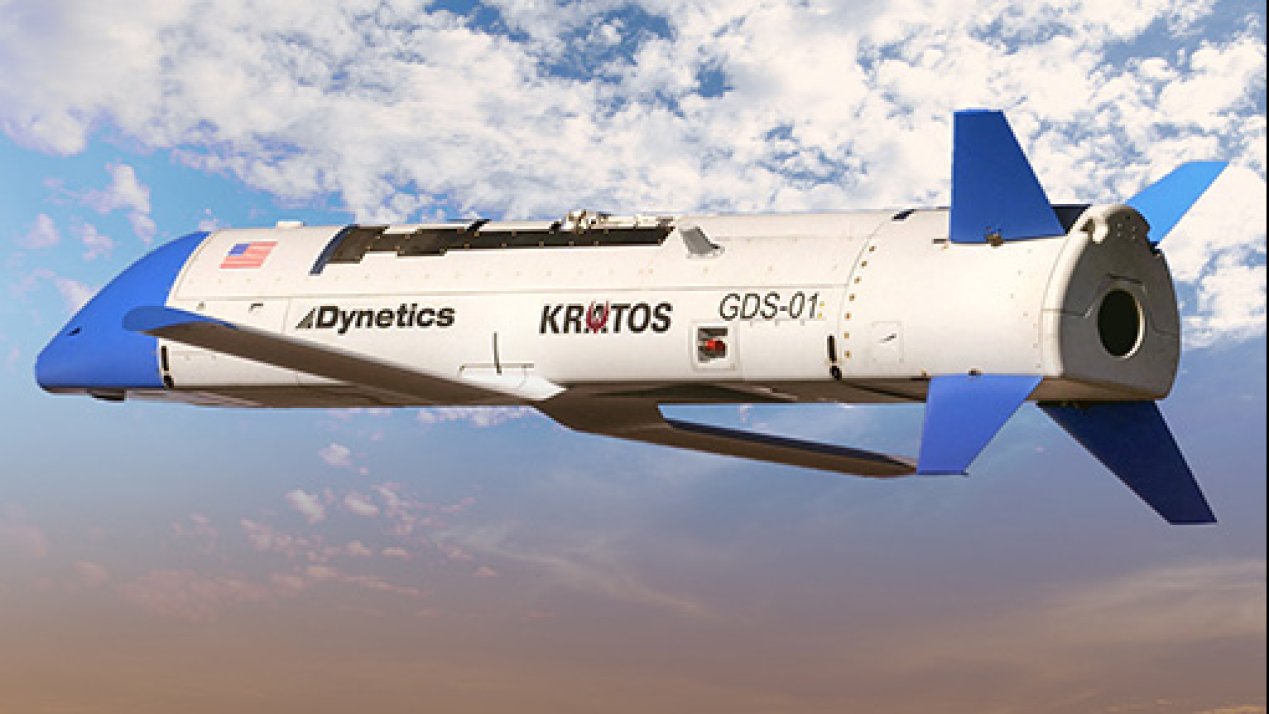
This is Kratos’s biggest contract ever, and it comes after big improvements in hypersonic technology. The Missile Defense Agency tested the company’s Erinyes vehicle in June 2024, achieving hypersonic speed on its first flight. It is amazing that Kratos created the Erinyes in just three years for less than $15 million.
This indicates that it can be a cheap way to test hypersonic speeds. In October, Kratos tested its Zeus solid rocket motors, which could lead to mass production this year. These achievements show that Kratos can quickly and cheaply come up with new strategies, making it a leader in the development of hypersonic systems.
Why MACH-TB Matters
The Pentagon’s Test Resource Management Center and the Naval Surface Warfare Center’s Crane Division run the MACH-TB program, which is crucial for advancing hypersonic technologies. The program flies a testbed that lets you test hypersonic subsystems, new technologies, and advanced materials in real flight situations. This resource fills a big hole in U.S. hypersonic development because parts usually don’t get enough testing before full system evaluations.
As a subcontractor on MACH-TB 1.0, Kratos has helped with more than 25 test flights. The company is a key player in MACH-TB 2.0, working with Leidos, Rocket Lab, and Purdue University. They aim to revolutionize hypersonic testing by offering a scalable solution that meets DoD requirements.
Global Hypersonic Race Intensifies
The U.S. has stepped up its work on hypersonic weapons because China and Russia have made progress in this area. Hypersonic systems are a big strategic advantage in modern warfare because they can move and travel faster than Mach 5. In November, Russia showed off its hypersonic abilities by firing an intermediate-range ballistic missile while it was still fighting in Ukraine.
The MACH-TB program shows that the U.S. military wants to stay ahead in this important area. The goal of this program is to ensure that American hypersonic systems remain at the forefront of their capabilities and prepared for combat by fostering innovation and enhancing testing.

Advantages of MACH-TB 2.0
1. Risk Reduction:
Having more hypersonic test flights with MACH-TB 2.0 reduces the risks associated with testing the entire system, allowing developers to find and resolve issues sooner.
2. Cost Efficiency:
By focusing on keeping costs down, the program makes advanced hypersonic technologies more accessible to the DoD without overspending budgets. The Erinyes vehicle, for example, shows cost-effective new ideas.
3. Faster Timelines:
With an improved testing method, MACH-TB 2.0 cuts down the time needed to develop hypersonic systems so the U.S. can use new technologies quickly.
4. Joint Innovation:
The program unites top groups like Leidos, Rocket Lab, and Purdue University, encouraging a team-based strategy to tackle tough technical difficulties.
Kratos and MACH-TB Outlook
Kratos’ bigger part in MACH-TB 2.0 shows how important it is becoming in hypersonic technology. The company’s innovative ideas and past successes make it an important part of the U.S. military’s goal to be the best at hypersonic combat. As MACH-TB 2.0 moves forward, the Pentagon’s support for advanced testing facilities and teamwork will likely make a big difference in hypersonic technology. These steps make the country safer and show that the U.S. wants to stay ahead of the competition in technology.
References
- Defense News—Pentagon Picks Kratos for Hypersonic Testbed Program
- SpaceNews – Kratos Wins $1.45 Billion Pentagon Contract for Hypersonic Testing
- Defense News – MACH-TB 2.0 to Propel Hypersonic Tech for U.S. Military
About the Author