



Passive Coherent Location Radar — India’s Anti-Stealth Edge
India is strengthening its air-surveillance grid with a Passive Coherent Location Radar layer. Reports link it to a wider Low Observable Detection Network. Unlike traditional surveillance radars, this system stays silent. It does not transmit signals into the sky. Instead, it listens to existing broadcasts and compares reflections. Then it correlates data and forms target tracks.
This shift changes the risk calculus for stealth aircraft crews. It also alters the job for defenders hunting low-signature threats. For air-defense planners, the takeaway is clear. Passive Coherent Location Radar closes gaps left by single-band sensors. It becomes especially valuable against heavy electronic attack. It also reduces exposure to anti-radiation missile threats.
Passive radar: what it does
A Passive Coherent Location Radar (often shortened to PCL) does not illuminate targets with its energy. Instead, it exploits “illuminators of opportunity,” such as commercial broadcast transmissions, then looks for reflections and Doppler shifts consistent with moving aircraft or missiles. Because the receiver does not radiate, passive sensors are harder to locate and target using conventional tactics designed to hunt emitters. That basic characteristic is why passive radar has remained attractive in contested airspace discussions for years.
Why India chose passive radar
Stealth does not mean invisible. It usually means “harder to detect at shorter ranges, in certain bands, and from certain aspects.” As a result, modern air-defense architectures increasingly mix radars across multiple frequency bands and geometries to reduce blind spots and raise confidence in tracks. In that layered model, Passive Coherent Location Radar contributes two practical advantages:
- Discretion under pressure: it can continue observing while other sensors manage emissions and survivability.
- Resilience against common countermeasures: a passive receiver is not a classic radar emitter, so it changes how jamming and anti-radiation attack planning works.
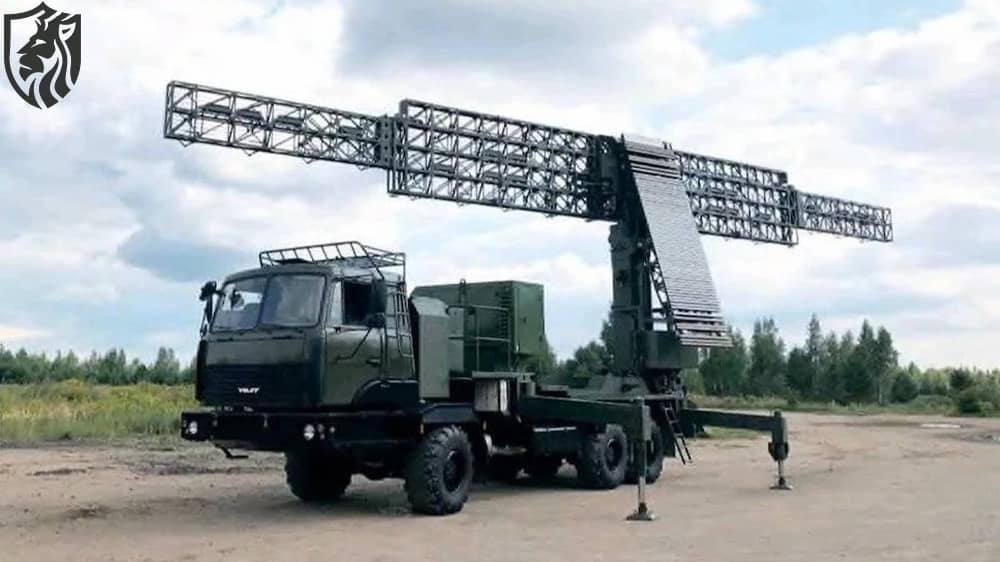
Recent defense reports indicate that India is adding a passive, coherent location system to its Low Observable Detection Network to better find and track stealthy threats like UAVs and cruise missiles.

How passive radar supports active radar
No single sensor solves the air picture. Even advocates of passive systems treat them as part of a wider mesh, not a replacement. NATO technical discussions on PCL describe multistatic setups where multiple transmitter–receiver pairs improve localization by combining timing and frequency-shift measurements. In operational terms, Passive Coherent Location Radar tends to enhance the following aspects:
- Cueing: giving another radar, EO/IR, or a fighter’s sensor a better place to look.
- Track continuity: sustaining a track when an adversary attacks your emitting radars or forces you to manage emissions.
- Classification confidence: correlating behavior across sensors to reduce false alarms in cluttered skies.
This is the “layered” logic India appears to be pursuing—multiple bands, multiple sensor types, and multiple kill-chain paths rather than a single point of failure.
Why silent sensors survive SEAD/DEAD
Suppression and destruction of enemy air defenses often starts by finding emitters, then targeting them with anti-radiation missiles or stand-off weapons. Passive receivers complicate that playbook because they do not advertise themselves in the same way. The lack of advertisement doesn’t make them invulnerable, but it forces attackers to rely on other intelligence methods, which take time and coordination. That is the quiet value of Passive Coherent Location Radar inside a broader network: it presents commanders another surveillance “lane” when the electromagnetic environment becomes hostile.
What it means for the Philippines
The Armed Forces of the Philippines (AFP) already prioritize air surveillance upgrades, including Japanese-supplied radar systems for air surveillance that were delivered and turned over to the Philippine Air Force recently. That modernization focuses on coverage, readiness, and persistent monitoring—exactly the areas where passive sensing can add resilience. A Passive Coherent Location Radar investment would not replace the Philippines’ existing radars. Instead, it could provide:
- It could serve as an additional, more difficult-to-target surveillance layer in areas that are contested or complex.
- When combined with other sensors (radar + EO/IR + RF analytics), it could provide better detection opportunities against small UAVs and low-flying threats.
- When civilian broadcast density is high enough to support passive exploitation, it can enhance situational awareness around critical approaches.
The practical questions are not philosophical—they are engineering and operations: transmitter availability, geography, processing capacity, integration into command-and-control, and how crews train to trust passive tracks without overreacting to noise.
What is the next area of focus?
If India’s integration plan succeeds, watch how the passive layer feeds battle management. Focus on alert rules, track fusion, and operator workflows. See how crews compare passive tracks with active radar returns. Also note how they confirm targets with EO/IR sensors.
For the Philippines, treat passive radar as a resilience upgrade, not a status purchase. Start with small, practical steps that strengthen survival under attack. Prioritize continuity, so surveillance keeps working during jamming and strikes. Often, that steady progress beats one big, headline-grabbing system.
References
About the Author