Pakistan’s Strategic Appetite for Superpowers
It was born in violence, grew up in a world of uncertainty, and was shaped by constant outside pressure. Many states want peace and safety, but Pakistan has spent its whole history learning how to live in danger. Pakistan hunts superpowers because it is a country that knows how to manage pressure, timing, and survival. This arc tells the story of a country that takes action. It is the story of a tough state. It’s the story of a country that won’t settle for less. Pakistan goes after superpowers because it has always thought that being weak makes you vulnerable and only being strong earns you respect. Pakistan is like a small, quick-footed actor that keeps company with far bigger and stronger powers.
A State Forged Under Fire
Pakistan did not come out of peace. It came out in the chaos. Partition led to violence, people being forced to leave their homes, and a desperate fight to build a country under a lot of stress. Pakistan had to secure its borders, accept refugees, create institutions, and define nationhood from the start.
That harsh start still affects how Pakistan hunts superpowers today. Born in a crisis, a country rarely develops a soft strategic mind. Instead, it becomes aware, wary, and very flexible. Pakistan learned early on that speeches don’t always mean survival. Discipline, determination, and the ability to act under pressure are what keep you alive. Pakistan’s needs shape its strategic appetite for superpowers.
Why Pakistan Thinks Like a Predator
Predators don’t move around without thinking. They save their strength, learn about their surroundings, and strike when it matters. Pakistan has acted the same way many times. Pakistan doesn’t try to match superpowers in wealth; instead, it uses geography, deterrence, and strategic timing. The nation knows what it can and can’t do. It knows it can’t spend more than bigger powers do. It also knows that power isn’t just about money. Trained by the United States, Pakistan helped wear down the Soviet Union, then turned around, outplayed its former patron, and deepened its alignment with China, a true chess player and always in demand.
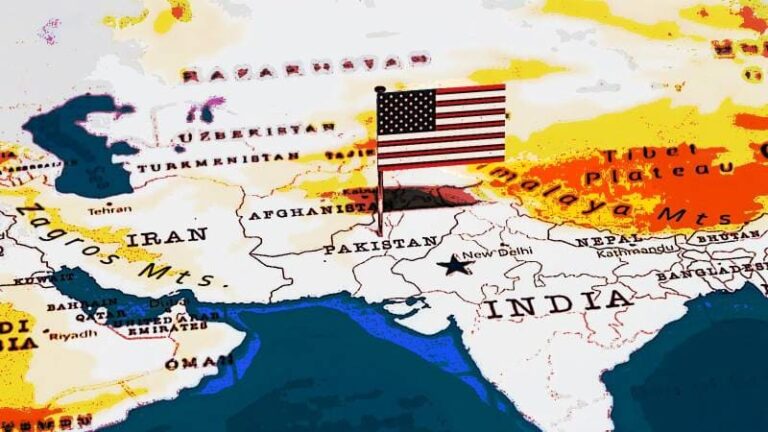
The true power lies in challenging the assumptions of stronger actors. Pakistan hunts superpowers by making those who think that size guarantees power question their calculations. That’s what provides it an edge. Pakistan is in the middle of South Asia, Central Asia, the Middle East, and the Arabian Sea. Geography made it important. Strategic decisions made it impossible to ignore. Pakistan hunts superpowers because it is close to places where there is fighting, energy corridors, trade routes, and major fault lines in world politics.
Geography Turned Into Leverage
Many countries have useful geography. Not many people know how to use it as a weapon in politics. Pakistan has done this many times before. Pakistan’s Strategic Appetite for Superpowers by using location as a weapon and relevance as a tool of power. Major powers may not like how unpredictable Pakistan is, but they keep coming back. They come back because they need access, information, logistics, military connections, or power in the area.
Pakistan hunts superpowers because it knows how to stay in the middle of the great powers’ interests. This is why Pakistan’s economy often seems bigger than it really is. It doesn’t attract attention just because it’s rich. It receives attention because it needs to. In today’s world of geopolitics, a country that can mess up the plans of great powers is powerful. Pakistan uses that very skill to hunt superpowers.
The Military Mind Behind the Strategy
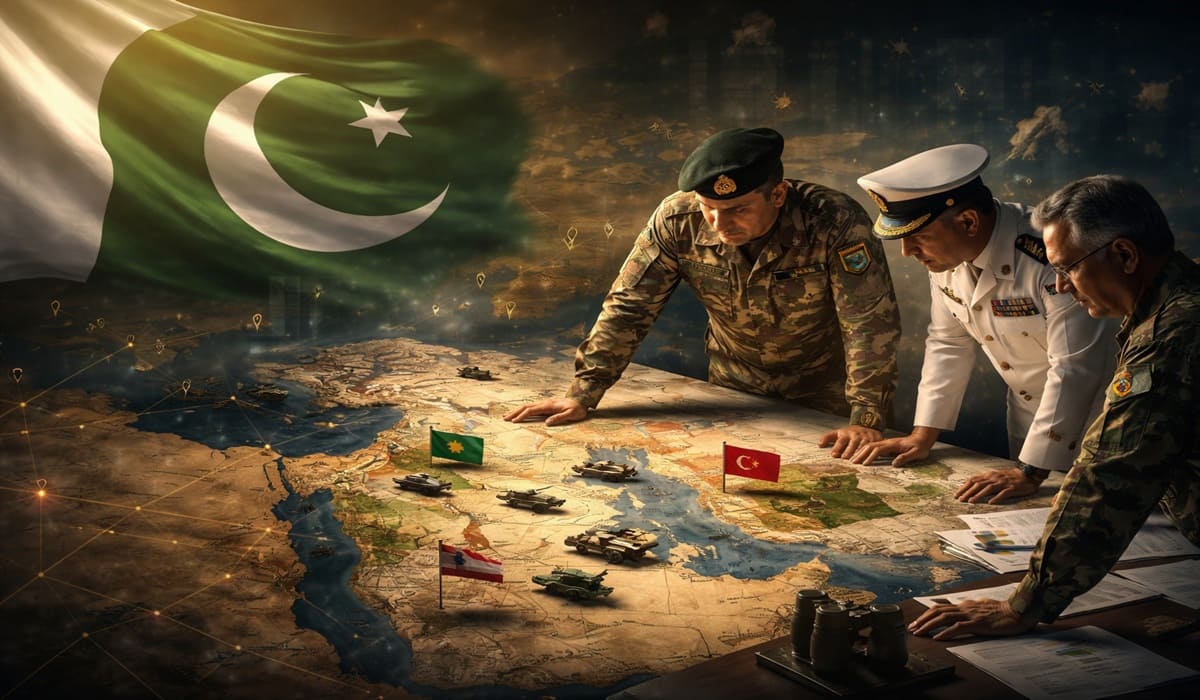
The military has had a big impact on Pakistan’s strategic identity. You can’t ignore that fact. Pakistan could never afford to be lazy when it confronted Indian hegemony, which was much bigger. Pakistan hunts superpowers with a strategy based on being quick, being able to stop threats, and being aware of high-risk situations. It never had to be perfectly equal. It was critical to guarantee that stronger competitors would face severe consequences for any mistakes they made.
That way of thinking made people ready and made things uneven. Pakistan’s strategic appetite for superpowers encourages stronger countries to rethink how they address problems at every serious stage. It changed the region for favorable reasons with its deterrent stance. Once nuclear weapons were involved, it was impossible to ignore Pakistan as a minor player. Pakistan hunts superpowers because nuclear deterrence made sure that any attempt to isolate or corner it would have effects that went far beyond the battlefield.
Why Great Powers Watch Pakistan
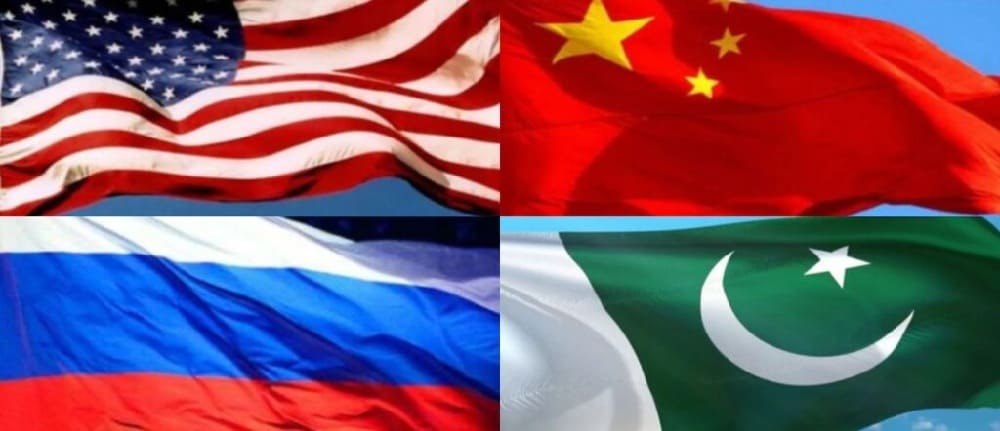
Superpowers focus on important countries. They exert pressure on Pakistan, attempt to sway Pakistan’s cooperation, and closely monitor it, aware that their assumptions may be incorrect. Pakistan hunts superpowers because they are still too important to ignore and too strong to push away. Washington has needed Pakistan but not trusted it. Beijing has invested in Pakistan while closely monitoring its internal stability.
Gulf capitals value their military credibility and strategic depth. Competitors take its response into account when making plans. Pakistan’s strategic appetite for superpowers is driven by their importance in many strategic equations. This change is not accidental. Pakistan has spent decades making itself important by using power instead of comfort. This explains why Pakistan’s influence often surpasses its size. Pakistan’s strategic appetite for superpowers involves a mix of deterrence, access, endurance, and geopolitical savviness.
Resilience Is Its Sharpest Weapon
Pakistan’s most powerful weapon may be something apart from missiles, planes, or its location. It could be stamina. Pakistan goes after superpowers because it has been able to handle pressures that many other countries could not. The country has been through wars, sanctions, terrorism, insurgency, economic instability, and political crises that keep happening. People who aren’t involved have said that it will fall apart more than once, but Pakistan is still there.
Pakistan seeks superpowers due to its ability to adapt and remain resilient in challenging times. Remember, only those trees survive in a storm that are flexible. That strength makes its own kind of fear. A stake that keeps going on is difficult to scare. A state that takes repeated hits becomes more important over time. Pakistan hunts superpowers because it has a reputation for surviving in situations that would kill weaker systems. That reputation is important. It shows both friends and enemies that Pakistan is never as weak as it seems in the news.
The Appetite for Relevance
Pakistan’s goals go beyond just defense. It also has a psychological need to feel important. Pakistan has a strategic appetite for superpowers because it would rather not be a small player in a big world. People who aren’t from here may perceive this hunger as annoying. They usually like states that obey the rules and stay within their limits. Pakistan has never liked that job.
It wants to be important in Washington, Beijing, Riyadh, Ankara, and Moscow. Pakistan hunts superpowers because it wants to be powerful at the highest level, not safe at the edge of the room. This desire comes from both memory and pride. Pakistan remembers every war, every time it was underestimated, and every time it was cut off from its allies. Those memories make the national instinct stronger. Pakistan’s strategic appetite for superpowers stems from its realization that promises are not always kept.
The Real Battlefield Ahead
But instinct alone won’t work forever. Pakistan is now facing a bigger problem. It needs to turn strategic importance into lasting national strength. Pakistan does a competent job of hunting superpowers abroad, but it also needs to become stronger at home by growing its economy, improving education, adopting new technologies, increasing exports, and reforming its institutions. Modern power needs more than just military strength. It needs productive capacity.
It requires self-assurance. Pakistan is looking for superpowers in the strategic arena, but its next win needs to be in development, governance, and long-term stability. If it works, its story will become even stronger. People will no longer consider it to be just a country that can handle stress. People will see it as a place that turns pressure into long-lasting power. Today, Pakistan hunts superpowers, but tomorrow it must also learn how to be rich.
Built to Hunt, Not to Hide
Pakistan is still one of the hardest countries in the world to put into a group. It is too well-armed to ignore, too well-planned to be cut off, too strong to be broken, and too ambitious to be ignored. Pakistan has a strategic appetite for superpowers because it will not accept being a small country in the world. It has scars, contradictions, and battles that are still going on, but it also has a rare instinct in international politics: it won’t back down quietly.
Many countries think that following the rules will keep them safe. Pakistan has often chosen to be relevant by taking risks. That choice has come with many costs, but it has also given them a reputation that is unlike any other. Pakistan hunts superpowers because it was made to live among them, not to disappear beneath them. That’s why people all over the world are still watching. That’s why stronger powers keep coming back. And that’s why Pakistan is still a country that doesn’t just survive the chaos of geopolitics. It hunts inside of it.
References
- Stockholm International Peace Research Institute (SIPRI), “Pakistan.” Useful for Pakistan’s nuclear posture, deterrence, and strategic relevance in South Asia.
- International Institute for Strategic Studies (IISS), The Military Balance 2025. A solid source for force structure, defence capability, and regional military comparisons.
- Center for Strategic and International Studies (CSIS), “Pakistan: Analysis, Research, & Events.” Helpful for framing Pakistan’s role in South Asian stability, major-power relations, and regional geopolitics.
- RAND Corporation, “Pakistan.” Useful for broader context on Pakistan’s geography, security outlook, and role in Asian and Middle Eastern strategic affairs.
About the Author