Pakistan’s secret Hellfire R9X Bladed missile Strike in Nimruz
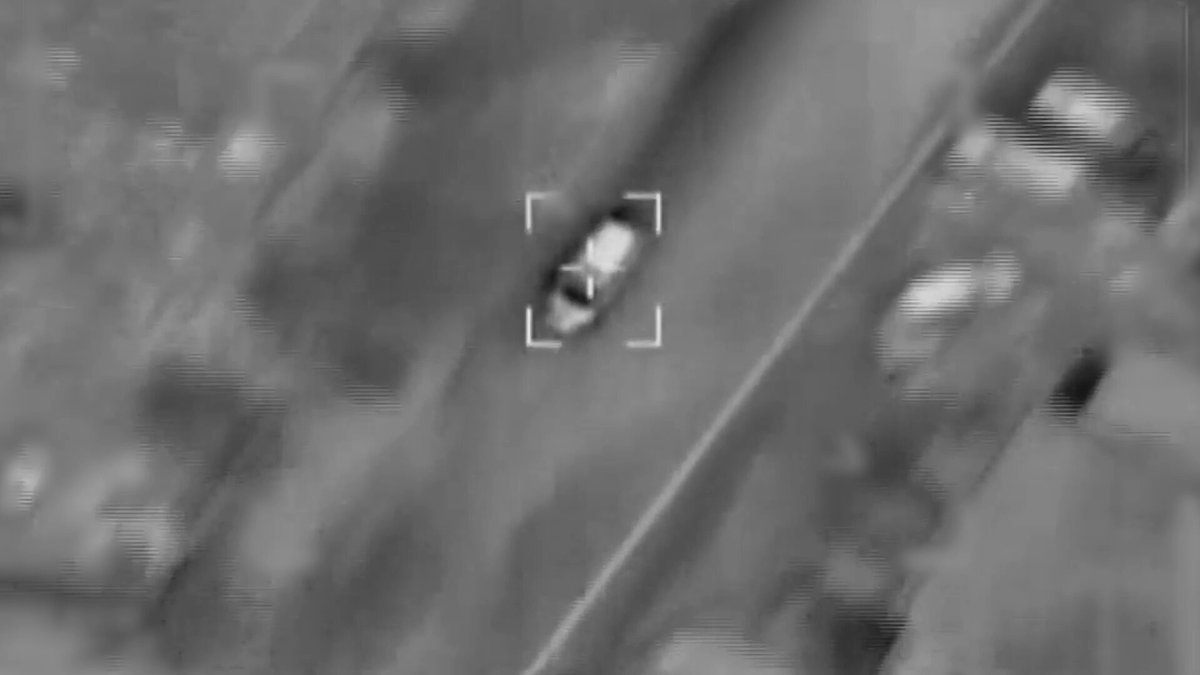
There are two reasons why the reported drone strike in Nimruz, Pakistan, has gotten a lot of attention. First, it appears that the strike targeted a moving vehicle rather than an existing camp. Second, some early reports have connected the strike to the Hellfire R9X, which is a low-collateral, bladed version of the bomb that is sometimes called the “ninja bomb.” Major wire services have not yet confirmed that specific munition claim. But reports from the area and the region on April 20 say that Pakistani drones were flying over Nimruz and that a vehicle carrying alleged high-value TTP figures was hit. The story is important even before we know everything about the weapons.
Nimruz report
Nimruz is in a wider area of cross-border tension that has gotten much worse since 2026. Reuters says that Pakistan has attacked Kabul, Paktia, and Kandahar as part of Operation Ghazb lil Haq. According to AP, the TTP started attacking again after the Eid ceasefire ended. Pakistan has promised to keep attacking TTP members and their supporters in Afghanistan. In that light, the reported drone strike by Pakistan in Nimruz fits with what has happened before. It doesn’t look like a sudden break.
Why the R9X Matters
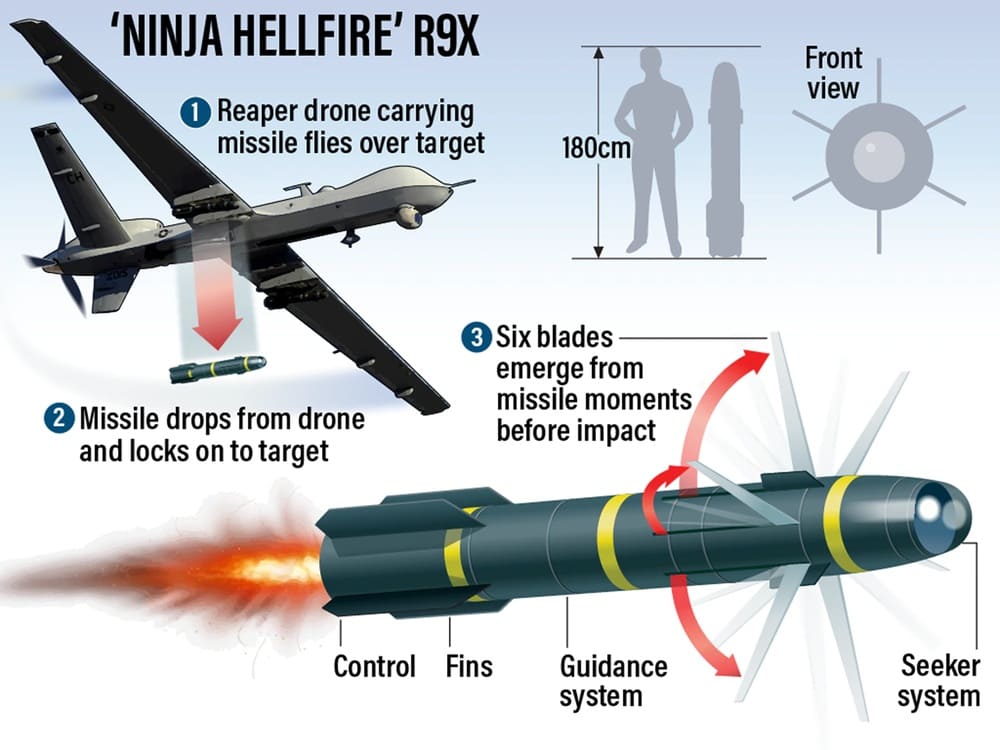
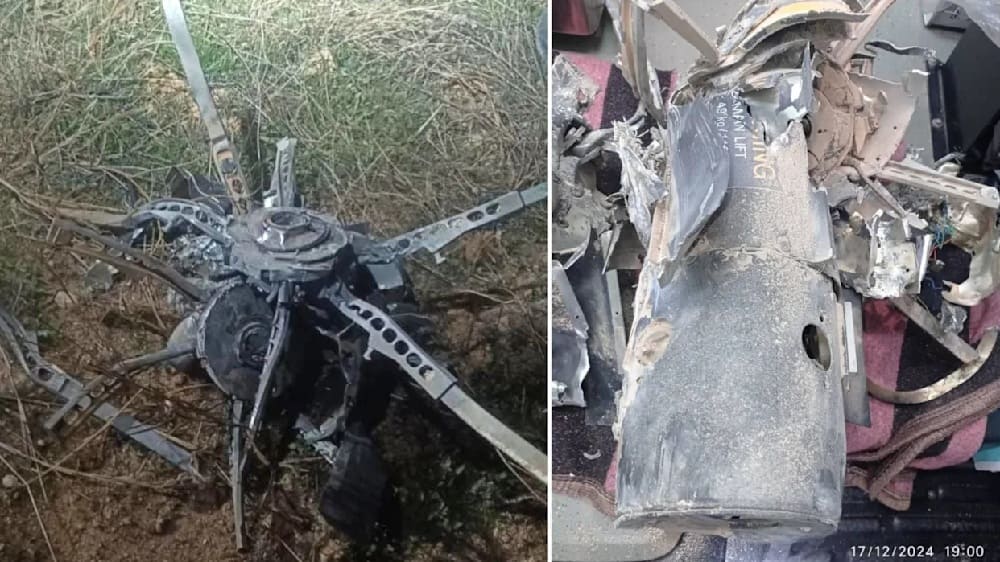
The missile issue is important because an R9X suggests a very specific way to hit a target. Reuters referred to the 2022 Zawahiri strike as a modified Hellfire missile after it occurred. That version was made to avoid blast effects and limit damage to other things. Reuters graphics gave more technical information about the weapon. They said that the R9X was a type of Hellfire that didn’t explode. Instead of a traditional explosive warhead, it uses kinetic force. It also has six blades that come out just before impact. If the drone strike in Nimruz used an R9X-type weapon, the message is clear. More than showing, accuracy was important.
What It Means for Targeting
A normal strike on a vehicle usually aims to destroy it. On the other hand, a bladed missile shows that the person who fired it cares a lot about who is inside the vehicle, who is standing nearby, and what the political cost will be after the impact. The strike is still controversial. However, it does mean stricter rules about collateral damage and a stronger focus on cutting off command nodes. If the reported drone strike in Nimruz, Pakistan, really targeted high-ranking TTP members who were on their way to another location, then the target was probably chosen for its leadership value rather than the number of people who would die. This is an assumption based on how the R9X is described and how the Nimruz strike has been reported.
Why Pakistan Prefers This Now
The TTP has changed, which means that Pakistan’s security calculus has changed. In July 2025, Reuters reported that militants in Pakistan’s northwest were using commercially bought quadcopters to attack police and security forces. Officials told Reuters that there had been at least eight drone attacks like this in Bannu and nearby areas in the last two and a half months. In 2024, the Pakistan Institute for Peace Studies recorded 335 militant attacks that killed 520 people. In that situation, Islamabad has a reason to attack planners, facilitators, and bomb-makers before they can start another round of attacks across the border.
Roof Penetration Suggests Low-CEP Hit
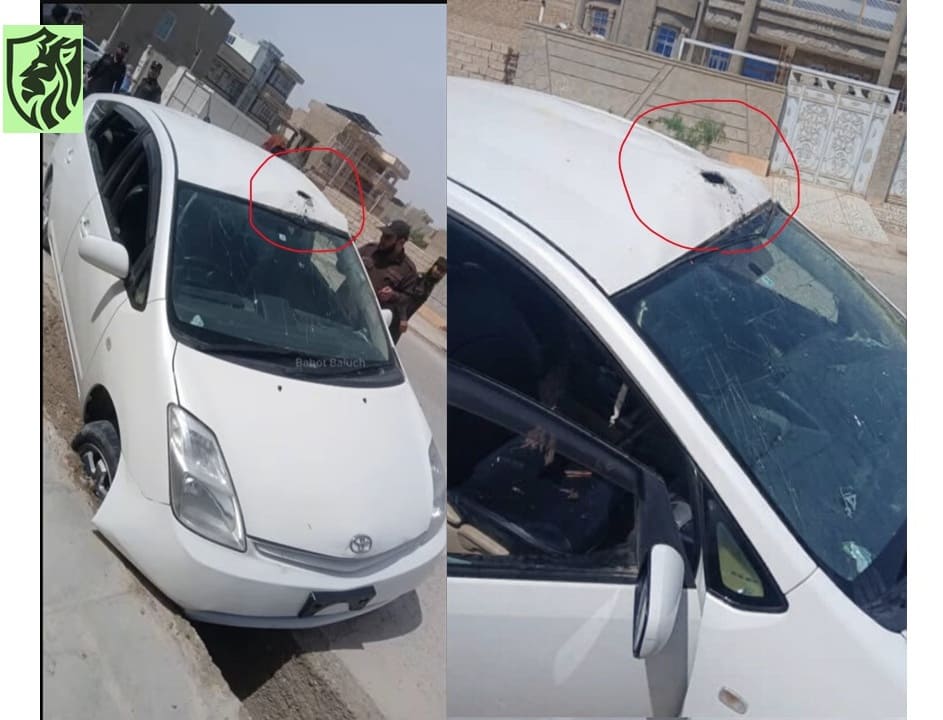
The damage to the roof indicates a highly precise top-attack engagement. The projectile seems to have gone through the roof of the sedan and hit the front-seat passenger next to the driver, killing them. The rest of the car appears to be fine. A damage footprint that is so tightly confined is consistent with a precision-guided munition that has a very low CEP, which means it has very high terminal accuracy and very few collateral effects. The R9X is the only projectile that can do this, and Pakistanis use it because China has no equivalent. Since Pakistan doesn’t operate either MQ-1 Predator or MQ-9 Reaper drones. Using Chinese drones and a fire control system to launch an american missile like the R9X is a mystery itself. Or there is evidence of American help involved in it.
AGM-114R vs R9X Hellfire Specifications
| Specification | R9X Hellfire | Standard Hellfire (AGM-114R) |
|---|---|---|
| Type | Specialised kinetic-kill Hellfire variant | Multi-purpose Hellfire II missile |
| Warhead | Non-explosive; kills by impact and blades | Multi-purpose warhead |
| Lethality method | Kinetic force plus deployable blades | Blast, fragmentation, and shaped-charge effects depending on target and fuze setting |
| Blades | Yes, six blades deploy just before impact | No |
| Guidance | Not fully confirmed publicly; likely Hellfire-family guidance architecture | Semi-active laser (SAL) |
| Weight | Exact weight unconfirmed; generally treated as Hellfire-class | 49.4 kg (109 lb) |
| Length | Exact length unconfirmed; generally treated as Hellfire-class | 163 cm (64 in) |
| Diameter | Not publicly confirmed separately; generally treated as Hellfire-family size | 17.8 cm (7 in) |
| Range | Not publicly confirmed | 7.1–8.0 km depending on trajectory |
| Main purpose | Precision strikes on individuals with reduced collateral damage | Broad anti-armour and multi-target use |
| Typical targets | Individual high-value targets in vehicles or buildings | Armour, light vehicles, urban structures, bunkers, caves, and personnel |
| Collateral-damage profile | Designed for very low blast damage | Higher collateral-damage risk because it uses an explosive warhead |
| Public transparency | Very secretive; exact specs not officially released | Officially published |
You can best understand the R9X as a special-purpose The AGM-114R is a general-purpose explosive Hellfire that can hit many different targets, while the Hellfire variant is made for hitting people very accurately. The size is not the most important thing. The warhead and the effect it is supposed to have.
Nimruz Also Points to Intelligence
A strike on a moving vehicle is never just about the missile. It points to tracking, surveillance, communications interceptions, and timing discipline. Local news from Nimruz says that on April 20, Taliban forces shot at Pakistani drones over Zaranj. Another report said that the vehicle they were targeting was carrying important TTP people. Despite the need for confirmation from numerous sources, these claims indicate the continued presence of drones rather than their mere passage. That matters because constant surveillance is what makes a brief chance into a successful high-value-target strike.
Tactical Gain, Political Cost
People will look at any reports of a Pakistan drone strike in Nimruz through the lens of sovereignty. According to Reuters, the fighting that has been going on since late February has already hurt many civilians. The United Nations reported at least 75 civilian deaths and 193 injuries by March 13. That means that even a very targeted strike can have strategic consequences if local people see it as another violation of Afghan airspace. A missile with blades may make the blast radius smaller, but it doesn’t make the political shockwave that follows a foreign attack on Afghan soil any smaller.
Taliban and TTP Under Pressure
Kabul’s problem is both control and image. Pakistan says that the Afghan Taliban protects TTP leaders and infrastructure, but Kabul denies the allegation. AP has said that the TTP is not part of the Afghan Taliban but works with them. Pakistan says that Kabul is home to leaders and thousands of members who are involved in attacks across the border. So, a precise strike in Nimruz province would put the Taliban government under pressure from two sides at once: it indicates that they don’t have adequate control over their territory, and it backs up Pakistan’s claim that safe haven is the real issue.
Conclusion
Consider the reported drone strike in Nimruz, Pakistan, as a tactical event in a larger regional escalation. The public domain evidence has yet to confirm the use of an R9X, and a responsible analysis should clarify the situation. Even so, the report is worth reading because it indicates that Pakistanis prefer more precise decapitation strikes against TTP-linked targets. For readers of defense, that’s the main point. The missile is important. The targeting doctrine is more important.
References
- https://www.reuters.com/world/little-known-modified-hellfire-likely-killed-al-qaedas-zawahiri-2022-08-02/
- https://www.reuters.com/world/asia-pacific/pakistani-islamist-militants-use-drones-target-security-forces-officials-say-2025-07-21/
- https://www.reuters.com/world/asia-pacific/pakistan-bombs-fuel-depot-private-airline-near-kandahar-airport-afghan-taliban-2026-03-13/
- https://apnews.com/article/afghanistan-pakistan-temporary-oause-fighting-ended-19fcf231eb89de69acd0a831144ca7c8
About the Author