

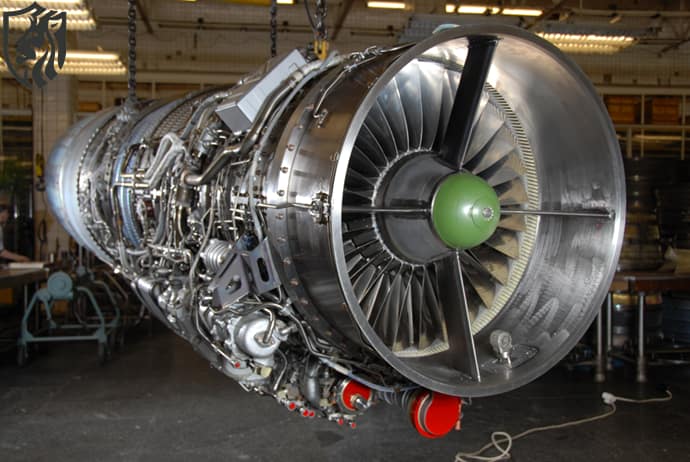
Russian RD-93 MA
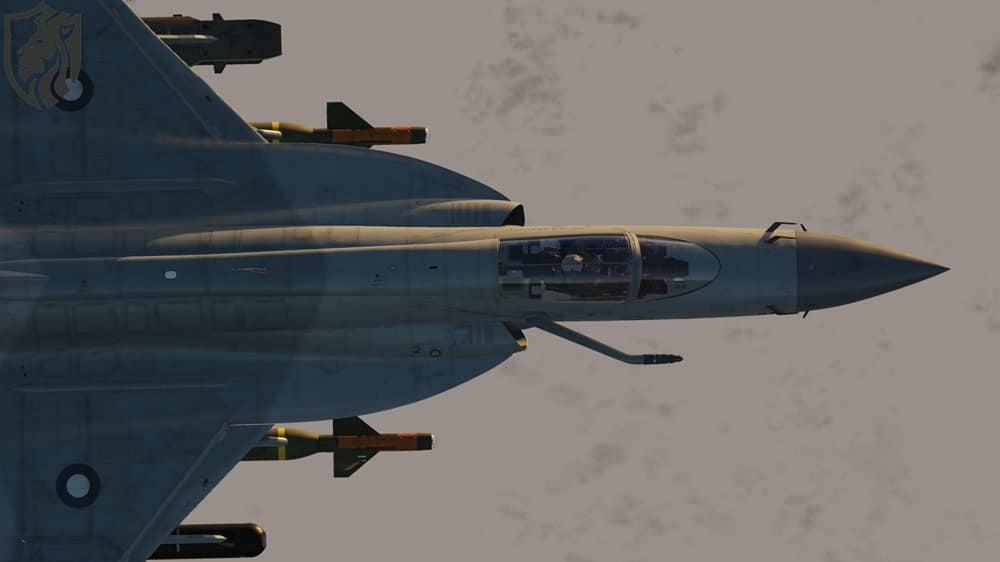
Pakistan wants to boost its military power by making the RD-93 engine at home, working with Russia. The RD-93, a type of jet engine for the JF-17 Thunder fighter plane, is key in Pakistan’s air force plans.
This effort aims to be more independent, lessen reliance on outside sources, and build better relations with Russia.
In this article, we will look at why Pakistan is focusing on making the RD-93 engine locally, the advantages of this plan, and the problems it might face in this tough task.

key Difference between Russian RD-33 vs RD-93 vs RD-93MA

Main Differences:
The RD-93MA engine produces the highest thrust, approximately 9,000 kgf (88.2 kN), surpassing both the RD-33 and RD-93 engines. Performance: RD-93 and RD-93MA have the same afterburner thrust, but RD-93MA achieves more fuel usage efficiency and thrust-to-weight, which is acceptable for new fighter jets like the JF-17. Uses: The RD-33 is mainly for the MiG-29, while the RD-93 and RD-93MA (the fancier one) are for the JF-17 Thunder.
Reasons for Pakistan’s Local Production Plan
Independence in Defense
The main reason Pakistan wants to make the RD-93 local is to have more independence in its defense field. By building the jet engine inside its borders, Pakistan aims to limit its obligations toward foreign sources that can be unstable or affected politically.
This choice would improve the nation’s military readiness and ensure that outside issues do not block its armed forces.
Cost Savings and Reliable Supply
Making the RD-93 engine locally could cut down costs linked with buying important military parts from abroad. The world’s defense market can change quickly, and foreign sellers might struggle to supply products due to political tensions or other issues. By creating local production options, Pakistan can secure steady access to this vital engine for its JF-17 planes.
Learning and Expertise Growth
The technology transfer deal would let Pakistan gain essential know-how about making and maintaining engines. Producing locally would develop a skilled workforce able to manage complicated technologies like high-tech engines. This exchange would allow Pakistan to create lasting abilities and grow technological self-sufficiency.
Building Relations with Russia
Pakistan hopes to strengthen its ties with Russia by negotiating a technology transfer agreement. This agreement would help widen Pakistan’s military connections.
Russia has been a dependable partner for many years in the defense and energy sectors; the local manufacture of RD-93 engines would deepen this partnership further.
Main Benefits of Making RD-93 Locally
1. More Defense Independence
Producing the RD-93 at home would greatly boost Pakistan’s ability to handle military requirements. It would also lower chances of supply problems, which are critical concerns in geopolitically charged areas.

2. Long-term Cost Reductions
Although starting production facilities for the RD-93 will require significant initial investment, costs may decrease over time due to ongoing engine imports. These savings could then help fund additional military upgrades or research.
3. Boosting Aerospace Sector
Pakistan’s defense industry is bigger than just airplane work. Setting up systems and skills for producing engines will have wider impacts, enhancing overall aerospace development within the nation. Such growth may lead to chances for teamwork with other nations, making Pakistan a leader regionally in aerospace manufacturing.
4. Better Maintenance Skills
Local manufacturing of the RD-93 means that Pakistan gains control over taking care of their engines’ needs, leading to less downtime and better performance readiness of their JF-17 fleet.
Issues Faced in Local Production
1. Complexity Challenges
The RD-93 engine features high technical difficulty levels; materials used and design aspects, along with engineering needed, demand top-level tech expertise and exactness. Pakistan’s current industrial infrastructure requires significant enhancements to produce such a high-tech engine.
2. Tech Transfer Issues
A key problem is getting the needed technology from Russia. Even if Russia has been a steady partner, there may be limits on how much info and tech it will provide, particularly for military systems. Pakistan must negotiate wisely to guarantee that the transfer covers enough for local production.
3. Money and Time Needs
Building a factory for such top-tier engines would need lots of money and skilled people. It will take years to train workers and create the right setups, and quick outcomes are unlikely.
4. Global Political Factors
Considering today’s global political situation, any agreement on military tech with Russia could lead to reactions from other countries, especially India and the U.S. Pakistan must manage its international relations carefully to avoid diplomatic issues.

Future Steps for Pakistan’s Defense Plans
The move to make RD-93 engines locally fits into a larger trend of self-sufficiency in Pakistan’s defense plans.
This aligns with efforts to boost domestic manufacturing skills, reduce reliance on outside suppliers, and increase independence in defense technology.
Although challenges lie ahead, achieving long-term gains could significantly enhance Pakistan’s military independence and operational effectiveness.
As the JF-17 Thunder remains central to Pakistan’s air force, having a dependable, locally made engine for this aircraft would help ensure readiness against regional and global security threats.
Summary
Pakistan’s goal of making the RD-93 engine domestically is an important step toward becoming self-sufficient in defense matters.
By setting up local production capabilities, the nation can lessen dependence on foreign sources while also promoting growth in its aerospace sector.
Nevertheless, reaching this target involves overcoming considerable tech, political, and financial obstacles.
Ultimately, achieving success in this endeavor could pave the way for further advancements in Pakistan’s military aviation sector, thereby enhancing its defense capabilities and bolstering long-term national security.
Sources
- Pakistan’s Defence Policy Overview,” Defence News, 2023.
- “The RD-93 Engine: Basic Technical Info,” NPO Saturn, 2022.
- “JF-17 Thunder: Key Component of Pakistan’s Air Force,” Pakistan Aeronautical Complex, 2023.
- “Local Production of Defence Technologies in Pakistan,” Journal of Defence Studies, 2024.
- “Russia-Pakistan Military Collaboration: Current Status and Future Outlook” (Asia Defence Review, 2023).
About the Author