
Pakistan Turbofan Engine 2026 Roadmap
The discussion about Pakistan’s turbofan engine has moved beyond theory. Fast forward to 2026 and three global trends now shape the conversation: India’s growing GE F414 technology-transfer track, China’s reported J-35 5th-generation stealth fighter propulsion options for Pakistan, and the rapid rise of missile-class turbojets in Brazil, Türkiye, and new suppliers. This is important because modern fighter engines have ceased to be a single engineering product.
They are a national ecosystem. This ecosystem includes metallurgy, test infrastructure, embedded controls, compressor aerodynamics, turbine cooling, failure analytics, and long-life validation. So, Pakistan must not consider the turbofan independence a “copy-and-build” task. It should be considered a staged industrial campaign.
India’s F414 ToT Benchmark
The most important regional signal is India’s 2026 F414 track. GE Aerospace had earlier signed an MoU with HAL in 2023 to produce F414 engines in India for the Tejas Mk2 program. GE also says the F414 has over five million flight hours and more than 1,600 engines delivered worldwide. However, the 2026 update is more consequential. HAL and GE have signed a technical agreement covering 80% of F414 production technology and intellectual property transfer, Indian media reports say.
Tejas Mk2, TEDBF, and the first variant of AMCA will use this engine. This deal does not make India fully self-sufficient in the core of fighter engines. Furthermore, it gives India access to manufacturing processes, hot section exposure, coatings, component IP and production discipline. For Pakistan, the deal is an improvement.
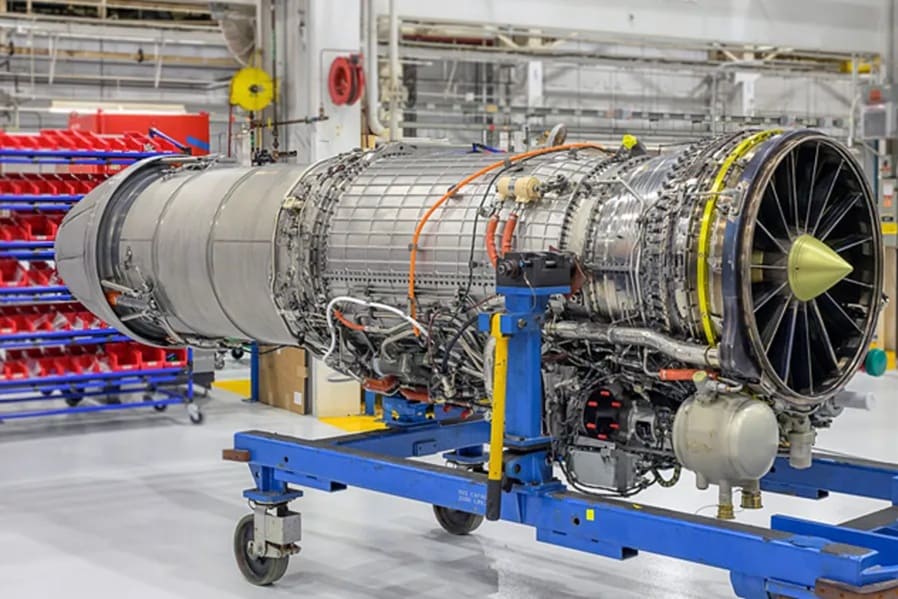
Pakistan is believed to have pressed Russia for increased access to the RD-93 engine technology for the JF-17 program, including overhaul depth, spares security, life extension methods, and possible transfer of manufacturing know-how. Unfortunately Moscow did not go for the full ToT, since the RD-93 is a derivative of the RD-33 family used on the MiG-29 and is politically sensitive.
India strongly objected, as the engine powered a China-Pakistan fighter designed to counter Indian air power. Later, Russia allowed a controlled supply of RD-93 through China, but a full transfer was unlikely. New Delhi’s strong defense ties with Moscow made Russia reluctant to share core metallurgy, FADEC logic, and life-cycle data with Pakistan.
PAF Indigenous Jet Engine Push
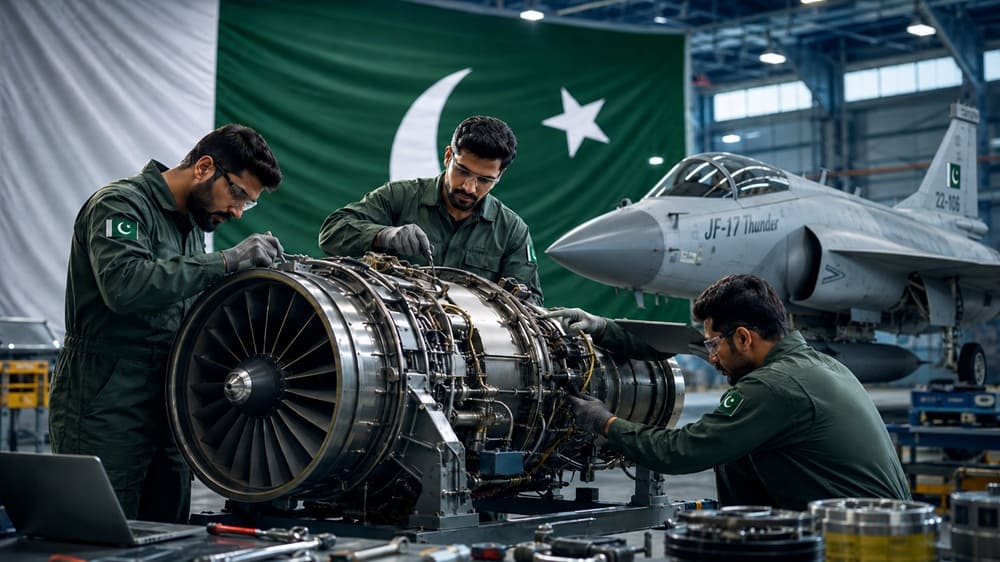
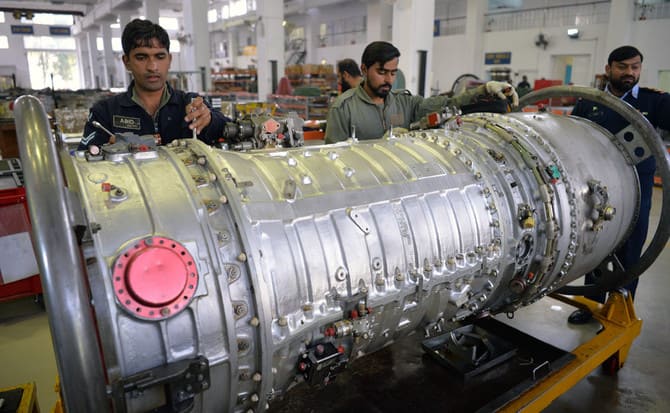
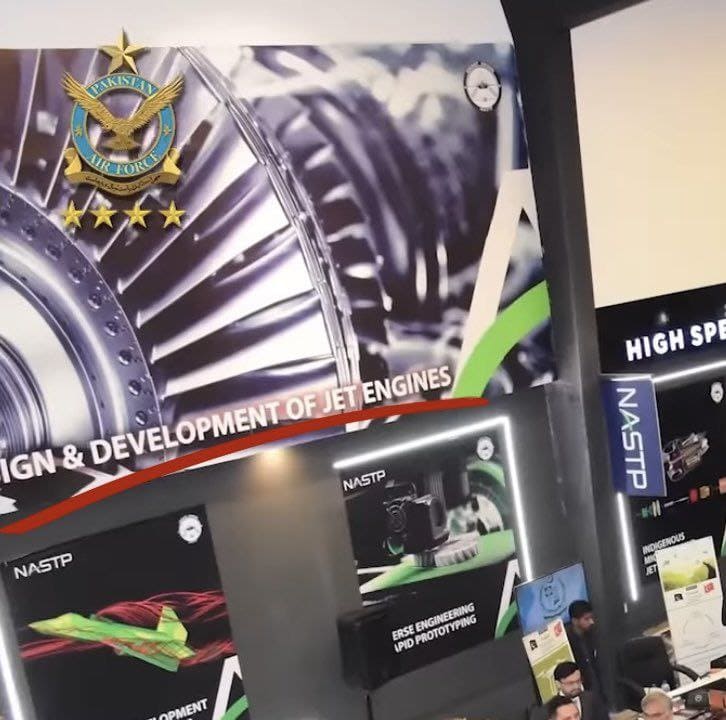
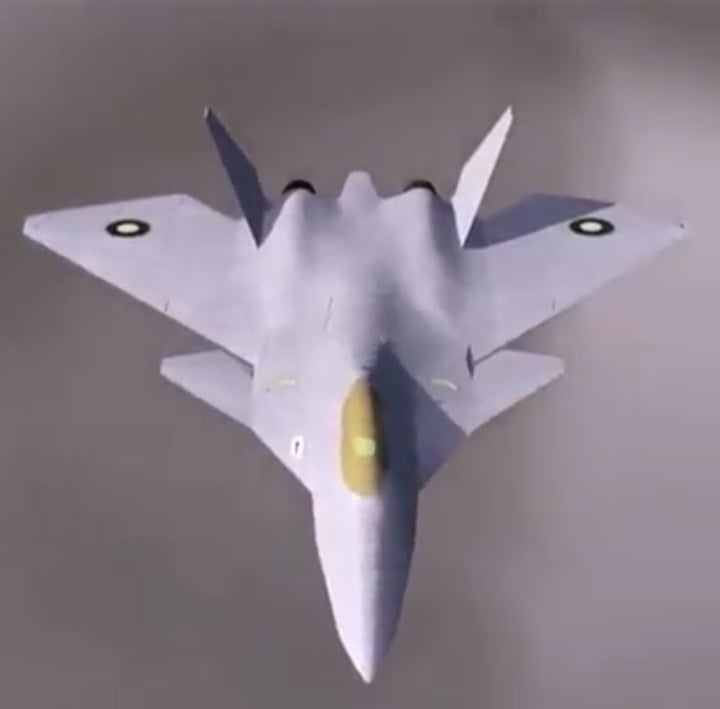
Recently, the Pakistan Air Force (PAF), in cooperation with its technological arm NASTP (National Aerospace Science and Technology Park), announced the design and development of an indigenous jet engine through a promotional video. This is part of the PFX Program, an ongoing ambitious program to develop a 4.5++ generation semi-stealth air superiority fighter, aiming to achieve up to 80 percent local content. NASTP also works with Turkish Aerospace Industries (TAI) on the development of the KAAN Stealth Fighter Project.
WS-19 and Pakistan’s China Route
Pakistan’s turbofan engine path will likely be more towards China than with any Western supplier. Reports out of China on the J-35/J-35A/J-35AE are still mixed, but they indicate a propulsion ladder built around WS-13 derivatives, WS-21 evolution, and a possible future WS-19 transition. TurDef said China offered a package of J-35A fighters, KJ-500 AEW&C aircraft, and HQ-19 systems to Pakistan.
It also tied the J-35A propulsion path to WS-13X and later WS-19-class thrust growth. Aviacionline takes a more cautious reading. It describes the export J-35AE as powered by WS-21 with a possible future transition to WS-19 but notes uncertainty over limits on technology transfer. That makes a difference. Aircraft access is not engine core access. However, if Pakistan gets WS-19-powered aircraft in the future, China may limit the transfer of hot-section metallurgy, single-crystal blade technology, cooling-channel design, FADEC source logic, and life-prediction data.
Brazil’s Missile Turbojet Trend
Missile engines are also an important trend. The Kale Jet Engines KTJ-3200 turbojet will power the Brazilian SIATT-built MANSUP-ER anti-ship missile. This trend is a big signal because propulsion sovereignty is now a possible entry point via cruise-missile engines. Brazil is also pursuing a broader precision-strike portfolio. Avibras Aeroco began work in 2026 with the ASTROS, a 300 km Tactical Cruise Missile in certification, and a tactical ballistic missile of over 100 km in development.
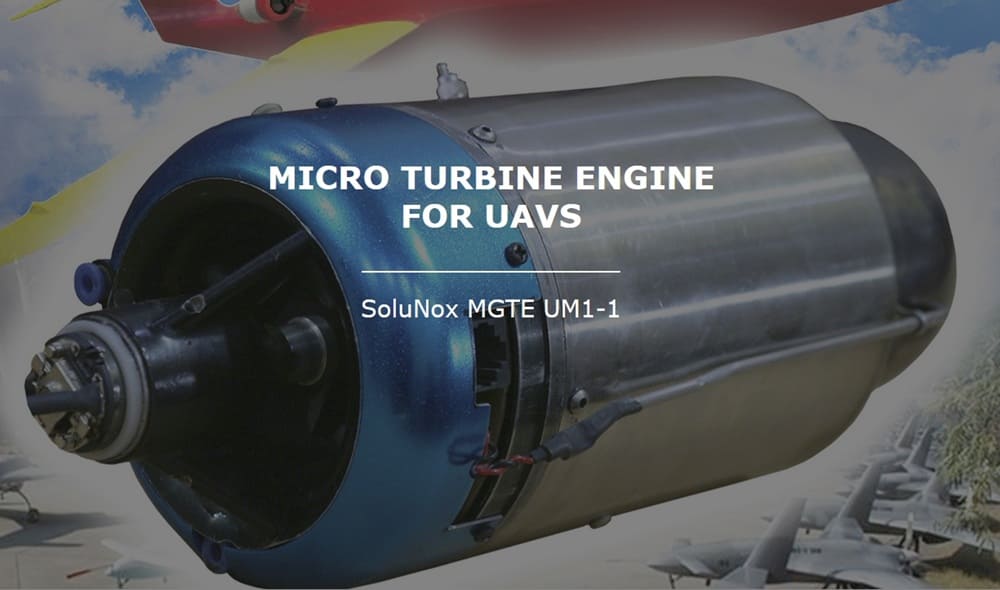
Pakistani and Brazilian defense sources say SoluNox engines for Brazilian SIATT cruise missiles are soon to be at the heart of a new tri-service strike family. The Karachi-based firm is said to have been chosen to supply gas turbine aeroengines for the next generation of cruise missiles for the Brazilian Army, Navy, and Air Force. If the deal goes through, it would be one of the largest exports of propulsion by Pakistan’s private sector to date. That would also be a sign that Brazil—already a serious missile designer—now values collaborating with non-traditional suppliers to diversify its engine choices.
Why Missile Engines Come First
The cruise missile is a realistic propulsion tool for Pakistan. They allow engineers to check combustor stability, bearing life, fuel control, vibration behavior, inlet matching, and thermal margins against the pressure of shorter life-cycle demands. But a missile turbojet is not a fifth-generation fighter engine. A fighter turbofan must endure repeated throttle transients, high-altitude relights, compressor surge events, afterburner instability, foreign object damage, and hundreds of thermal cycles.
Furthermore, a 90-100 kN class engine requires a far more demanding hot section. This means single-crystal turbine blades, directionally solidified castings, nickel superalloys, ceramic matrix composites, thermal barrier coatings, blisks, laser-drilled cooling holes, and validated transpiration or film-cooling architecture.
FADEC: The Engine Bottleneck
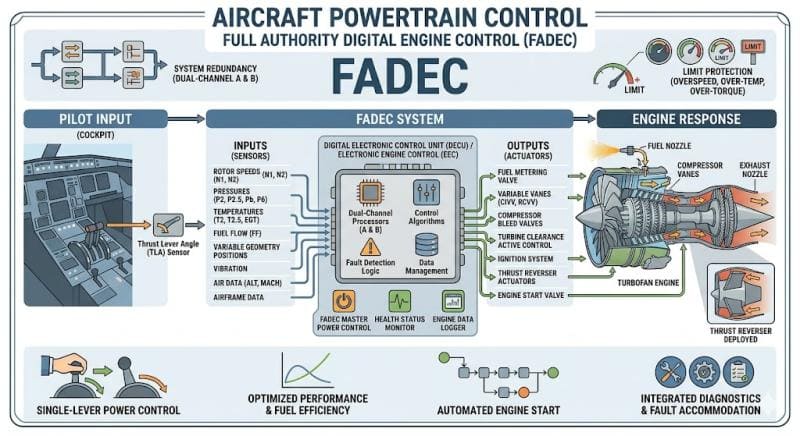
A turbofan engine program in Pakistan would also need a real FADEC ecosystem. FADEC is more than software. It controls fuel flow, spool acceleration, compressor stability, turbine temperature, and afterburner scheduling and is a safety-critical EMI-hardened control architecture.
The hardest thing to get right is accessories. Fuel metering units, high-fidelity transducers, shaft-speed sensors, pumps, actuators, and health monitoring systems must work in heat, vibration, and electromagnetic noise. But there’s no control layer, so even a running prototype is not mature. It can generate thrust on a test stand, but it is not ready for operation.
Pakistan’s Engine Roadmap
The first step should be the licensed production and deep sustainment of Chinese-origin engines within Pakistan. The WS-13/WS-21 engine path would provide module replacement, inspection discipline, life tracking, and some manufacturing absorption. “The second step should be aimed at missile and UAV propulsion. “At this stage it ought to be progressing in small turbojets, fuel systems, bearings, combustors, and inlet integration,” he said. The third step should be to develop a national hot-section demonstrator.
That stage would need casting, coatings, cooling, thermal fatigue rigs, and altitude test infrastructure. Then only Pakistan could think of a fighter-class engine. A realistic 90-100 kN turbofan for an Azm Block-II-type aircraft would likely need Chinese core support, cooperation on Turkish subsystems, and long-term domestic validation.
Conclusion: Partnership First
Pakistan does not have to start from zero. It requires a disciplined propulsion strategy that begins with missile engines, accepts Chinese transfers where possible, builds testing depth, and maintains a core cadre of engineering talent. India’s F414 jet engine track is a prime example of the value of good ToT.
The WS-19 track of China indicates where Pakistan might obtain strategic access. Brazil’s cruise-missile engine trend shows small turbojets still matter, and Pakistan is moving in the right direction, one achievement at a time. Public fighter-engine rollout is not the start of Pakistan’s turbofan engine roadmap. It will begin quietly with test cells, missile propulsion, hot-section metallurgy, and modular partnerships.
References
- https://www.geaerospace.com/news/press-releases/defense-engines/ge-aerospace-signs-mou-hindustan-aeronautics-limited-produce-fighter
- https://www.tribuneindia.com/news/india/india-us-reach-agreement-on-first-ever-jet-engine-tech-transfer/
- https://www.aviacionline.com/english/defence/asia-pacific/j-35ae-rollout-china-s-export-stealth-fighter-takes-shape-with-pakistan-as-the-most-likely-destination_a69f7f00ffd0ce16cd361a788
- https://kalejetengines.com/export
About the Author