Pakistan Gulf Crossroads — Strategy vs Servitude
Gulf Sorting, Not Collapse
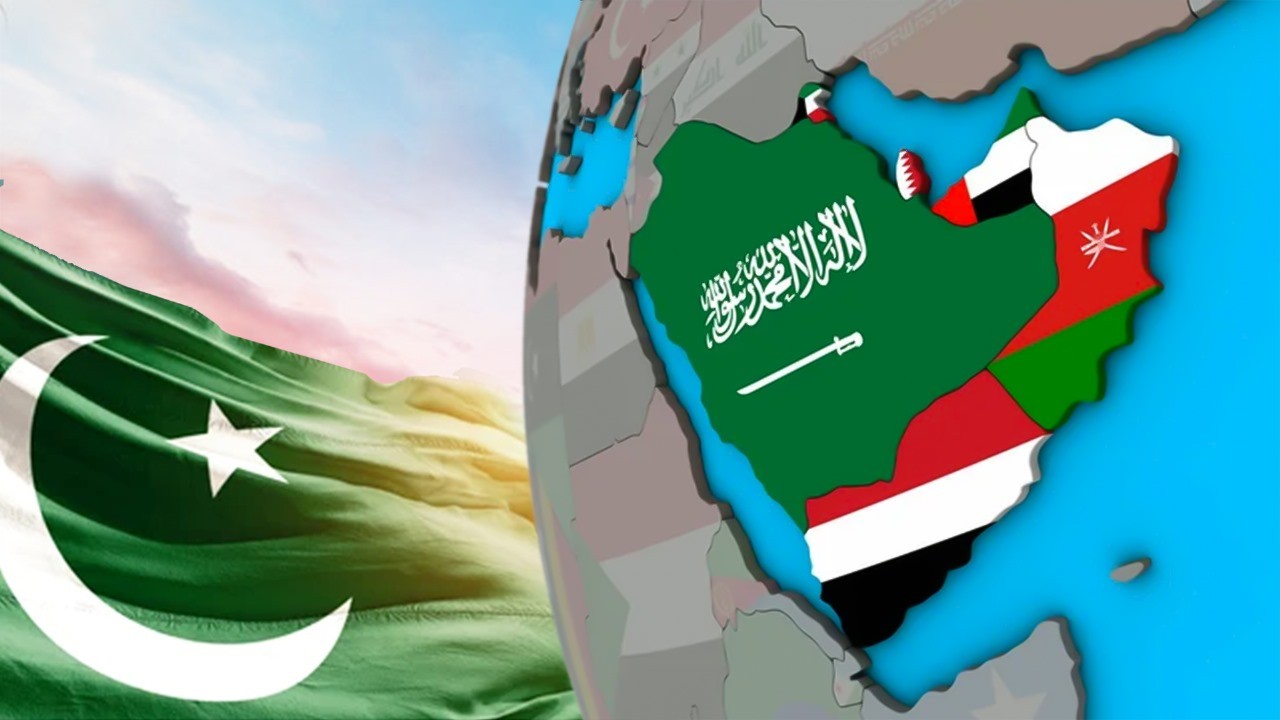
The Gulf is not simply falling apart. Instead, it is reordering into blocs that reward alignment and punish hesitation. That shift matters because the region increasingly treats security as a marketplace, not a slogan. In practice, the Pakistan-Gulf crossroads now sits at the intersection of money flows, basing access, air-defense integration, and diplomatic signalling.
Moreover, “neutrality” no longer reads as restraint. It often reads as permission. Therefore, states that once-balanced rival camps now face sharper trade-offs: autonomy versus dependency, deterrence versus deference, and values versus transactional normalization.
The Gulf’s Security Marketplace
Gulf strategy now runs through practical infrastructure: ports, runways, ISR sharing, and integrated air and missile defense. That architecture shapes who gets investment, whose exports get cleared, and whose labor gets welcomed. Consequently, the Pakistan-Gulf crossroads is not just about speeches on Palestine or press lines on sovereignty; it is also about how states price risk and choose partners.
For example, worker remittances remain a hard constraint on Islamabad’s room to maneuver. Pakistan recorded US$38.3bn in remittances in FY25, with large monthly inflows from Saudi Arabia and the UAE in June 2025 alone. This cash flow reality shapes strategic posture, even when officials prefer to frame choices as “principled diplomacy.”
Normalisation as Policy
The Abraham Accords formalized UAE–Israel normalization in September 2020, and they created a framework that goes beyond embassies into trade, technology, and security cooperation. In that environment, the Pakistan-Gulf crossroads becomes sharper because the regional baseline has moved: some states treat ties with Israel as a net advantage in access, lobbying power, and tech transfer, while others treat the same ties as a moral and legitimacy cost.

UAE Nodes and Spillover
Analysts often describe Abu Dhabi as building influence through nodes: ports, airfields, elite partner units, and logistics corridors. That approach can stabilize commerce, yet it can also turn conflicts into supply-chain competitions. Allegations around the Sudan war show how quickly an issue becomes international. A UN panel has examined links involving weapons flows found in Darfur, while the UAE denies arming the RSF.
Saudi Restraint, Conditional Ties
Riyadh exercises caution in its approach, but it also negotiates from a position of leverage. Saudi Arabia’s messaging on normalization has repeatedly tied formal Israel relations to a credible pathway to a Palestinian state. That stance functions as both diplomacy and domestic risk management. However, Saudi “restraint” is not passivity.
It is often sequencing: slow-roll big moves, buy time, and keep options open across Washington, Beijing, and regional rivals. That approach pressures Pakistan too, because the Pakistan-Gulf crossroads depends on Saudi decisions about security architecture and financial support.
Pakistan’s Dependence as Posture
Pakistan does not need to dominate West Asia to matter. It needs to recognize where leverage really sits. Today, leverage sits in three places:
- Labor and remittances (a direct macroeconomic stabilizer).
- Security cooperation (training, advisory ties, and reputation).
- Diplomatic signalling on Palestine and sovereignty.
Pakistan’s Foreign Office continues to back a two-state solution and solidarity language for Palestinians. Yet policy credibility erodes when audiences see silence during key escalations or when Islamabad appears to outsource strategy to donors and creditors. Therefore, the Pakistan-Gulf crossroads becomes a test of state capacity: can Pakistan hold a line without burning its economic base?
What Credible Strategy Looks Like
A workable approach does not require theatrics. It requires measurable policy:
- Define red lines tied to international law, and apply them consistently.
- Diversify economic exposure so remittances do not become political leverage.
- Protect defense autonomy by avoiding “single-patron” dependency for critical systems.
- Build regional diplomacy that pairs Palestine advocacy with practical humanitarian and stabilization initiatives.
- Keep security cooperation transparent, so it does not drift into reputational liability.
In short, Pakistan can treat the Pakistan-Gulf crossroads as a planning problem, not a mood. Pakistan can align its values with its capabilities and then communicate that alignment in a disciplined manner.
Endgame
History rarely punishes states for failing to become regional kingmakers. It punishes them for missing turning points they could plainly see. The Gulf is sorting. The incentives are tightening. Pakistan can either keep mistaking compliance for strategy—or it can build a posture that survives pressure.
References
- https://www.sbp.org.pk/press/2025/Pr-09-Jul-2025.pdf
- https://www.state.gov/the-abraham-accords
- https://www.reuters.com/world/un-panel-investigates-emirati-links-seized-weapons-darfur-2025-04-29/
- https://mofa.gov.pk/pakistans-concerns-at-the-unfolding-situation-in-the-middle-east
About the Author