

Pak–Afghan Border Clashes
Summary of the Circumstance
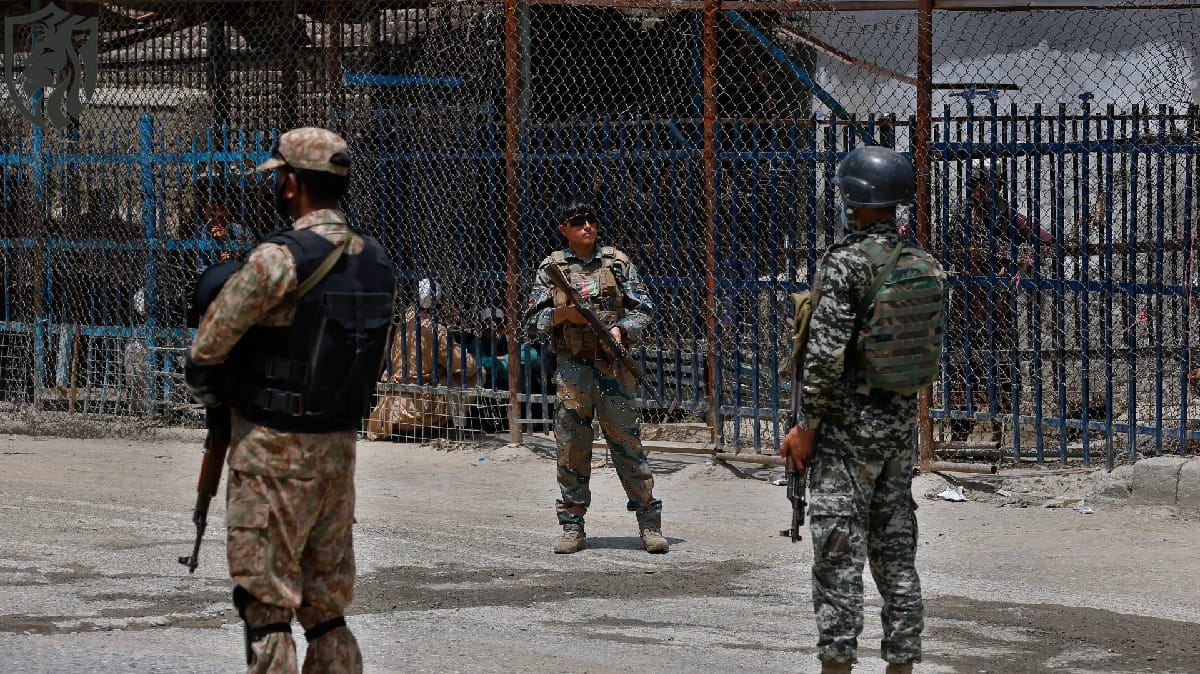
Overnight, confrontations along the Pakistan–Afghanistan border intensified, with Pakistani security officials claiming dominance over 19 Afghan military facilities and several “terrorist hideouts.”. Kabul reported that the same period saw the deaths of 58 Pakistani soldiers and the injuries of 30 others. The clashes along the Pakistan–Afghanistan border persist, with both sides offering markedly different casualty figures and battlefield narratives.
Attribution of Statements — Conflicting Assertions
According to Pakistan’s state media and security sources, artillery, tanks, drones, and aircraft assets engaged many sites along the border. Nevertheless, the Taliban-led Defence Ministry of Afghanistan said that its forces conducted “retaliatory and successful operations” and would respond decisively to any such violations. Conflicts along the Pakistan–Afghanistan border feature mutual claims of victory, with one government accusing the other of provocation.
Site of the Engagement
The principal reports focus on Angoor Adda, Bajaur, Kurram, Dir, and Chitral in Khyber Pakhtunkhwa, as well as Baramcha in Balochistan. Zabihullah Mujahid, the spokesperson for Kabul, declared the destruction of around 20 Pakistani outposts and the seizure of weaponry. The conflicts along the Pakistan–Afghanistan border in these corridors are strategically significant because of their position on transit routes formerly employed by the TTP and other militant groups.
Recorded Losses and Damages
Kabul reported the deaths of nine Afghan soldiers and the injuries of 16. On the other hand, Pakistani accounts reported the deaths of numerous Afghan personnel, the retreat of insurgent factions, and the destruction of multiple locations. Notably, confrontations along the Pakistan–Afghanistan border included assaults allegedly aimed against a Taliban tank position and a battalion headquarters used for the deployment of TTP troops near Barabcha. Independent observers have not yet verified either set of figures.

Accusations of Major Aims Strike
Pakistani authorities confirmed an attack on Durani Camp No. 2, known as a launchpad for cross-border operations, with initial reports suggesting ove Approximately 50 Taliban and foreign fighters were killed, and the outposts at Doran Mela, Turkmanzai, Afghani Shaheedan, and Jandoser were reportedly destroyed. Confirmed skirmishes along the Pakistan–Afghanistan border indicate a heightened endeavour to disrupt command-and-control frameworks that facilitate infiltration attempts.
Stimuli and Escalation Procedures
Tensions rose after a series of alleged TTP attacks from Afghan soil. One assault in Orakzai killed 11 Pakistani personnel. The fallen included a lieutenant colonel and a major. On Thursday night, explosions rocked Kabul. Afghan officials blamed Islamabad, but Pakistan remained silent. These episodes further strained an already fragile border climate. Hostilities along the Pakistan–Afghanistan border appear to be associated with the enduring conflict around TTP sanctuaries and border governance.
Mediation and Operational Intermission
Afghan officials indicated that operations were suspended at midnight following appeals from Qatar and Saudi Arabia. The duration and extent of any suspension remain ambiguous. Clashes along the Pakistan–Afghanistan border may rapidly resume if local commanders misinterpret directives or if fresh events arise along the permeable boundary.
Legal and Political Context
Pakistan’s interior minister, Mohsin Naqvi, described the Afghan fire as “unprovoked” and alleged that Kabul was targeting civilians, vowing “stones for bricks” in retaliation. Kabul describes its operations as defensive, indicating territorial integrity. International law, disagreements over boundary demarcation concerning the Durand Line, and counter-terrorism objectives all intersect in the conflicts along the Pakistan–Afghanistan border.

Military Insights for Practitioners
Both parties stressed the integration of combined arms—artillery, armoured units, drones, and aerial support for swift impacts. Consequently, short-notice cross-border fires, drone ISR-strike cycles, and decentralised outpost networks are essential. The confrontations at the Pakistan–Afghanistan border underscore the necessity of reliable sensors for detecting infiltrators, fortifying advanced positions, and implementing rapid close air support protocols to endure intense fire in challenging terrain.
Recommended Viewing
Verification will depend on independent imagery, on-site reporting, and possible briefings from the ISPR or Defence Ministry. Additionally, monitor border-closure policies, refugee-flow regulations, and any diplomatic involvement by NATO or the UN. Although discreet mediation may alleviate tensions in the Pakistan–Afghanistan border conflicts, another high-casualty event might swiftly precipitate a cycle of retribution.
References
- https://tolonews.com/
- https://radio.gov.pk/
- https://ispr.gov.pk/
- https://moi.gov.pk/
About the Author