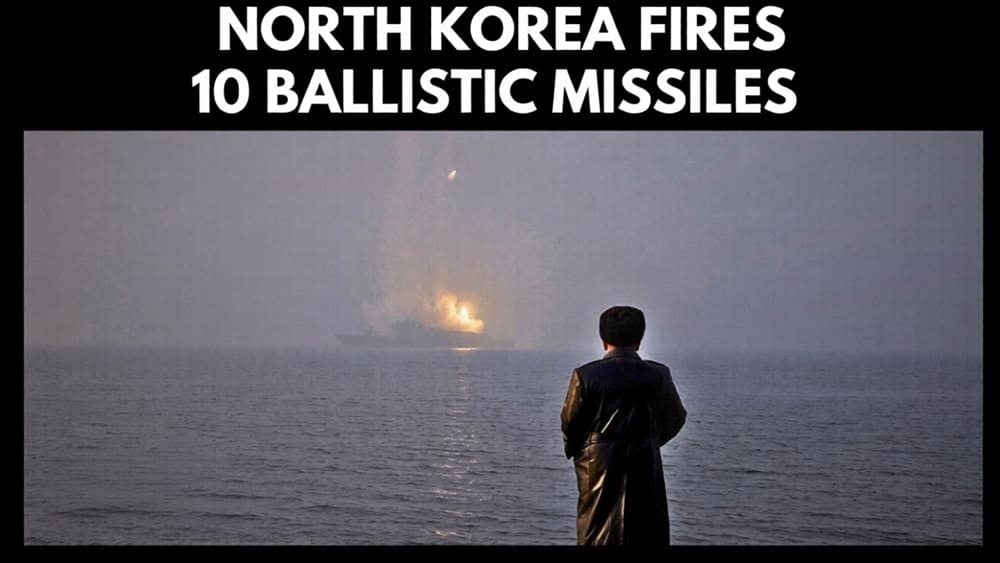
North Korea Fires 10 Ballistic Missiles toward the Sea of Japan
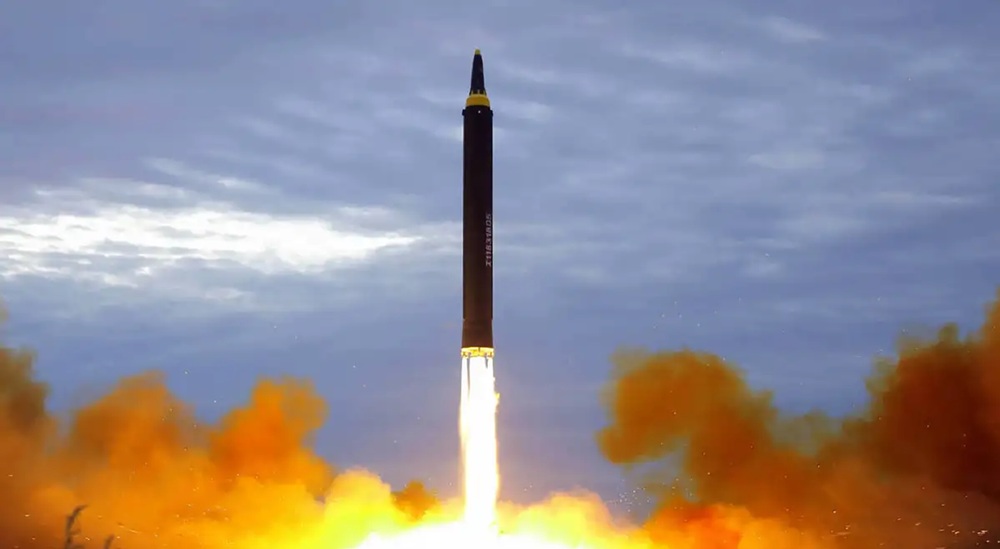
Northeast Asia was on high alert after Pyongyang launched roughly ten ballistic missiles toward the Sea of Japan. The launches started at 13:24 local time, according to Japan’s Ministry of Defense. The missiles traveled northeast after being fired from North Korea’s west coast. Nearly immediately after launch, the projectiles were tracked by Japanese radar. A flight distance of roughly 340 kilometers was indicated by early data. Additionally, the missiles’ maximum altitude was about 80 kilometers. Later, outside of Japan’s exclusive economic zone, they fell into the sea.
Japan’s Response
Tokyo moved fast. Prime Minister Sanae Takaichi told ministries and agencies to collect and analyze information and be ready for anything that might happen next. At the same time, an anti-crisis headquarters at the Prime Minister’s Office started working with the right ministries and emergency services to plan the national response. So, Japan saw the salvo as a live readiness event instead of a normal monitoring task.
Why the Salvo Matters
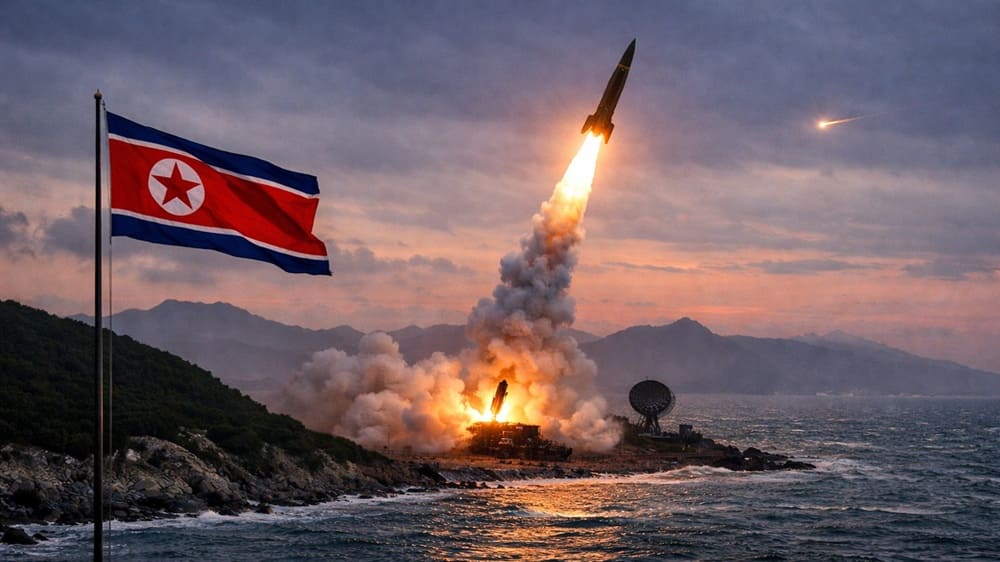
There are two reasons why these North Korean ballistic missile launches are important. First, firing about 10 missiles in one wave puts more stress on tracking, warning, and response systems than just one test does. Second, the launch showed that Pyongyang still sees short-warning missile tests as a way to send a political and military message. Both Reuters and the Associated Press said that the volley happened at a tense time in the region and landed outside of Japan’s EEZ. This helped avoid immediate damage while still sending a strong message. For wider regional missile context, see Taiwan Anti-Ship Missiles Reach a New Scale and Japan Defense Satcom—Lockheed Anti-Jam Payload.
January Test Set the Pattern
North Korea had already launched missiles this year before this. The country launched its first rocket of 2026 from its west coast on January 4, 2026. At 07:54 local time, between 7 and 8 a.m., Japanese radar picked up on the event. That earlier test showed that North Korea had already started launching missiles on a regular basis again early this year. In that way, the most recent North Korean ballistic missile launches don’t seem like a one-time thing but rather part of a pattern of calibrated pressure that has been going on for a while.
Key Takeaway
The main lesson for people who watch defense is simple. This is not the most dramatic North Korean test on record because the flight was only 340 kilometers long and the highest point was 80 kilometers. But a volley of about 10 missiles still shows tempo, coordination, and intent. That’s why a launch that ends outside of Japan’s EEZ can still be important strategically.
References
- https://defensenewstoday.info/taiwan-anti-ship-missiles-reach-a-new-scale/
- https://defensenewstoday.info/japan-defense-satcom-lockheed-anti-jam-payload/
- https://www.reuters.com/world/asia-pacific/north-korea-fires-ballistic-missile-towards-sea-off-its-east-coast-2026-01-03/
- https://apnews.com/article/44a03aff91a068f76b6dfd89023dd378
About the Author