
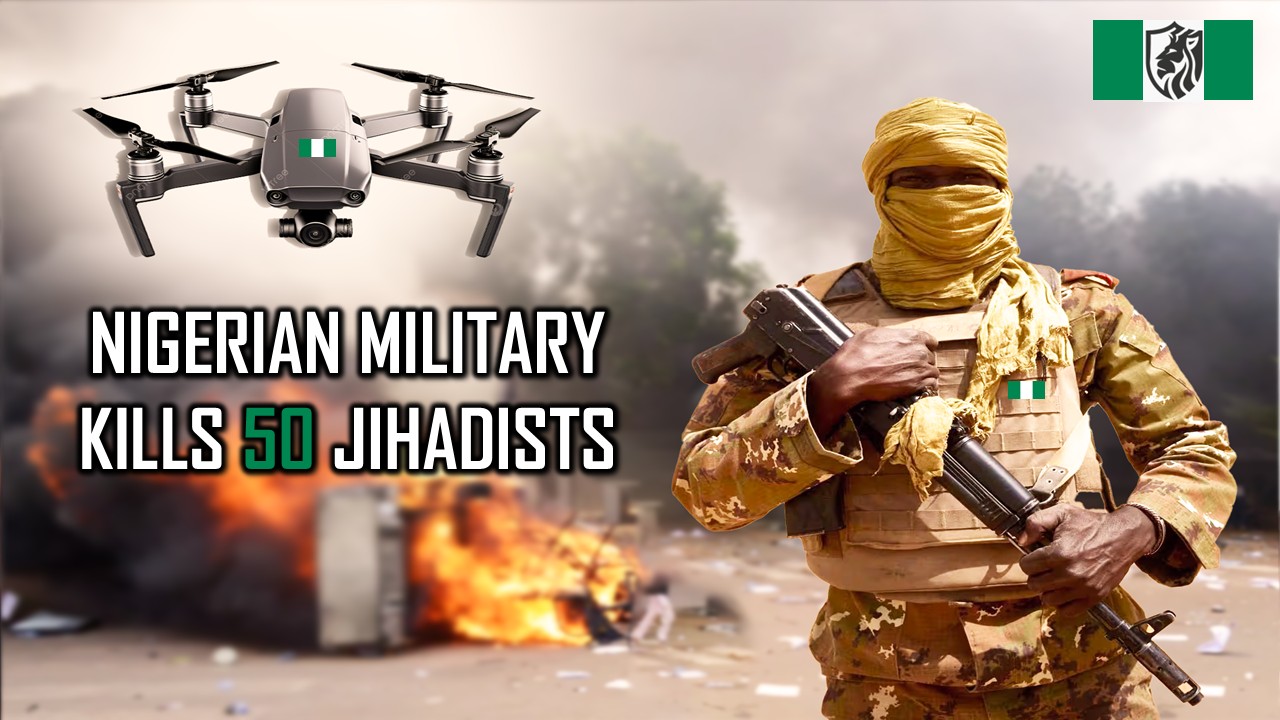
Nigerian Military Kills 50 Jihadists
Northeast Offensive: What Happened and Why It Matters
The Nigerian military kills 50 jihadists after coordinated raids on army bases in Borno and Yobe. Troops, backed by fighter jets and armed drones, repelled near-simultaneous assaults on Dikwa, Mafa, Gajibo, and Katarko. According to a military spokesman, ground–air integration neutralised more than 50 militants and stabilised the perimeter after brief breaches in Dikwa and Mafa. This outcome matters because the Nigerian military kills 50 jihadists during a complex, multi-axis attack that tests base defences and response timelines.
Partners in the Fight: Drones and SSG Rebuild Confidence
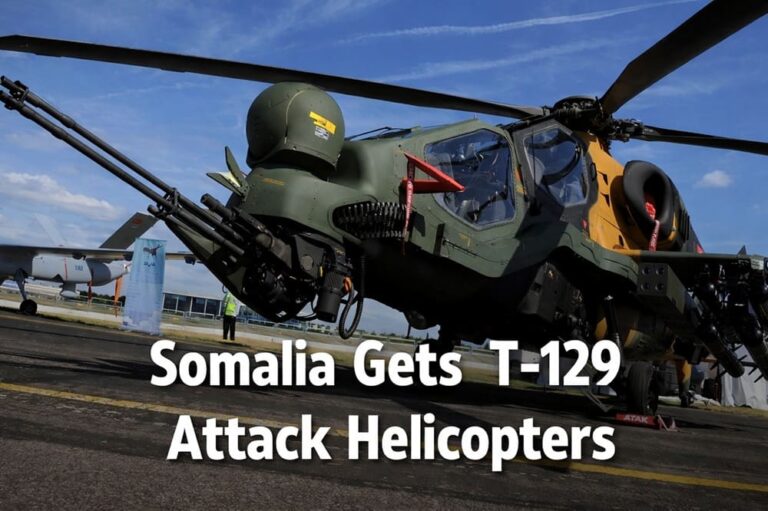
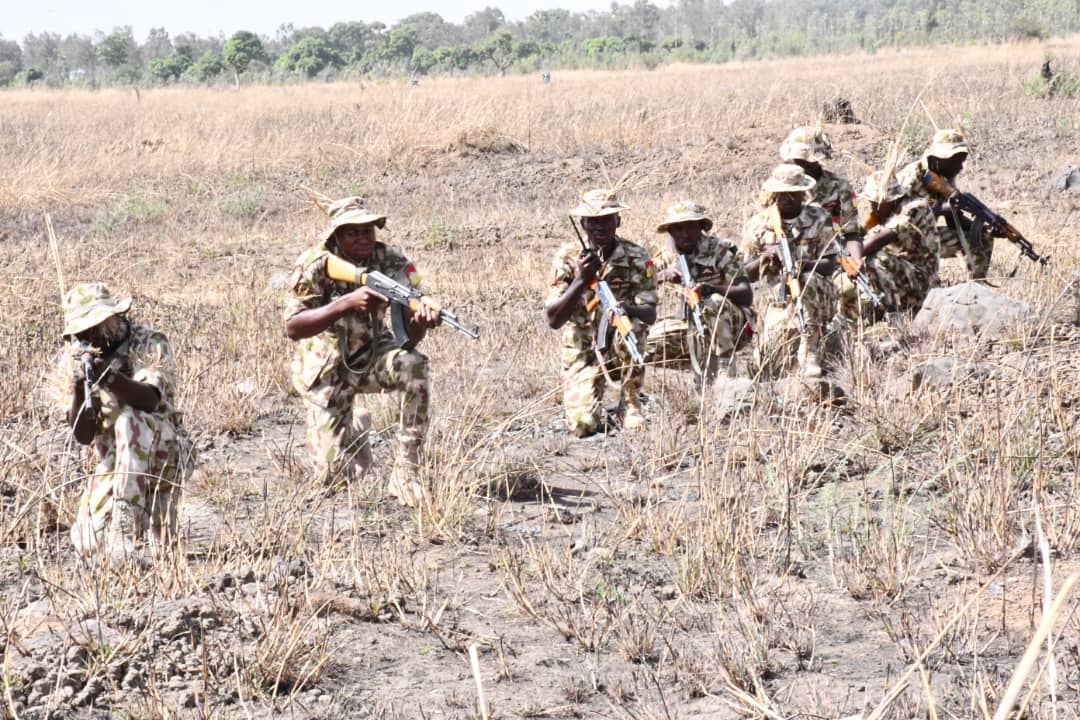
Turkish-made drones and Pakistan’s SSG-led training are reshaping Nigeria’s fight against Boko Haram. Crews now spot ambushes sooner, guiding patrols with live video rather than guesswork. Special forces move with quieter confidence, practising heli-borne inserts, room clearance, and trauma care honed in joint drills.
Precision strikes arrive minutes after contact, not hours, shrinking militant safe havens. Villagers say roads feel a little safer; markets reopen earlier, and school runs resume. It isn’t perfect—fear lingers—but the rhythm of daily life is slowly returning. Troops talk about trust, sharper drills, and fewer funerals. That human dividend is why these partnerships matter most.
Tactics and Technology: Drones, Breach Points, and Fires
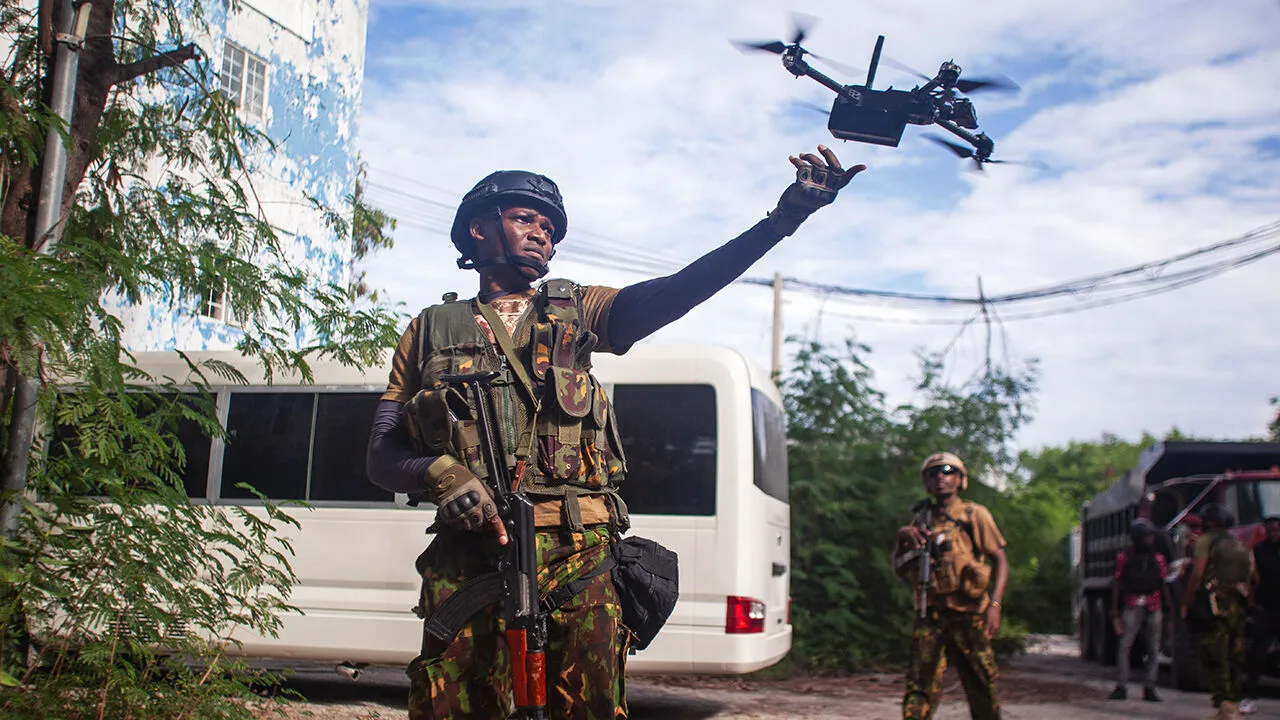
Militants used commercial drones adapted for dropping munitions, while teams advanced with RPGs to force localised penetrations. In response, the Nigerian military kills 50 jihadists by combining close air support with quick-reaction forces and precision drone strikes. Consequently, security forces limited damage, though several vehicles and buildings burnt after UAV-delivered ordnance ignited parked assets, particularly around Mafa’s logistics lots.
Why Armed Drones Are Shaping the Fight
Insurgents increasingly exploit low-cost quadcopters for night drops, reconnaissance, and fire correction. However, the same class of systems enables security forces to close kill chains faster. In these raids, the Nigerian military kills 50 jihadists by fusing ISR feeds with artillery and air strikes, shortening the sensor-to-shooter loop and denying militants time to reorganise.
Strategic Context: ISWAP, Boko Haram, and Cross-Border Risks
For sixteen years, Nigeria has confronted Boko Haram and its Islamic State West Africa Province offshoot. The objective remains unchanged: both groups seek to impose a caliphate across the northeast. Therefore, any coordinated base attack is not a one-off raid; it tests garrison resilience, patrol patterns, and air response. The claim that the Nigerian military kills 50 jihadists signals deterrence, yet the campaign persists because militant networks adapt, disperse, and exploit porous borders into the Lake Chad Basin.
Civilian Impact and Trade Corridors
Local accounts from Mafa indicate militants torched multiple trucks—mostly cement haulers bound for Chad—that had parked overnight to avoid ambushes. This disruption underscores a wider economic cost: attacks along Dikwa–Mafa–Gajibo corridors raise insurance premiums, deter night movements, and pressure cross-border trade. Despite the Nigerian military killing 50 jihadists, logistics risks will persist until patrol saturation and convoy security improve.
Force Protection: What Needs to Happen Next
Even as the Nigerian military killed 50 jihadists, several soldiers sustained injuries. Therefore, commanders will likely prioritise three lines of work:
- Strengthen military bases to defend against UAVs by implementing netting, providing overhead cover, establishing dispersed fuel and ammunition points, and conducting rapid fire-suppression drills.
- Expand counter-UAS layers: RF detection, kinetic/soft-kill blends, and radar-EO cueing to catch low-signature quadcopters.
- Secure road movement: convoy escorts, deception halts, and nighttime ISR to protect parked freight.
Moreover, authorities should integrate community reporting and cross-border intelligence with the Multinational Joint Task Force to pre-empt staging areas. If executed well, these steps will convert tactical successes—like when the Nigerian military kills 50 jihadists in one night—into a sustained operational advantage.
References
- https://defensenewstoday.info/category/africa/
- https://defensenewstoday.info/tag/counter-terrorism/
- https://www.unocha.org/nigeria
- https://www.crisisgroup.org/africa/west-africa/nigeria
About the Author