
New Zealand Soldier Admits Attempted Espionage
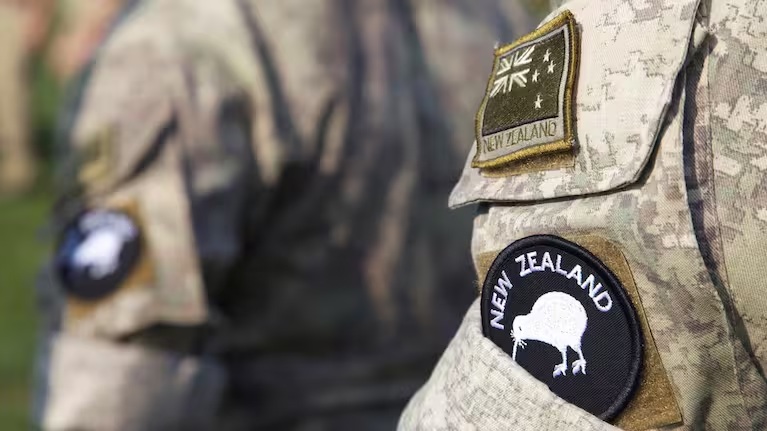
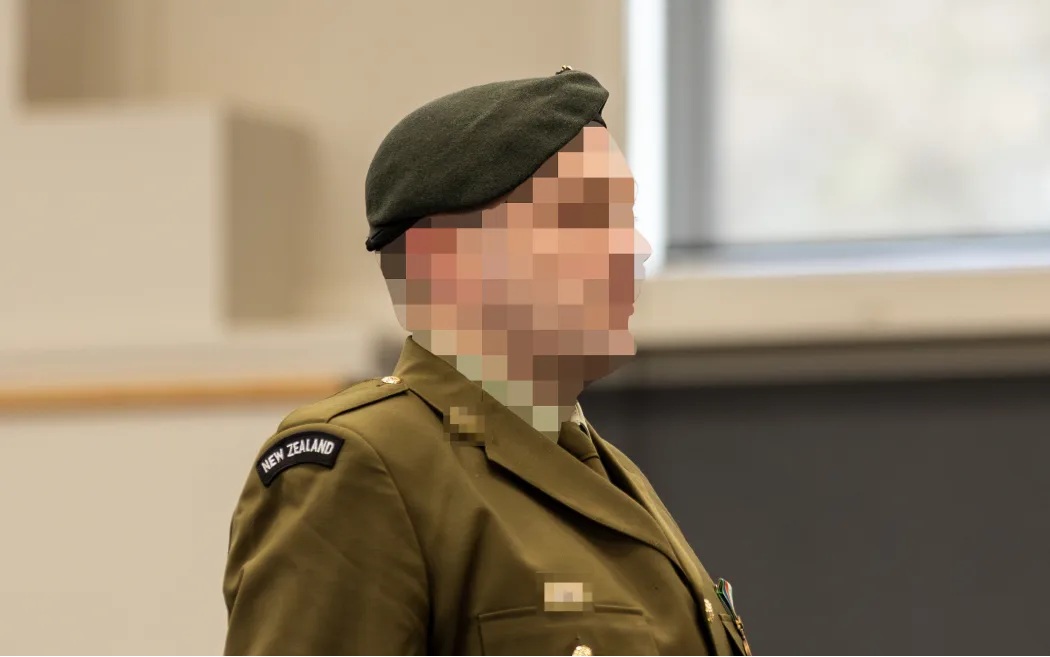
In a historic military court case, a soldier from New Zealand admits to trying to spy, making it the first time the country has convicted someone of spying. The soldier, whose name is still a secret, tried to give sensitive military information to someone he thought was a foreign agent. Instead, he had been in contact with an undercover police officer tasked with monitoring extremist threats.
The court documents showed that the New Zealand soldier admitted to trying to spy. He tried to give out base phone books, security assessments, maps, ID documents, and login information for the defense network. Officials said that what he did was likely to hurt New Zealand’s security and defense.
The soldier was connected to nationalist groups, according to investigators. After the Christchurch mosque attacks in 2019, those links got more attention. An Australian white supremacist committed the massacre, resulting in the deaths of 51 people. After the attack, there was a bigger crackdown on extremist activity.

The New Zealand soldier admits to trying to spy on someone after talking to an undercover police officer who was pretending to be a foreign contact. The police dispatched the officer to investigate individuals suspected of having connections to extremists. The soldier had said he wanted to defect, which is why the police checked to see if he really meant it.
When the police looked through his hard drive, they found a copy of the Christchurch gunman’s manifesto and the live-streamed massacre. In New Zealand, having this kind of illegal material is a crime. The soldier also admitted to this charge, putting him in the same group as others who have been found guilty of holding or sharing extremist content that is not allowed.
Charges and Legal Proceedings
The New Zealand soldier was first charged with 17 crimes, but he later pleaded guilty to three lesser charges: attempted espionage, having objectionable material, and accessing a military computer system without permission. Each crime can get you up to ten years in prison.
He didn’t have to go through a full court-martial trial because he pleaded guilty. Now, a military panel is expected to decide the sentence. His conviction shows how seriously New Zealand’s defense establishment takes spying, especially since there haven’t been many cases like his in the country’s history.
New Zealand’s Espionage History
In the first military espionage case ever brought to court in New Zealand, the soldier admits to trying to spy. In 1975, a public servant faced accusations of providing information to Russian agents, but the court ultimately acquitted him.
This conviction shows how worried people are getting about insider threats, extremist ideologies, and cyber vulnerabilities in the military. Analysts say that modern spying doesn’t just rely on paper documents anymore; it also targets digital systems, databases, and secret communications.
Defense and Security Implications
A soldier from New Zealand admitting to trying to spy on others raises serious concerns about security checks, monitoring of insiders, and counterintelligence. Experts in defense say that even small leaks of base directories or login information could put operational security at risk.
As tensions rise around the world and non-state extremist groups use digital technologies, this incident shows how important it is for armed forces to have strong cyber defense and counterintelligence operations. The case of New Zealand shows that even small militaries can be targets of espionage.
References
- Graham-McLay, Charlotte. “A soldier admits to attempted espionage in New Zealand’s first spying conviction.” AP News, 19 August 2025. Supports the first-conviction claim, the undercover officer, and the details of the attempted disclosures.
- New Zealand Defence Force. “Chief of Army statement in response to Court Martial for attempted espionage.” NZDF, 20 August 2025. Supports the official military view, the sentence, and the significance of the case.
- New Zealand History. “William Sutch charged with spying.” Supports your historical-context section on the 1975 espionage case and acquittal.
- New Zealand Legislation. Crimes Act 1961, section 249, and Films, Videos, and Publications Classification Act 1993, section 131A. Supports the penalty framework for dishonest computer access and possession of objectionable material.
About the Author