

NATO Reporting Names for Soviet Fighters—Rules Explained
The Cold War demonstrated that air forces engage in combat with precision, not minutiae. Sometimes, Western crews followed Soviet jets before they got a bureau designation. Even when they did, confusion arose over numbers on a busy radio net.
“MiG-21” and “MiG-29” can sound alike in a headset, so reporting names gave pilots, controllers, and analysts a way to talk to each other quickly. Also, allies needed a single vocabulary that worked across accents and languages, so the system preferred short, easy-to-remember words over transliterations.
Reporting Names: What They Are—and Aren’t
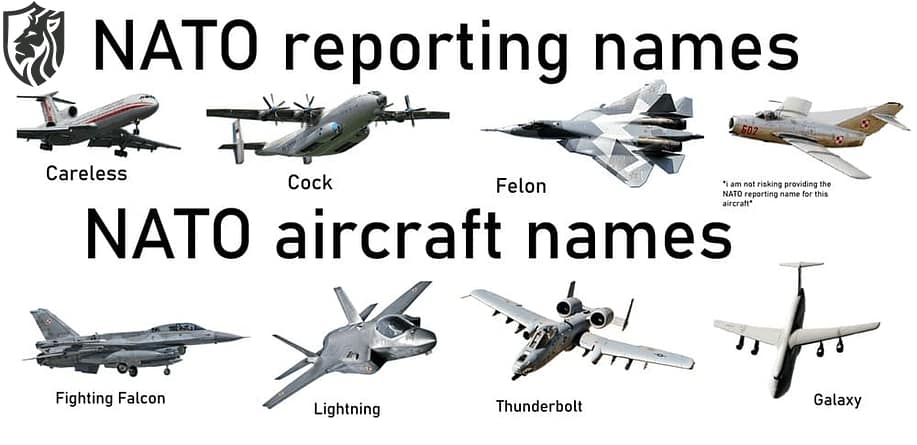
A reporting name is a common code word that makes it easy to find an aircraft quickly in the field. It doesn’t translate a Russian nickname or an official name for a manufacturer. Instead, it provides Western forces with a clear name when the original name is difficult to remember, easy to confuse, or hard to pronounce.
Many people call them “NATO names,” But a Five Eyes group is in charge of the list. The Air Force Interoperability Council (AFIC) is in charge of the assignment process. It used to be called the Air Standardization Coordinating Committee (ASCC).
Rules Behind Flanker and Fulcrum
AFIC uses rules that give names meaning. As a result, teams that work together make fewer mistakes under pressure and speed up their understanding of each other.
First Letter Shows Aircraft Type
The first letter of an aircraft’s name tells you what kind it is. For example, fighters start with F, bombers start with B, and cargo or transport planes start with C. So, that one letter helps an operations room quickly sort through a contact report, even if the rest of the identification is still missing.
Syllables Indicate Engine Type
For fixed-wing planes, the number of syllables is a cue. If the name has one syllable, it usually means a piston or turboprop plane. If the name has two syllables, it usually means a jet. So, “Bear” is a good name for a turboprop bomber, and “Backfire” is a good name for a jet bomber. The pattern doesn’t work for helicopters, though.
Words Must Sound Distinct
AFIC often picks words that people don’t use very often in everyday speech. The choice may seem dramatic, but it cuts down on mishears because a unique word stands out on a busy frequency.
How AFIC Assigns New Names
The first step in the naming process is recognition, not a press release. Analysts may first see a new airframe through pictures, videos of airshows, or sensor tracks. Then, they compare the wings’ shape, the intakes’ layout, the tail’s layout, and the weapons’ locations. In the meantime, they watch how people use bases and exercises to guess what the role might be.
Analysts select the F word when they determine that an aircraft is a fighter. They typically select two syllables to determine whether an airplane is a jet. They then check the term for clarity across accents and stay away from anything that sounds too much like an existing reporting name. Because of this, the same word shows up in briefs and training materials after AFIC standardizes it.
Why These Examples Fit
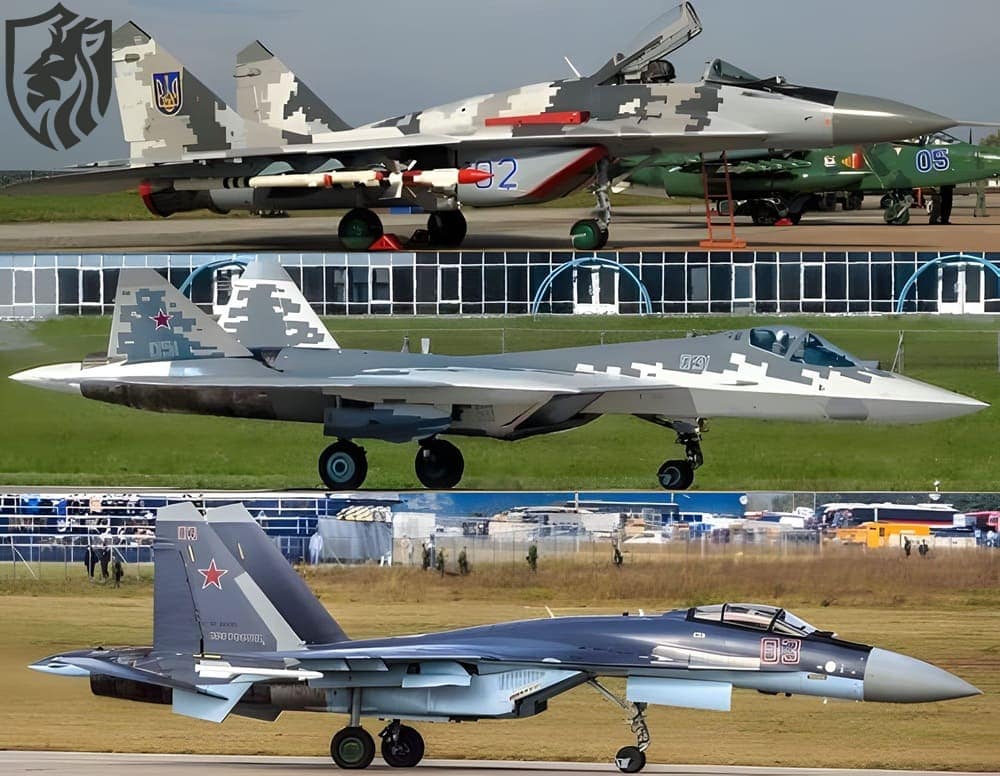
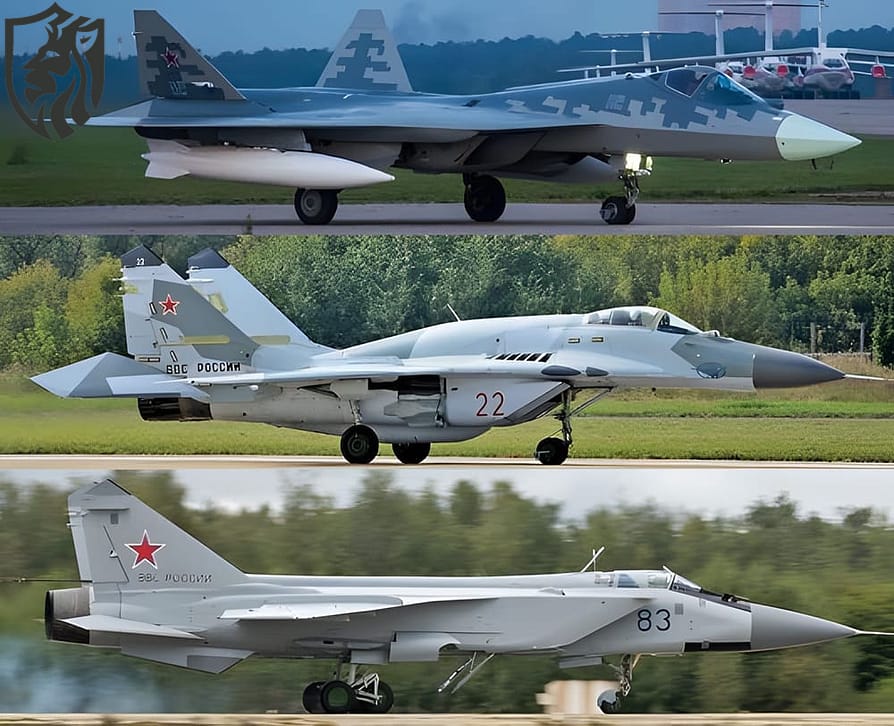
Fulcrum: MiG-29
“Fulcrum” starts with the letter F, which means “fighter” immediately, and it has two syllables, consistent with the jet convention. It is also easy to say even when you’re under pressure, which is why Western news uses “Fulcrum” as a short form for the MiG-29 family.
Flanker: Su-27 family
“Flanker” follows the same pattern: F for fighter and two syllables for a jet. Also, the Su-27 family grew into many different versions, so the reporting name helped Western cataloging stay stable as the number of versions grew.
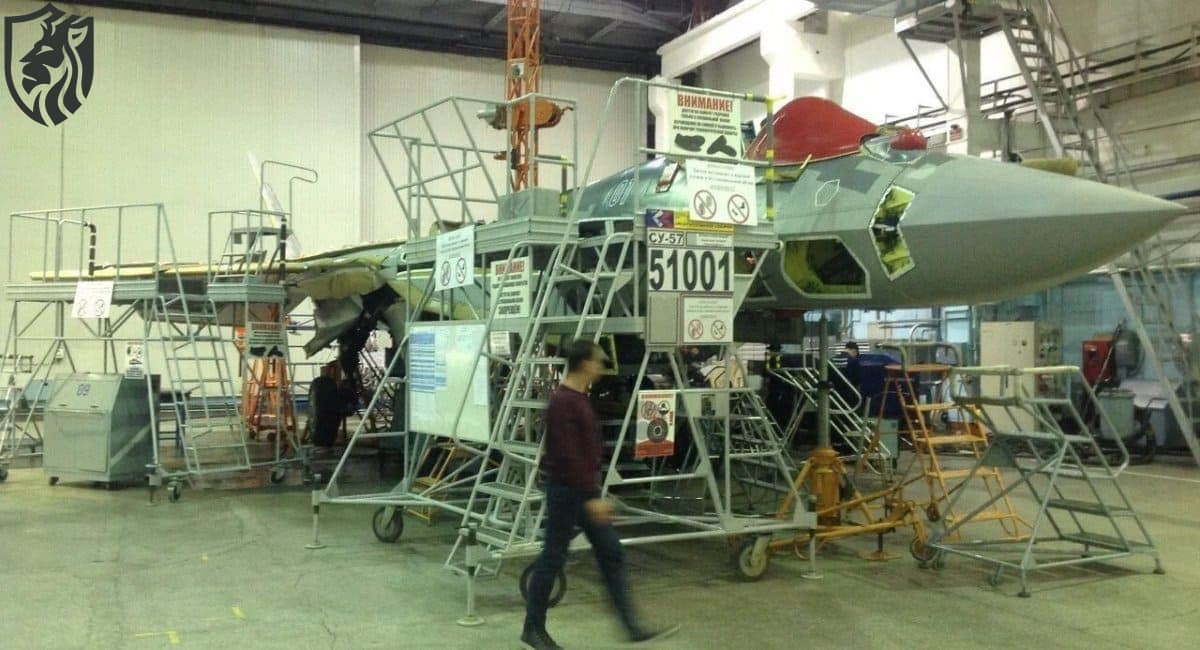
Fe-lon: Su-57
In late 2019, AFIC gave the Su-57 the reporting name “Fe-lon,” and reports about it spread quickly. So, the example is important because it shows that things stay the same. AFIC still gives names to new planes as they come into service and become more visible.
Myths to Avoid
Some readers think that the codewords are a way to rate performance, but in reality, the council tries to make things clear, not praise or ridicule. Some people think that NATO headquarters gives every label, but AFIC is not part of NATO, even though NATO forces depend on its work. Don’t think that Russian pilots use these words every day when they fly. They usually prefer bureau names and local nicknames. English-language briefings and open-source reporting still keep Western names at the top.
Why It Matters in 2026
Coalition air operations now combine sensors, data links, and quick decision-making cycles. Because of this, using the same words still saves time and makes it easier to go from detection to decision. When sources disagree on sub-variants, reporting names also helps because the umbrella label keeps the conversation going until analysts can confirm a specific model. In the end, the system turns uncertainty into a word that everyone understands. That’s why “Flanker,” “Fulcrum,” and “Fishbed” keep coming up in serious defense writing.
References
- https://en.wikipedia.org/wiki/NATO_reporting_name
- https://en.wikipedia.org/wiki/Five_Eyes_Air_Force_Interoperability_Council
- https://en.wikipedia.org/wiki/List_of_NATO_reporting_names_for_fighter_aircraft
About the Author