

MQ-9B SeaGuardian ASW Upgrade for Pacific Patrols
The United States is quietly widening its undersea “search grid” in the Pacific. This time, the focus is not on a new submarine. Instead, it is an unmanned aircraft that can stay aloft for long hours and push sensors deep into the ocean.
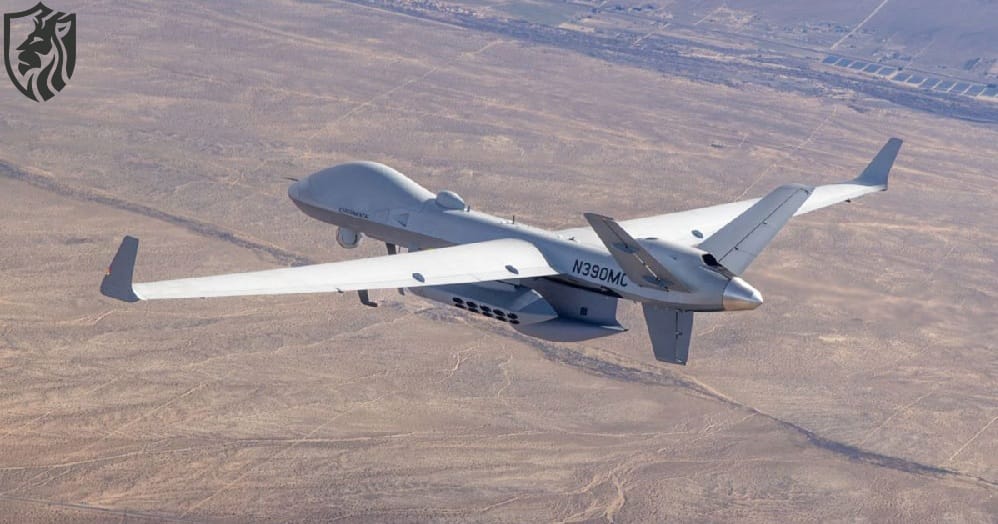
In mid-December, General Atomics Aeronautical Systems (GA-ASI) confirmed a flight demonstration that expanded the MQ-9B SeaGuardian’s anti-submarine warfare toolset. The key change was simple but meaningful: more sonobuoys, carried in pods, and dispensed in a way the U.S. Navy can certify for operational use.
Why Pacific Operations Matter
First, the Pacific is a distance problem. It is also a persistence problem. Therefore, platforms that can hold a station and keep feeding data into an ISR network become valuable, even if they never fire a weapon.
That logic explains the interest in an MQ-9B with wide-area submarine search support. It can fly over the horizon via satellite link and remain on task far from shore-based control stations.
SeaGuardian Sonobuoy Test
GA-ASI says the December flight test used the MQ-9B SeaGuardian and focused on the Sonobuoy Dispensing System (SDS), supported by NAWCAD’s AIRWorks team. The U.S. Navy sponsored the event. GA-ASI did not disclose the location. Crucially, GA-ASI stated the aircraft carried more pods than previously tested, effectively doubling the number of sonobuoys available. Images showed the aircraft with two SDS pods fitted.
SeaGuardian’s baseline fit
The test aircraft matters. The SeaGuardian variant pairs long endurance (reported as over 18 hours) with a maritime radar fit optimized for surface search. In plain terms, this is a persistence-and-sensors play. It is not a strike breakthrough.
More Sonobuoys, More Coverage
Sonobuoys remain one of the fastest ways to “seed” the ocean with acoustic sensors. When you can drop more of them, you can:
- Widen the search area.
- Tighten spacing in a suspected contact box, and
- Support multi-static tactics when paired with other sensors.
GA-ASI has explored SeaGuardian sonobuoy concepts since at least 2016, including proving it could carry, control, and transmit data back to a ground station by satellite. For a technical audience, the headline is this: the MQ-9B SeaGuardian anti-submarine capability increases the Navy’s ability to distribute sensors without burning crewed flight hours.
Limits of MQ-9B in Combat
The MQ-9’s survivability constraints do not vanish over the ocean. The aircraft still faces serious limits against modern, layered air defenses. That restricts how close it can operate to a peer adversary’s contested zones. However, in non-combat roles—such as broad-area ocean search and cueing—this kind of unmanned persistence can still shift the math.
Cost and Attrition Lessons
The MQ-9 first entered service in 2007 and became one of the world’s most recognizable multi-role unmanned combat aircraft, partly because it keeps training and operating expenses comparatively low. At the same time, reports say the aircraft cost approximately $150 million each and drew attention in 2023–2024 as Yemeni Ansuruallah (Houthi) forces reported over ten MQ-9s destroyed across roughly a year. That history reinforces a key point: the value proposition depends on where the platform flies and under what air-defense conditions.

P-8, Triton, and SeaGuardian
The U.S. Navy already relies on a layered set of maritime ISR and ASW assets. The P-8 Poseidon remains the backbone of airborne ASW. Meanwhile, long-range unmanned systems extend surveillance reach across oceans. In that context, the MQ-9B SeaGuardian anti-submarine capability looks like an “add-on layer” that can expand coverage, especially across wide Pacific gaps.
Why Timing Matters
This investment lands amid rapid submarine modernization pressures. China’s undersea force continues to grow in scale and capability, while U.S. planning documents and congressional research track next-generation Chinese SSBN development, including Type 096 work expected to begin construction “in the near future.”
Russia also continues to emphasize advanced weapons at sea. Reuters reported in March 2025 that the nuclear-powered submarine Perm was launched and would carry Zircon hypersonic missiles as standard armament. Taken together, the strategic signal is clear: the ocean is getting busier, and the sensor competition is accelerating.
References
- https://www.ga-asi.com/ga-asi-and-usn-test-expanded-sonobuoy-dispensing-system-for-mq-9b-seaguardian
- https://www.reuters.com/world/europe/russias-putin-launches-nuclear-powered-submarine-2025-03-27/
- https://defensenewstoday.info/brazil-nuclear-submarine-program-karam-s43-milestone/
About the Author