
Japan MPMS Kai
Why the MPMS Kai leak matters
Japan did not plan to show its next missile so soon. However, during Resolute Dragon 2025, a video clip briefly revealed the MPMS Kai missile system in action. The 8th Infantry Division posted the footage and later edited it, yet a close-up of the launcher survived. The glimpse confirms a maturing capability that is due to enter service in 2026.
What the footage shows
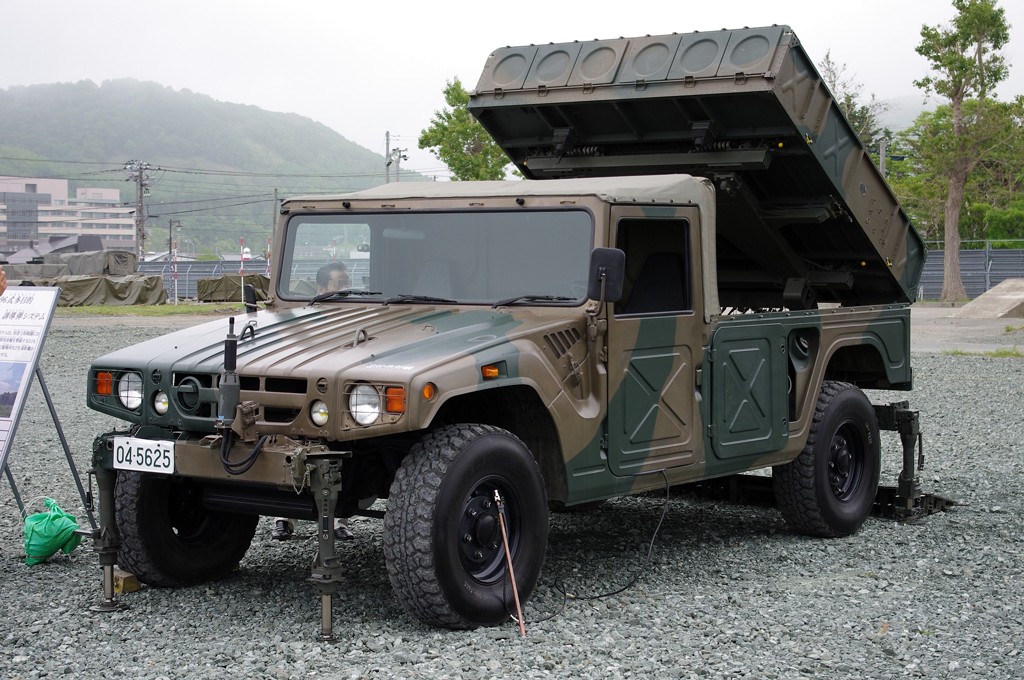
The launcher carries six tubular transport-launch containers on a multipurpose HMV off-road vehicle. Moreover, the tubes appear enclosed in a box-shaped shroud that protects cabling and connectors. A raised mast with an antenna array sits behind, much like sensors seen on earlier MMPM family systems. Taken together, these details point to a networked, multi-role design that suits scattered island defences.
Seeker, sensors, and guidance
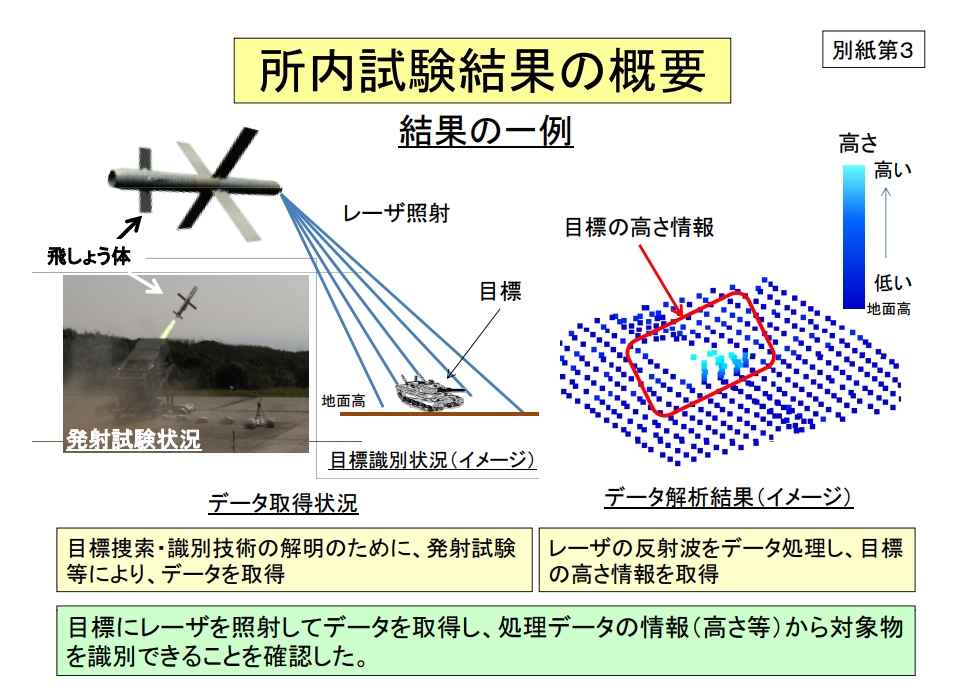
ATLA imagery highlights an optical head and a sophisticated seeker. In practice, the MPMS Kai missile system blends infrared guidance with an onboard laser surface-scanning mode. The laser scans the terrain and builds a silhouette map of targets. Therefore, the missile can detect, classify, and track several contacts at once, then engage autonomously when authorised. This approach improves resilience if links degrade under jamming.
Range, envelope, and firing geometry
Tokyo has not released an official range. Even so, NOTAMs and test-range closures near Niimajima suggest a 30–35 km class envelope. The design supports launches at 90° and at 45°, which improves survivability and firing options in cluttered littorals. Consequently, crews can loft shots over masking terrain or use shallower trajectories for rapid time-to-target.
Mission set: armour and ships
The MPMS Kai missile system is built for both land and sea targets. It can engage tanks and IFVs at 20–30 km, and it threatens landing craft as they form up. Japan’s planners have prioritised anti-ship defences for remote islands, and this system meets their needs. Furthermore, its smart seeker allows precise effects without heavy dependence on external designation.
Form factor and energetics
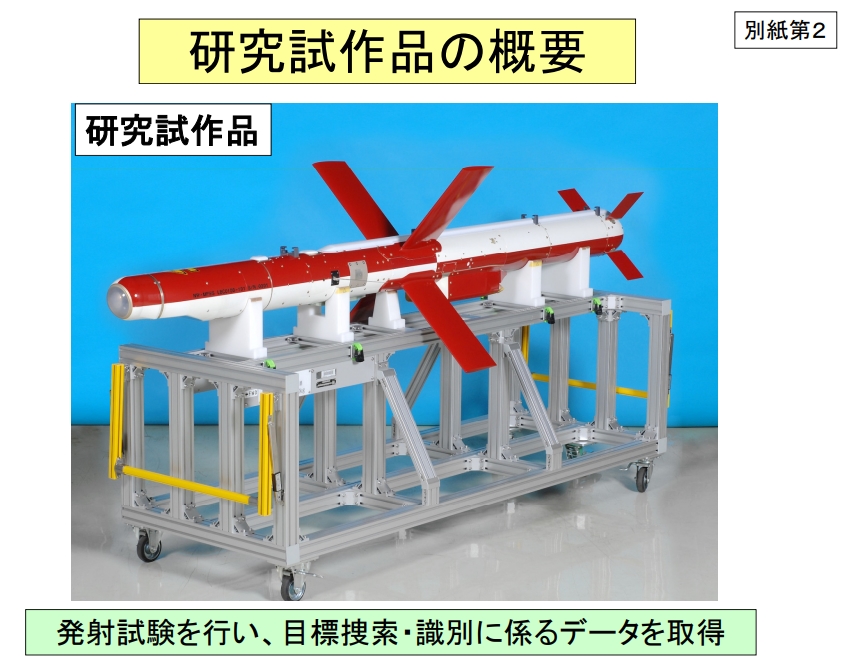
The missile measures about 2.3 metres and weighs 98.5 kg. Those figures make it slightly larger and heavier than its Type 96 predecessor. However, the added mass likely supports a stronger motor, a larger seeker, and better datalinks. As a result, the system trades a modest weight increase for meaningful range and autonomy gains.
Programme status and budget
The Ministry of Defence has slated the MPMS Kai missile system for procurement in Fiscal Year 2026. Plans call for 11 systems to replace legacy Type 96 units, at a reported package value of about $167.7 million. Although the purchase starts modestly, officials emphasise a lower unit cost versus the older model. Therefore, Japan can scale numbers faster than it did with the Type 96, of which only 36 were ordered between 1996 and 2012.
Concepts of employment
Japan faces saturation threats across dispersed islands. Thus, mobility and survivability matter as much as range. A six-cell launcher on an HMV can hide, shoot, and scoot. Additionally, the mast array hints at passive search, cueing from other sensors, and resilient links to higher echelons. In a crisis, units could ambush approaching craft, then displace before counter-battery fire arrives.
Industrial and doctrinal context
ATLA’s seeker work demonstrates Japan’s commitment to edge autonomy. In doctrine, this reduces kill chains and compresses engagement timelines. Moreover, it eases dependence on vulnerable ISR nodes. When paired with coastal radars and UAV spotters, the MPMS Kai missile system becomes a force multiplier that complicates an adversary’s landing plans.
How the leak shapes perception
Leaks rarely change hardware; they change timelines and expectations. The Resolute Dragon clip confirms integration progress and suggests a near-final configuration. Consequently, observers now have concrete imagery to compare with test notices and budget lines. The window before 2026 will focus on fielding, training, and building inventory depth.
Key specifications at a glance (from open indications)
- Launcher: Six tubular canisters on HMV; shrouded module for protection.
- Sensors: Antenna mast, optical unit, multi-mode seeker with IR and laser surface scanning.
- Range (assessed): ~30–35 km; 20–30 km effective for many targets.
- Missile size/weight: ~2.3 m length; ~98.5 kg.
- Firing angles: Vertical 90° and slant 45° options.
- Initial buy: 11 systems in FY2026; ~US$167.7 million.
- Role: Anti-ship and anti-armour, autonomous terminal engagement.
Conclusion
Leaks rarely define capability, but this one offers a clear glimpse of where Japan is heading. The MPMS Kai missile system pairs a six-tube HMV launcher with a smart, multi-mode seeker designed for armour and small ships across island chokepoints. The 2026 fielding target feels realistic now that hardware has shown up in training.
Crews will shoot, shift, and survive, rather than wait for perfect cues. Costs appear lower than the Type 96, which means more batteries and more deterrence. In short, Japan is tightening its coastal kill chain—quietly, methodically, and, thanks to one edited clip, a little less secretly.
References
- https://www.mod.go.jp/
- https://www.mod.go.jp/atla/
- https://defensenewstoday.info/
- https://defensenewstoday.info/
About the Author