Morocco-France Rafale Fighter Jet Talks Fail
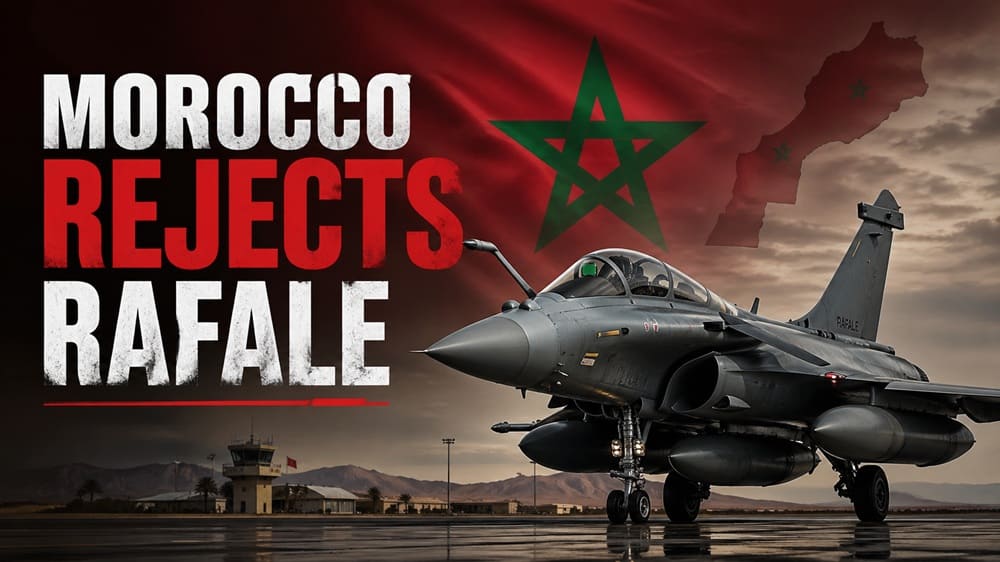
The Rafale jet is becoming a bit of a military aviation staple, but France is having a challenging time selling its planes to Morocco. Yes, the North African country has long been an ally of Paris. But reports from The Parliamentarian say Morocco is not including Dassault Aviation’s Rafale in its military plans, at least for the time being. The Rafale negotiations between France and Morocco never materialized. France had tried to convince Rabat to sign a deal for this high-profile jet, with efforts by Dassault, the Directorate General of Armament (DGA), and the Élysée Palace.
L’Express Reports
The failure was surprising, a senior military official told L’Express. “We thought we would win because of Morocco’s impact,” he said. But it ended in “disastrous failure,” largely because France was not seriously committed. Morocco has been a reliable partner for France, but it has lately looked to expand its military ties. Morocco is looking towards the US and Israel. The French deal, though technically superior, fell victim to inflexible diplomacy, a lack of commercial flexibility, and long-standing political issues. “We underestimated the interest of other countries in Morocco with better financial conditions and transfers of technology,” said Hassan Boukantar, a specialist in Franco-Moroccan relations.

French Mirage F1 jets
The failure is a mixture of diplomatic and strategic blunders. The saga goes back to 2006, when Morocco sought to upgrade its Mirage F1 fighters. Morocco approached the Élysée Palace to buy Rafales, but talks quickly descended into chaos. In France there were two conflicting ideas. The Directorate General of Armament required direct talks with the government. But Rafale’s industrial team was adamant about commercial negotiations. The mismatch gave rise to mixed messages and messy offers. Dassault originally offered €2 billion for 18 Rafales. Then the French government responded with a lower price. Later they added more equipment and operational guarantees, raising the price to €2.6 billion, and doubts about the financing arose.
Morocco Picks F-16 Over Rafale
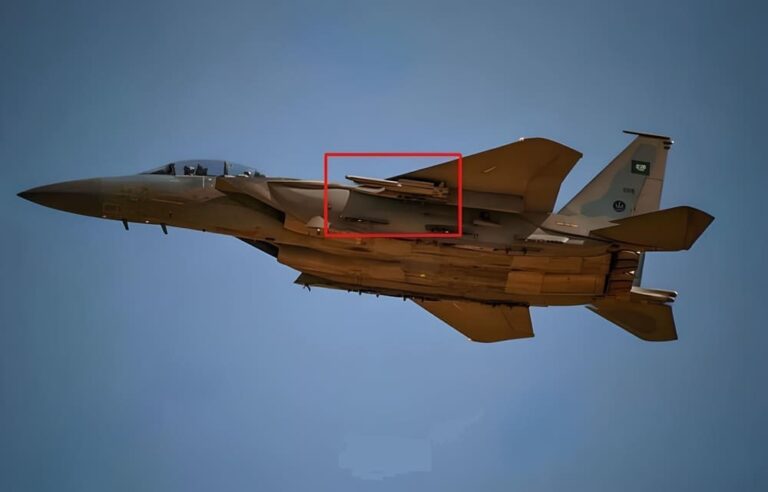
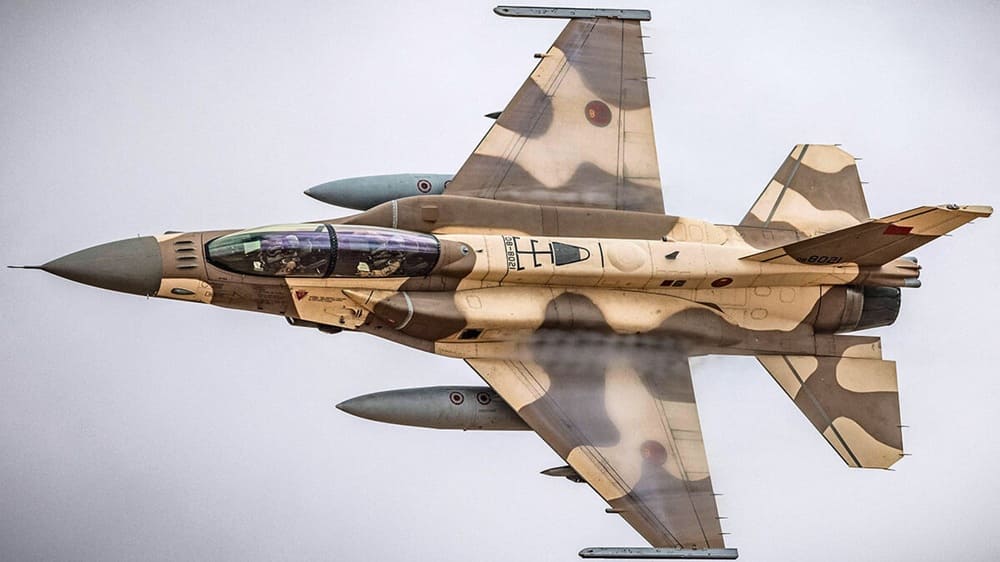
That Morocco has reportedly decided to spurn the Rafale and stick with the F-16 is a pragmatic defence decision, not a political rebuff. The Royal Moroccan Air Force already operates F-16s, making training, maintenance, weapons integration, and logistics easier to manage. Furthermore, increased purchases of F-16s improve interoperability with the United States and NATO-linked partners. The Rafale is a potent multirole performer, but the introduction of the type would mean a separate support chain, new training systems, and added costs. The F-16 is a proven, familiar, and cost-effective platform for Morocco, aligning with its current airpower structure and long-term modernization plans.
Assistance to Morocco
France said it would mobilize financial partners to assist Morocco. That plan went south when the French government failed to provide credit guarantees via Coface, especially as the 2007 presidential elections drew near. Meanwhile, the U.S. stepped up its diplomatic effort, with considerable help from Lockheed Martin. Washington offered 24 F-16s at a competitive price of €1.6 billion—far cheaper than the Rafale. The U.S. also increased its political backing to Morocco, especially on the Sahara issue. Washington moved from neutrality to openly supporting Morocco’s autonomy plan in the disputed region in June 2007.
French Millennium Challenge Corporation
The diplomatic switch resulted in a $697.5 million deal between Morocco and the Millennium Challenge Corporation, enhancing ties between the two countries. In the summer of 2007, France attempted to rescue the situation by offering to finance the entire deal through Coface. But Morocco had already made its choice. The F-16s were a serious blow to French hopes. Dassault and other French companies lagged. The Aero Expo Marrakesh was held in October 2007. The absence was a real failure sign. The event underlined the serious problems of the French export plan. No coordinating. Slow reaction.
Conclusion
There was a misunderstanding of the needs and preferences of the partners. All these events were to prove expensive for the French defence sector. A former French defence minister said the Rafale was “brilliant” but “difficult to sell.” But Morocco might reconsider. Relations between Morocco and France have been improving since 2024. But this error is a lesson for France. They need strategic coherence, flexible negotiations, and fast diplomatic moves. Such flexibility matters when bargaining for defence deals in a tougher global market. The Rafale’s technical superiority is not in doubt, but France’s inability to adapt to the rapidly changing geopolitical environment limits its ability to expand its influence in the world.
References
- “Morocco Rejects France’s Rafale Fighter Jet Offer” – The Parliamentarian
https://www.theparliamentarian.com/morocco-france-rafale-jet-negotiations - “Why Morocco Chose F-16 Over Rafale: A Diplomatic Perspective” – L’Express
https://www.lexpress.fr/morocco-f16-vs-rafale-diplomatic-ties_2094187.html - “France’s Rafale Export Woes: The Morocco Case” – Defense News Today
https://www.defensenewstoday.info/france-morocco-rafale-export-challenges
About the Author