
Morocco Drone Production Hub — Africa’s UAV Shift
Morocco is no longer a buyer of drones but a producer of them. Near Benslimane, east of Casablanca, Morocco’s drone production facility is a signal of Rabat’s ambition to break into the uncrewed systems market with local design and international partnerships. The plan fuses domestic engineering, Turkish manufacturing connections, African training and export intent.
This matters because drones are now shaping surveillance, targeting, border security and low-cost strike missions. Morocco’s investment is therefore a military response to a battlespace defined by uncrewed aircraft, loitering munitions, electronic warfare and data processing.
Morocco’s Drone Hub Emerges
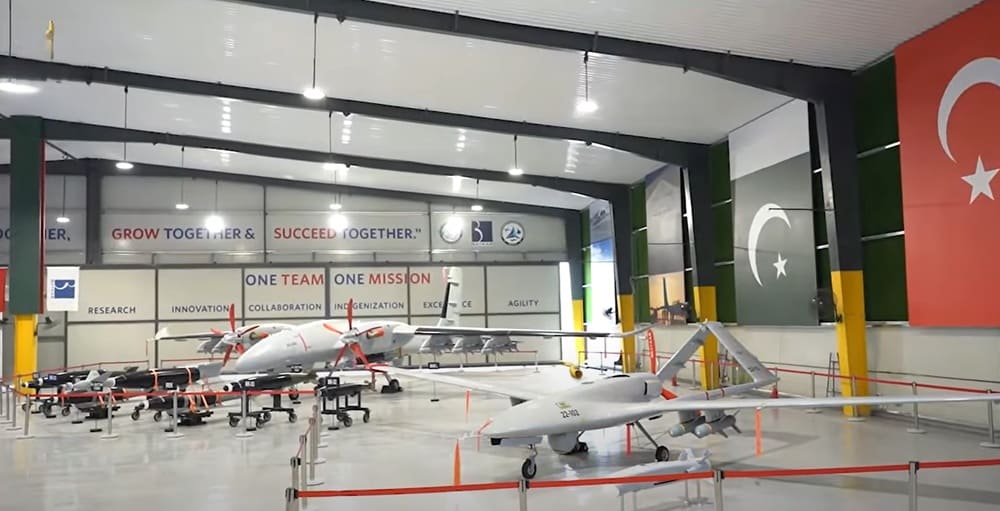
Benslimane is the heart of Morocco’s drone production centre. The industrial zone connects domestic drone work with foreign partners, including Turkey’s Baykar and its Bayraktar uncrewed aerial vehicles. At the same time, Moroccan companies such as Aerodrive Engineering Services are building national design and production capacity.
Morocco issued licenses for 10 drone projects worth over $260 million in 2025. The goal was to create a local defence industrial base, Abdellatif Loudiyi, head of the National Defence Administration, told Parliament. That plant would feed the Moroccan military and future exports. Some reporting also links these projects to the creation of about 2,500 jobs.
Morocco is already active in aerospace with Boeing, Lockheed Martin, and France’s Safran. This means the drone sector can tap into an existing aerospace ecosystem, a skilled workforce and state interest in higher-value defence manufacturing.
TB2 and Akinci Strengthen Morocco
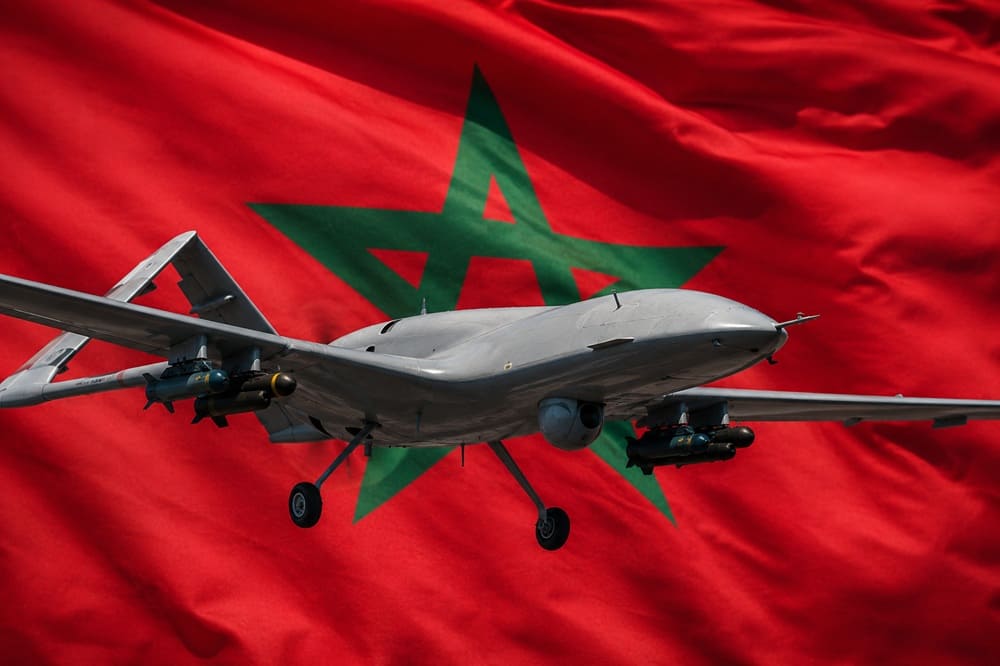
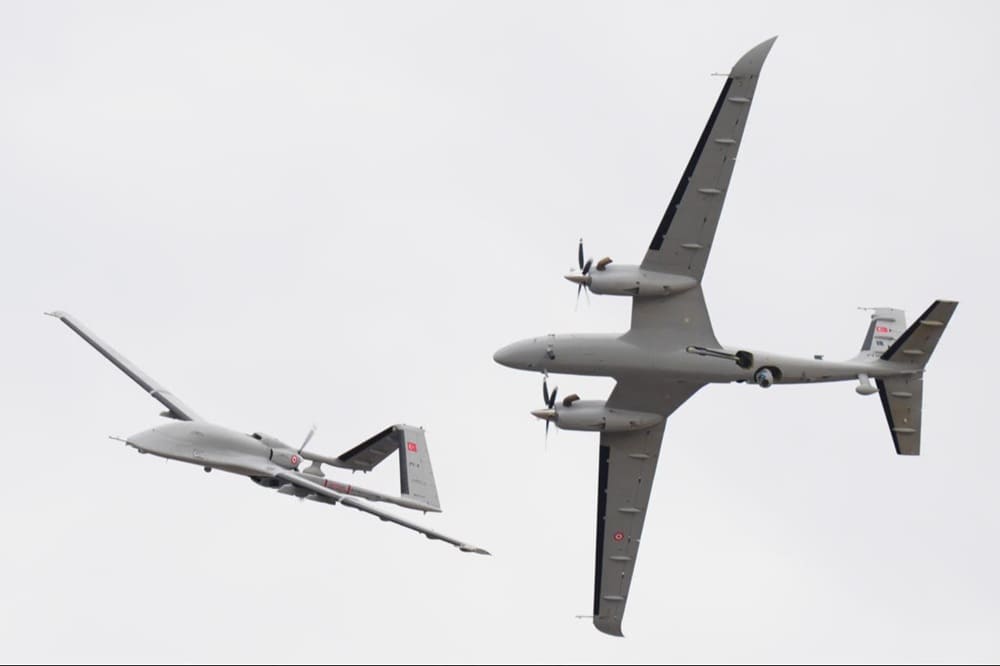
Moroccan-Turkish ties on uncrewed combat aviation predate the Benslimane drive. In 2021, Rabat signed a deal to buy 13 armed Bayraktar TB2 drones worth $70 million. “We got the first systems that year. More TB2s are to be delivered in August 2024, the military said. Morocco also bought Baykar’s more sophisticated Akinci drones in 2025.
These purchases provided Morocco ISR and strike capabilities at a fraction of the cost of many crewed aircraft. But the real issue is not just procurement. With the move to a facility in Morocco, Baykar would bring Turkish uncrewed systems closer to customers in Africa. This could lead to Morocco becoming a UAV user and regional supply point.
North Africa can deliver aircraft, spares, training and support to African customers more quickly. At the same time, Morocco is gaining industrial importance beyond its own armed forces.
Aerodrive Advances Atlas Istar
Aerodrive Engineering Services provides the local presence for the project. The company announced Atlas Istar, which it claimed was Morocco’s first home-grown military drone, in 2024. The system is designed for intelligence, surveillance, target acquisition and recon missions.
Atlas Istar is important because it is a transition from buying to owning the design. “Foreign drones can provide capability fast. But the local systems allow Morocco greater control over maintenance, upgrades, mission software, production pace and national needs.
The Benslimane site is also expected to produce 500 OWA-UAVs, or one-way attack drones, for Aerodrive in 2027. That number tells us that Morocco also understands the importance of disposable strike systems, which have become the staple of tactical attrition in recent wars.
African Lion 2026 and Drone Training
Factories are not the only part of Morocco’s drone ambitions. The country has also been associated with a regional role in drone training for African militaries, via Exercise African Lion 2026. During African Lion 26, more than 20 service members from Morocco, Nigeria, Ghana and the United States graduated from a first-ever drone academics class, U.S. Africa Command reported.
The training involved uncrewed aircraft flight operations, reconnaissance and target identification. The wider exercise also included cyber, electronic warfare, satellite operations and other high-end military topics. And it’s significant because drone power is more than airframes. It needs trained operators, data analysis, disciplined communications and an understanding of electronic warfare.
The regional training role provides an opportunity for Morocco to learn operational lessons, develop tactics and strengthen military relations with African partners.
Drone Demand Rises at Borders
Analysts say Morocco’s drone strategy often reflects its domestic security environment. “The urgency to master drones is the backbone of the realities of Morocco’s border,” said Enrique Fernández of Atalayar. This decision is consistent with the operational utility of UAVs. They can see terrain far away, watch for movement, support patrols, and provide persistent surveillance.
Drones also enable countries to respond to threats without having to constantly deploy crewed aircraft or large ground formations. Domestic production thus allows Morocco to support border surveillance and rapid response missions more quickly.
Morocco’s Wider UAV Impact
Morocco’s drone manufacturing hub may cut Rabat’s reliance on foreign manufacturers. “This does not mean Morocco will cease to buy advanced systems. Instead, it could develop a mixed ecosystem of imported platforms, licensed production and local designs.
Morocco has already integrated French, Israeli, Turkish and British drone companies into its broader defence-industrial landscape. Rabat can also use partnerships for technology transfer, developing local assembly and maintenance capacity and increasing export credibility.
“In a tense world, states that produce arms can defend themselves more independently,” said Moroccan security expert Abderrahmane Mekkaoui. A country that can produce, repair and adapt its arms at home is more resilient in a crisis.
Strategic Outlook
Morocco’s drone rise is not about buying Bayraktar drones or opening a factory. It’s a signal of a bigger push to use geography, aerospace know-how, foreign collaborations and local engineering as strategic leverage.
Morocco still faces hurdles in becoming a drone production hub. Morocco must show that local production can deliver reliable systems at scale. It also has to develop sensors, datalinks, software, propulsion support, electronic warfare resilience and trained operators. But the way is clear.
Benslimane provides Morocco with its own industrial anchor. The international weight is provided by Turkish Baykar. Aerodrive picks up street cred locally. African Lion 2026 is a training exercise, a All these elements are making Morocco an increasingly serious African hub for drone production.
References
- https://adf-magazine.com/2026/06/morocco-becoming-drone-production-hub/
- https://defensenewstoday.info/drones/
- https://defensenewstoday.info/africa/
- https://adf-magazine.com/2026/06/morocco-becoming-drone-production-hub/
- https://www.africom.mil/article/36524/historic-african-lion-26-concludes
About the Author