Military Esports Games Boost UK Cyber Skills
UK military Esports and Cyber talent
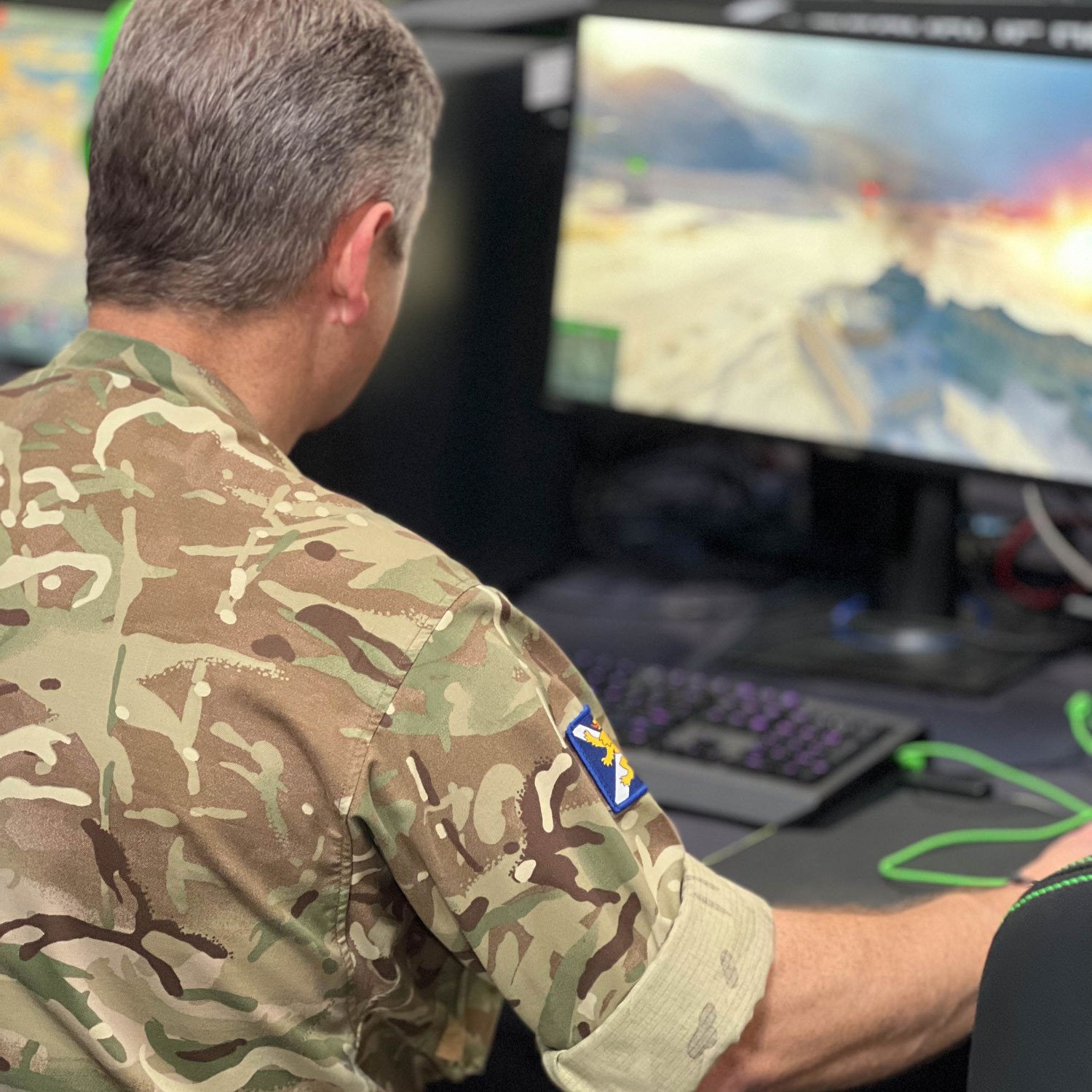
When the UK launches military esports games to boost cyber skills, it is not chasing a fad. It is reacting to a battlespace where a hostile code can be as dangerous as artillery. The International Defence Esports Games (IDEG) bring more than 40 allied nations together in London including Canada, Poland, Romania, etc., turning competitive gaming into a structured training ground for cyber-age warfare and signalling a serious commitment in the latest
From hobby to Military Sport
In 2024, the Ministry of Defence formally recognised esports as an official military sport, unlocking funding, facilities, and command-level backing. That decision paved the way for the UK to launch military esports games to boost the cyber skills narrative that now underpins IDEG, aligning the tournament with the government’s Plan for Change and its focus on national resilience in cyberspace.
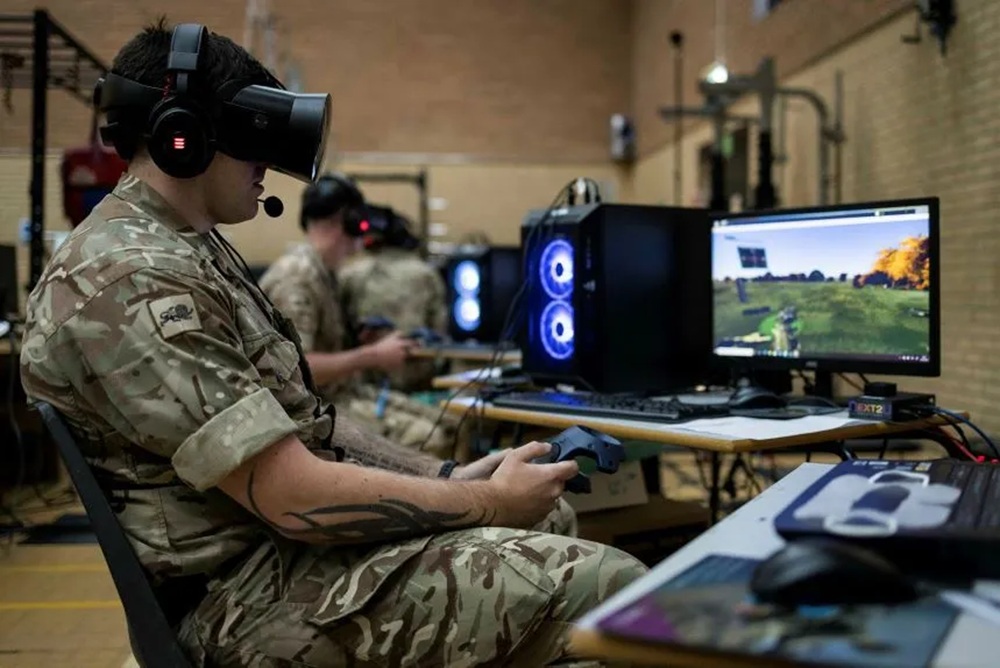
Esports simply extends an old military habit into a new domain. Sport has always helped forces build fitness, discipline, and leadership. Now the same logic applies in the digital arena, where rapid decision-making, crisp communication, and teamwork still define success – just with headsets and controllers rather than boots and bayonets.
Cyber Pressure and gaming skills
British officials warn that the UK faces a rising tempo of serious cyber incidents every year, including hundreds judged “nationally significant” by the National Cyber Security Centre. In that context, the idea that the UK launches military esports games to boost cyber skills looks less like a gimmick and more like a logical adaptation.
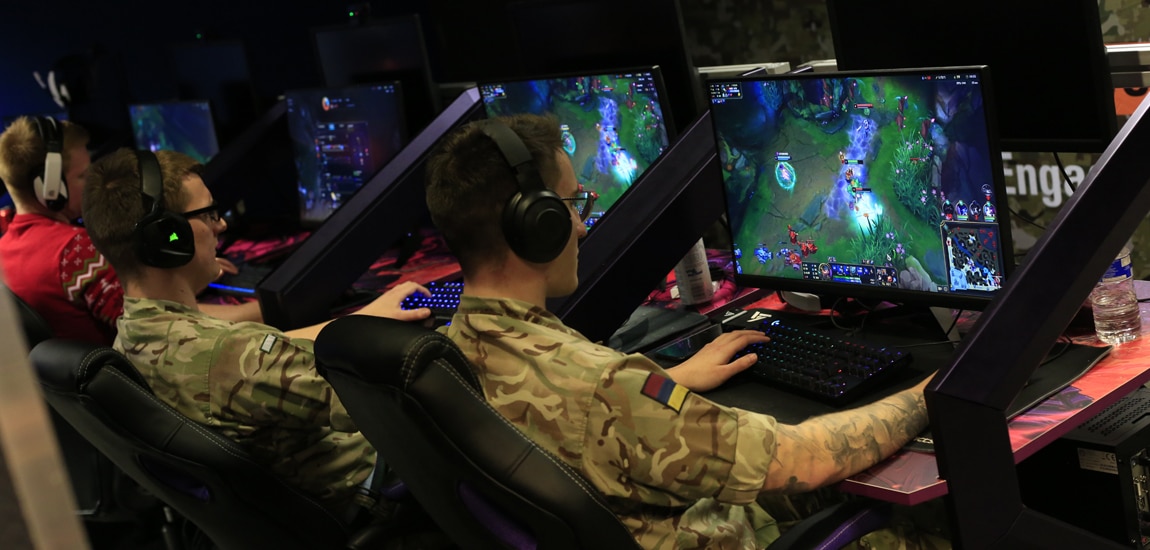
Competitive gaming forces players to track multiple threats, re-task teammates, absorb real-time intelligence, and decide in seconds. Those are precisely the cognitive skills demanded by cyber operators: monitoring intrusion dashboards, incident responders coordinating across time zones, and staff officers juggling contested information in joint operations centres.
IDEG26: Sunderland as a live testbed
IDEG26 will culminate at the new National Gaming and Esports Arena in Sunderland in October 2026, with finals live-streamed worldwide and backed by summits on cyber security, AI, and drone operations. Sunderland becomes more than a host city; it turns into a live laboratory for digital training, talent spotting, and alliance networking as the UK launches military esports games to boost cyber skills.
The venue sits within the wider National Esports Performance Campus, which anchors a regional gaming and broadcast cluster. That ecosystem gives the armed forces access to developers, tournament organisers, and hardware vendors that can iterate much faster than traditional defence procurement cycles.
Lessons from Ukraine Drone War
Ukraine’s experience sits in the background of every briefing about IDEG. Ukrainian units have used commercial hardware, game engines, and bespoke simulators to train drone operators, test tactics, and refine targeting drills; many crews “fly” hundreds of virtual missions before ever launching a live sortie.
The UK directly borrows from this playbook when it launches military esports games to enhance cyber skills. Drone simulators and esports-style training environments let crews rehearse risky tactics without risking aircraft, pilots, or expensive munitions. They also allow commanders to collect performance data at scale, feeding back into doctrine and equipment requirements.
For readers tracking unmanned systems, Defence News Today’s dedicated drones and counter-drone warfare coverage already chronicles how similar approaches have reshaped Russian and Ukrainian concepts of operation.
Ben-Gurion’s Remarks on Pakistan After Arab-Israeli War
Iranian Army Chief Qaani: Mossad Agent Allegations
New Russian Tobol EW System Redefines Warfare
From keybinds to kill chains
Traditional command-post exercises remain indispensable, but they are expensive, infrequent, and tied to specific locations. In contrast, a military esports league can run almost continuously, rotating maps, mission types, and rule sets to stress different skills. When the UK launches military esports games to boost cyber skills, commanders gain a flexible testbed for cognitive loads, teamwork models, and even basic human factors such as fatigue.
A squad that performs well in a high-stress first-person shooter tournament will not automatically excel in urban clearance, of course. However, the competition can reveal which leaders communicate clearly under pressure, which players adapt fastest to new scenarios, and which tactics succeed when information is ambiguous. There are no killstreak rewards here – only data points for future promotion boards and training plans.
Industrial and media partners
BAE Systems, Babcock International, and the British Forces Broadcasting Service have aligned themselves with IDEG as technology, mission, and media partners, reinforcing the industrial backbone behind the UK launching military esports games to boost the cyber skills initiative.
For IDEG26, global advertising agencies M&C Saatchi and Babcock International step in as founding partners, while the British Esports Federation outlines plans to expand participation across the wider defence community. Over time, the same network could support AI-assisted coaching tools, cyber-range integration, or classified red-teaming overlays that push the format closer to live operations training.
Allied participation and long-term potential
More than 40 allied nations have already signalled interest or active participation in IDEG. Early contingents from the UK, Canada, Poland, Romania and others treated the event as both a competition and an informal staff college. This multinational format allows UK military esports focused on cyber skills to also enhance interoperability in daily operations. Players refine shared terminology, communication styles and a common picture of evolving cyber threats.
Organisers already plan to broaden eligibility beyond serving personnel and traditional reservists. Future tournaments should welcome cadets, veterans, civil servants, and defence industry cybersecurity specialists to the ecosystem. That shift reflects a simple reality about cybersecurity talent today. Many of the most advanced skills still sit outside regular uniformed ranks and classic command structures.
Wider defence innovation picture
Military esports will never replace live exercises or classic red-flag air combat training. They also cannot substitute for full-scale cyber range drills run on classified networks. Yet the UK’s new military esports push still matters for cyber readiness. It gives commanders a low-cost, high-engagement way to build instincts and test ideas. This experiment sits alongside synthetic training environments, digital twins, and AI-enabled decision support systems.
For cybersecurity and information warfare analysts, IDEG becomes a useful real-world laboratory. It shows how defence ministries can harness civilian technologies and gaming cultures instead of resisting them. Readers can explore deeper coverage in Defence News Today’s cyber warfare and information operations section. There we track how militaries blend traditional forces with digital capabilities from NATO to the Indo-Pacific.
Conclusion
In the end, IDEG’s success will not be measured by trophy counts but by how many cyber incidents were detected earlier, how many drone operators made better calls under stress, and how many potential recruits realised that the path from the console to the command post now runs through a very formal and competitive arena.
References
- https://www.gov.uk/government/news/uk-launches-military-esports-games-to-boost-cyber-skills GOV.UK
- https://britishesports.org/the-hub/press-releases/mod-british-esports-international-defence-esports-games/ British Esports Federation
- https://www.ncsc.gov.uk/news/uk-experiencing-four-nationally-significant-cyber-attacks-weekly NCSC+1
- https://esports-news.co.uk/2025/11/21/sunderland-gaming-and-esports-arena-chosen-as-destination-for-inaugural-international-defence-esports-games/ Esports News UK
About the Author