Mercedes-Benz Defense Shift: Europe’s Industrial Signal
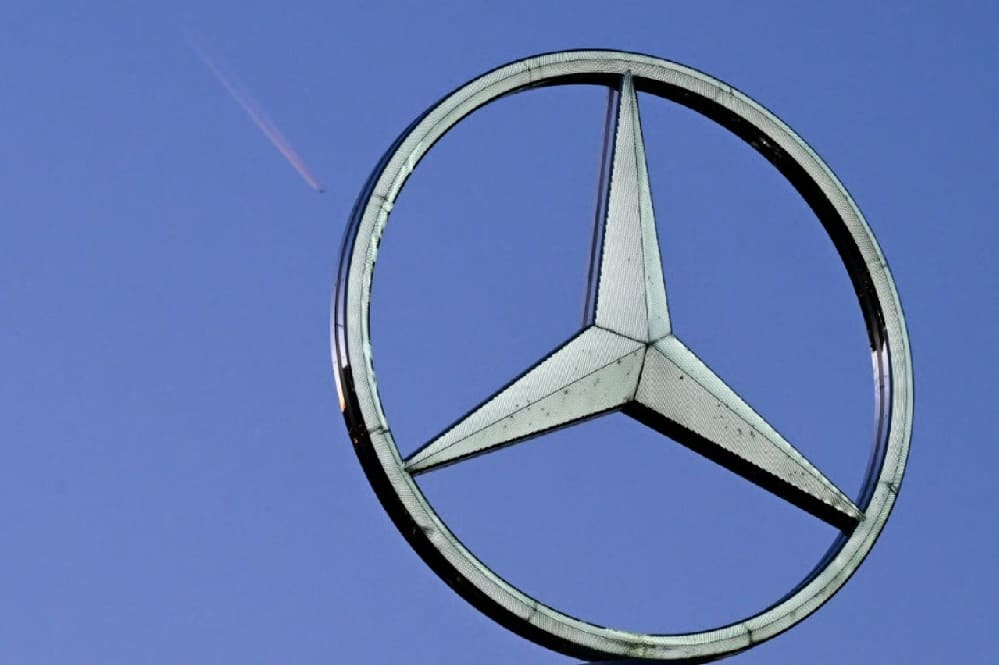
With Europe rethinking its industrial base, Mercedes-Benz’s defense ambitions look more serious. CEO Ola Källenius has not dismissed a foray into the defense business, saying the world is more unpredictable and Europe needs to beef up its military muscle. His comments reflect a broader shift across German industry since Russia’s full-scale invasion of Ukraine in February 2022.
However, that doesn’t mean Mercedes-Benz would suddenly become a weapons manufacturer. Instead, the company looks more like it could grow into defense-adjacent manufacturing, specialist vehicles, chassis supply, mobility platforms and partner-led military applications. That plays into its engineering strengths and limits reputational and operational risk.”
Catering Europe’s Defense Needs
The Mercedes-Benz defense debate comes amid Germany’s ramping up of military spending and its industry’s push to support its national security goals. There is more focus in Berlin on readiness, logistics and the availability of equipment since 2022. Now, big civilian manufacturers are asking new questions about whether they can support defense supply chains.
The clearest example of this trend is Rheinmetall. The German arms group has enjoyed rapid growth, including moves into naval systems and drone-related areas. Meanwhile, traditional carmakers are under pressure from tariffs, thin margins and fierce competition from China. Therefore, defense could be a small but useful growth channel.
Mercedes-Benz Potential
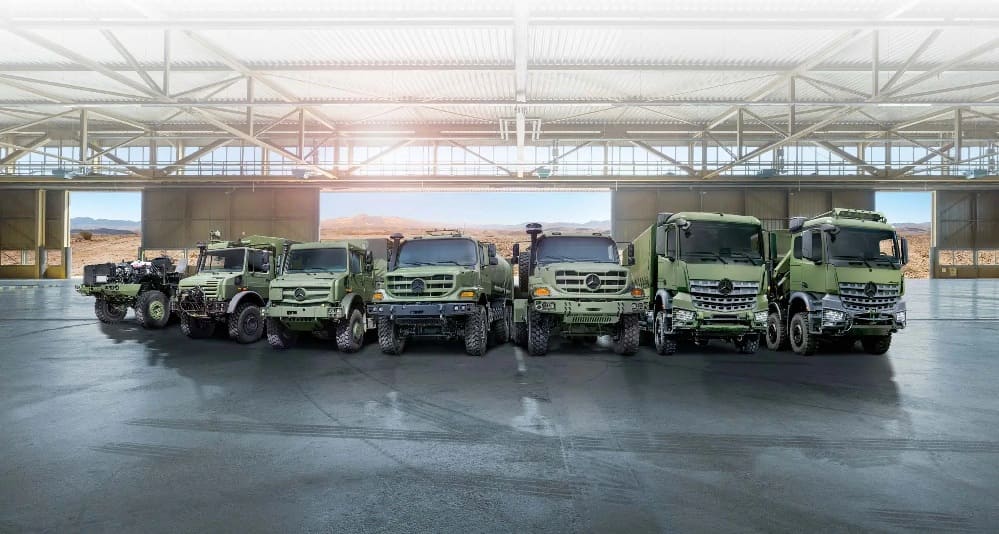
That suggests Mercedes-Benz’s defense activity would likely be concentrated in areas near its current capabilities. The company already sells chassis to specialised companies, which then equip and sell them as military vehicles under their brand names. That provides Mercedes-Benz with a practical entry point without the need to take full responsibility for complete combat systems.
They would make sense for military logistics vehicles, protected support platforms, command vehicle bases and specialist mobility systems. Mercedes-Benz also has a long history of high-quality manufacturing, durable drivetrains, commercial vans and heavy-duty transport solutions. These capabilities are important because modern armies need reliable mobility as well as sophisticated weapons.
Källenius did not specify which products Mercedes-Benz might make. But he said it would still be a small part of the overall group when compared with passenger cars and vans. Still, he said it could be a fast-growing niche that could help boost the company’s financial performance.
Similar Signals from Volkswagen
The talk of a Mercedes-Benz defense follows similar signals from Volkswagen. Volkswagen chief executive Oliver Blume said in March that the group was in contact with defense firms. Reports connected the talks to a possible production of military transport equipment at a German factory.
Media reports said the talks involved Israeli company Rafael Advanced Defense Systems, which developed Iron Dome. Volkswagen, however, has attempted to distinguish between defense-related industrial work and the direct manufacture of weapons. This is important because European carmakers have to balance commercial opportunity, public scrutiny and political risk.
Defense Diversification and Business Logic
Mercedes-Benz’s diversification of its defense business could help the company in a changing market to make better use of its engineering capacity. German automakers contend with challenging conditions, including softer demand in certain segments, trade pressure and aggressive Chinese electric vehicle competition. So, limited defense work can help underpin margins without replacing the core automotive business.
Defense customers also value long-term supply relationships. Governments frequently fund multi-year programmes, particularly in the areas of logistics, mobility and protected transport. As a result, car companies might discover steady demand in military support applications. However, defense procurement has to meet strict compliance, export control and political requirements.
Risks for Mercedes-Benz
There would be no lack of challenges for Mercedes-Benz’s defense plans. Defense contracts can provoke public criticism, particularly when foreign partners or conflict-related systems are introduced. Military production also requires certification, security controls, export licensing and specialised after-sales support.
The company also can’t dilute its premium brand identity. Mercedes-Benz was founded on luxury and safety and engineering excellence. So any move of defense must be carefully placed as security, mobility and logistics support rather than a free shift into arms manufacturing.
Conclusion
The Mercedes-Benz defense signal is an example of how Europe’s security environment is changing the civilian industry. The company may not become a major arms producer but could support defense through chassis, mobility systems and partner-led platforms. That is important for Europe.
Industrial depth is part of deterrence now. For Mercedes-Benz, the opportunity appears limited but meaningful. When executed correctly, defense work has the potential to be a profitable niche and simultaneously address Europe’s broader security requirements.
References
- https://www.reuters.com/business/mercedes-benz-ceo-tells-wsj-carmaker-willing-enter-defense-production-2026-05-15/
- https://www.arabnews.pk/node/2643804/world
- https://www.defensenews.com/global/europe/2026/03/26/volkswagen-in-talks-to-make-iron-dome-parts-at-struggling-german-auto-plant-report/
- https://special.mercedes-benz-trucks.com/en/mercedes-benz-defence-trucks/general/intro.html
About the Author