
Lockheed Next Generation Interceptor Factory Opens
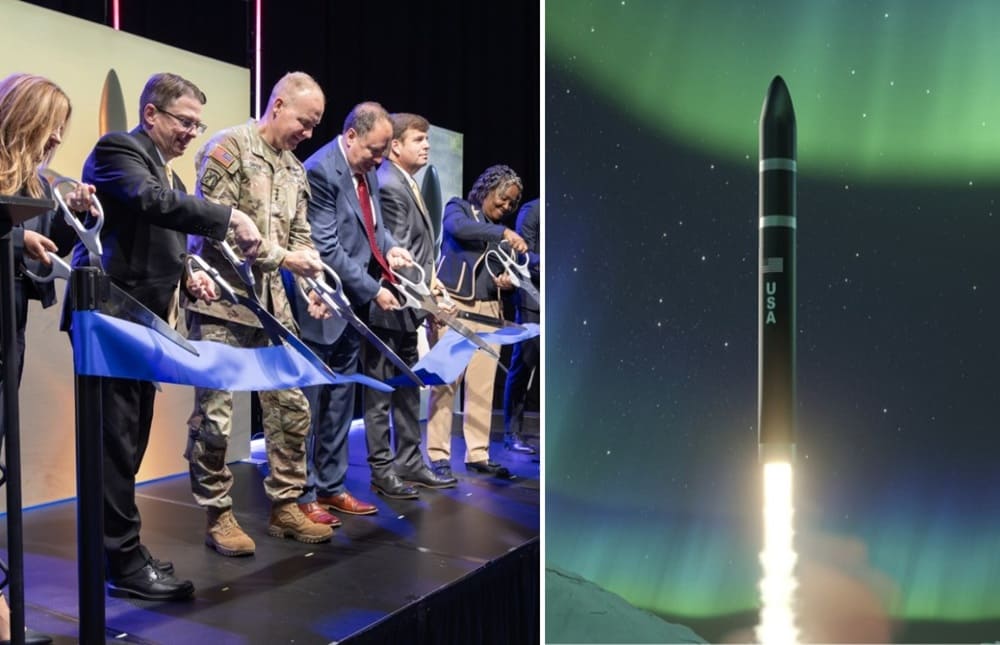
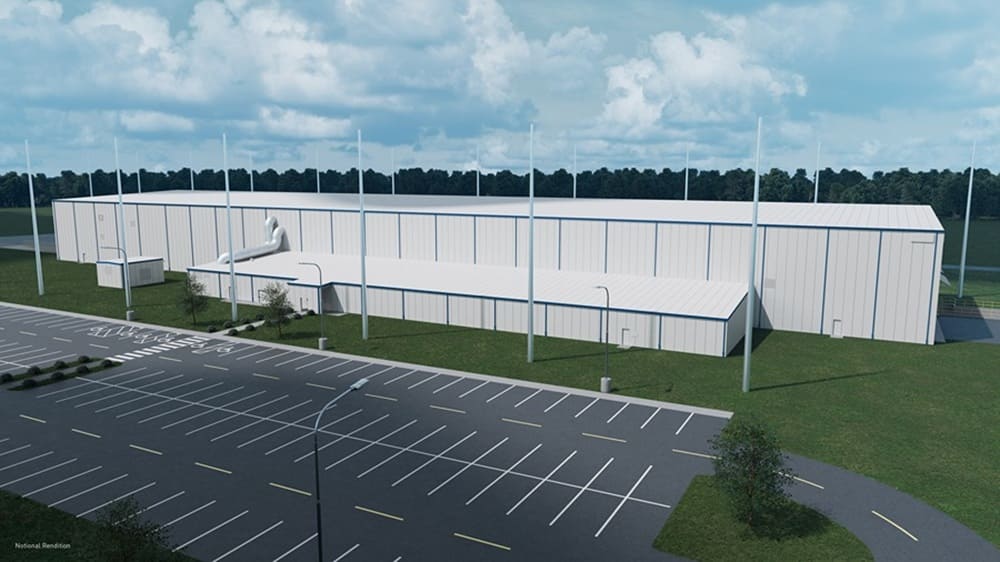
Lockheed Martin has opened a production line in Courtland, Ala., specifically built for the Next Generation Interceptor. On June 1, 2026, the company opened Missile Assembly Building 5, or MAB-5, an 88,000-square-foot site for future interceptor production. The facility will support the Missile Defense Agency’s Next Generation Interceptor programme.
The Ground-Based Midcourse Defense system will see its current Ground-Based Interceptors replaced by this new system. The Lockheed NGI plant is pivotal because these interceptors protect the continental United States. They defend against long-range ballistic missile threats. Therefore, MAB-5 is more than a factory opening. It shows America’s next homeland shield moving from engineering work into producible capability.
Why MAB-5 is Important
MAB-5 gives Lockheed a dedicated area to build large interceptors but also supports the Pentagon’s drive to increase missile production and strengthen the defense industrial base. “It puts technology, deterrence and production capacity all in one program,” Gen. Michael Guetlein said, describing it as part of the nation’s “Arsenal of Freedom.”
Washington wants a layered missile defense network that can deter, scale and adapt. But it wants factories ready before operational deadlines become pressure points. Courtland also provides a visual production anchor for the programme as Golden Dome moves from concept language to acquisition reality.
Digital Manufacturing Reduces Risk
Lockheed built its Lockheed NGI plant with digital engineering, automated manufacturing and modern quality control. Digital tools link design data directly to the factory floor, helping production teams minimise handling errors and safeguard configuration control, the company says. This approach matters because interceptors need tight tolerances, reliable propulsion, advanced sensors and precise engagement software. However, complex weapons are often delayed when design teams and production teams work with disconnected data. A digital manufacturing chain enables engineers to speed up design changes and improve repeatability as production scales.
Open Architecture Expands NGI
The Next Generation Interceptor is an open-system design that allows it to connect to space-based sensors, ground radars, command-and-control nodes and other interceptors. NGI therefore suits the layered defense model that is shaping Golden Dome planning now, with Lockheed also highlighting modularity for future upgrades within the missile silo.
That point is important because legacy interceptor upgrades could require removal, transportation and refurbishment, whereas in-silo enhancements could reduce downtime and ease sustainment pressures. L3Harris is also supporting the Lockheed team as a propulsion provider, with large solid rocket motors, a Divert and Attitude Control System and an Attitude Control System. These elements help NGI to accomplish its hit-to-kill mission in midcourse engagement.
Golden Dome Drives Urgency
Golden Dome would combine ground-based interceptors with space-based tracking and advanced command-and-control into a more powerful national shield. In March 2026, Reuters reported that the estimated cost of the programme had risen to $185 billion and that Lockheed Martin, RTX and Northrop Grumman had joined the command-and-control effort as prime contractors.
Adversaries are investing in decoys, manoeuvring re-entry vehicles, hypersonic glide vehicles and larger salvos, making missile threats harder to defeat. Homeland defense planners therefore need faster tracking, better discrimination and deeper magazines, not just legacy interceptors and fixed sensor networks.
Industrial Resilience Turns Strategic
Modern air and missile defense is all about production depth, as even capable systems become strategically irrelevant if industry cannot replenish or upgrade stocks fast enough. The value of the Lockheed NGI factory extends beyond the missile itself to readiness, sustainment and future surge capacity.
It also fits with a wider US trend, as Lockheed has announced more missile production investment in Alabama, including an 87,000-square-foot Munitions Production Center in Troy. The second Alabama site will support THAAD and NGI-related production lines, but Reuters reported that the Troy expansion is part of a $8 billion to $9 billion Lockheed investment plan through 2030.
What’s Next
The next big NGI milestone is Critical Design Review, and Lockheed says core technologies are demonstrating system-level performance ahead of that step. They include sensors, propulsion, engagement capability and software. Flight tests then will determine whether NGI can live up to its schedule and performance promises.
Three issues that defense watchers should monitor: First of all, can digital manufacturing shorten production times? Second, will NGI mesh cleanly with Golden Dome’s space-based tracking layer? Third, is the industrial base capable of producing enough interceptors to form a credible homeland shield?
Conclusion
The Lockheed NGI factory is a serious step from concept to manufacturing. MAB-5 provides the United States with a dedicated production base for its future homeland interceptor, but the real test will come after design review and flight trials. If NGI delivers as expected, Courtland could become one of the most important missile defense sites in the United States.
References
- https://news.lockheedmartin.com/2026-06-01-Lockheed-Martin-Opens-Next-Generation-Interceptor-Facility-in-Courtland%2C-Alabama
- https://defensenewstoday.info/northrop-tests-gps-free-tech-for-hypersonic-manoeuvring/
- https://www.l3harris.com/all-capabilities/next-generation-interceptor
- https://defensenewstoday.info/hypersonic-missiles-without-warheads-decisive-kinetic-effects/
- https://www.reuters.com/business/aerospace-defense/us-expands-golden-dome-cost-estimate-185-billion-enlists-top-defense-firms-2026-03-17/
- https://www.reuters.com/business/aerospace-defense/lockheed-martin-breaks-ground-alabama-missile-plant-2026-05-21/
About the Author