Lockheed Martin X-44 MANTA
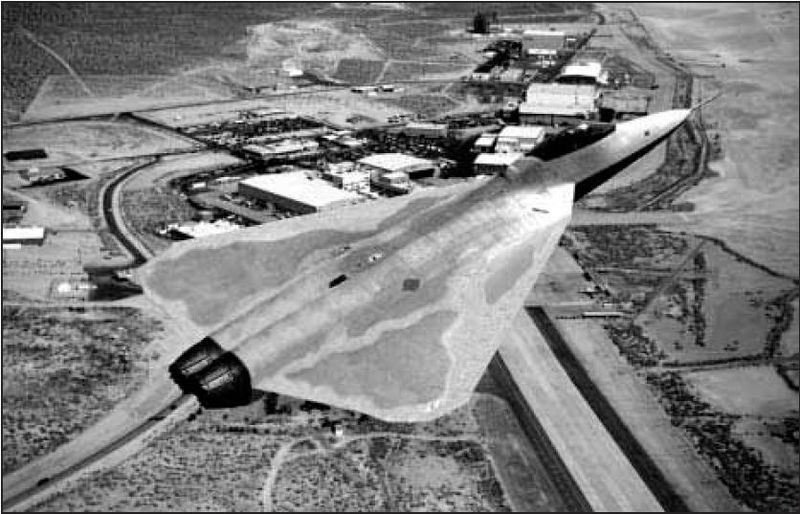
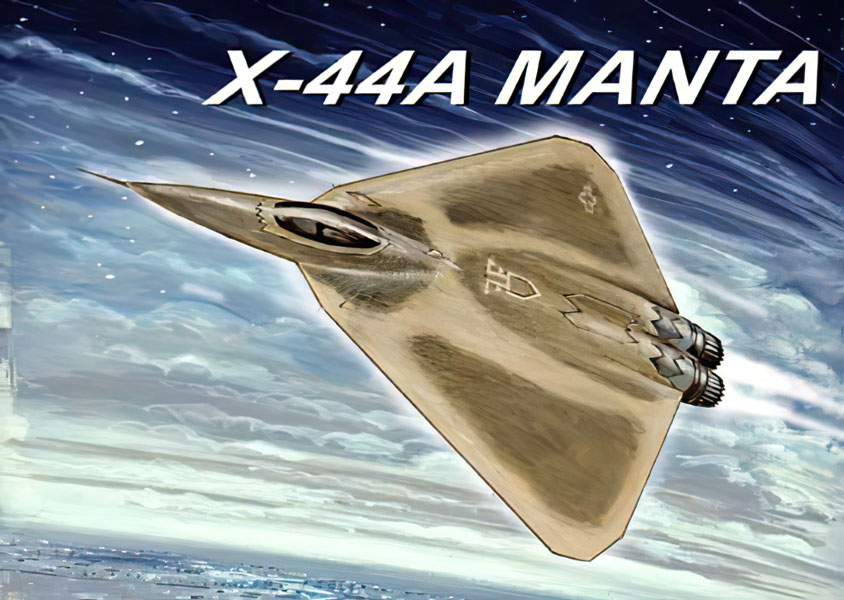
Lockheed Martin, NASA, and the U.S. Air Force collaborated to develop the innovative fighter concept known as the X-44 MANTA, or “Multi-Axis No-Tail Aircraft.” Launched in 1999, the project aimed to build a highly manoeuvrable tailless stealth jet based on the F-22 Raptor. The fighter, which used cutting-edge thrust-vectoring engines to push the limits of stealth and agility, had the potential to alter aviation history.
X-44 MANTA Concept Revealed
It was a fighter jet design with no tail that was very stealthy and could move around very quickly. It didn’t have a traditional tail, which usually makes things more stable but makes them easier to see on radar. This design was meant to make it harder for radar to find it while also making it more agile in the air. The plane also planned to use thrust-vectoring engines to move in different directions. That mix might have made it hard to find and very quick in battle. If it had been built, it could have changed the history of aviation and the U.S. Air Force’s abilities.
Concept to Cancellation
NASA and the U.S. Air Force worked together in 1999 to look into the possibility of a stealth fighter without a tail. It could have changed the course of aviation history, but in 2000, money problems led to the project’s cancellation. After the Cold War, officials had to put the programme on hold because they didn’t have enough money for defense. Back then, America was focused on saving money. Because of this, costly future-orientated projects like the X-44 MANTA had little chance of making it.
Design Features
Despite its cancellation, its specifications were remarkably advanced for its time:
- 20 mm internal cannon—adding close-quarters combat capability.
- AIM-9 Sidewinder Missiles—heat-seeking missiles ideal for short-range air-to-air combat.
- AIM-120 AMRAAM Missiles—long-range air-to-air missiles with advanced radar-guided technology.
- GBU-32 JDAMs—precision-guided bombs for effective ground targeting.
Its weapon design showed its flexibility across many combat roles. Its advanced weapons and stealth-focused design set it apart from other fighter jets. This is why it could have changed the history of aviation.
Advanced Thrust Vectoring for Extreme Agility
The thrust-vectoring engines were one of its most important new features. The X-44 MANTA was built to be agile only through thrust vectoring, unlike regular jets that use tails to stay stable and control their movements. This method made the vehicle easier to move around and made its radar cross-sections smaller, which was in line with the goal of stealth. The MANTA’s thrust-vectoring system made it easier to control the plane at high speeds. This is why this fighter could have changed the course of aviation history if it had been made.
Canceled X-44 MANTA
Budget shortfalls put the project on hold in 2000. After the Cold War, the U.S. sharply reduced its defense budget. This was because the government wanted to save money instead of trying out new technologies. Ironically, 9/11 would change U.S. military priorities, raise defense budgets, and pay for advanced fighter programmes like the F-35 just a year later. If the MANTA project had lasted, it could have changed the history of aviation by setting new standards for stealth and agility.
Legacy and NGAD Influence
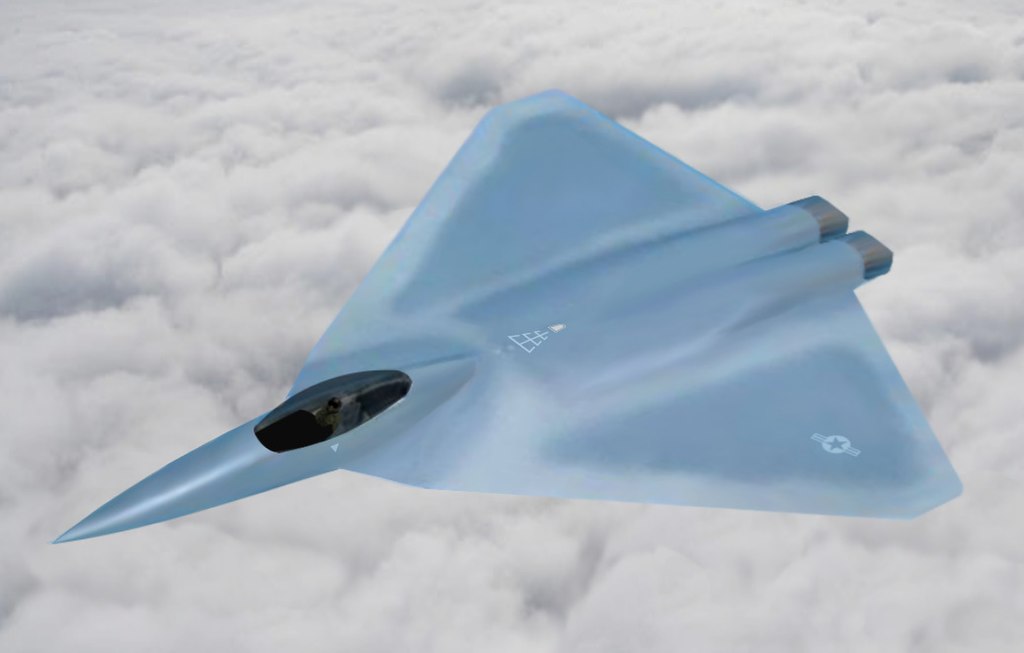
The X-44 MANTA never went into production, but its impact is still felt. Many experts think that the new tailless design has influenced modern programs like the U.S. Air Force’s Next Generation Air Dominance (NGAD) project. The NGAD program’s idea of a sixth-generation fighter that doesn’t have a tail and can move around easily seems to be similar to the idea behind the X-44. Since the NGAD was still in the idea stage, the X-44 project could be used as a model to remind military planners of its untapped potential.
Unfulfilled Combat Potential
We can’t say enough about how useful it could have been in air combat. Lockheed Martin and NASA thought of a plane that would be less visible than the F-22 by taking off its tail surfaces. That design would have made it much harder for enemy systems to find it with radar. The X-44 MANTA could have changed the course of aviation history with its radical design that didn’t have a tail. Its incredible speed may have given it a big advantage in tough aerial dogfights. It may have also had an effect on the design of modern fighter planes.
X-44 MANTA’s Hypothetical Operations
The X-44 MANTA was more than just a cancelled project for people who love military technology. It was a big “what if” in the history of military aviation. Engineers wanted it to be the next-generation fighter that would replace the F-22 Raptor. Its design promised improvements that could have changed the way modern fighters are made. The F-22 is well-known for being very quick and hard to see. The MANTA could have given the military an aeroplane with even better stealth and agility because it didn’t have a tail and could change the direction of its thrust. This makes it a lost opportunity in the history of air combat.
The Stealth Fighter That Never Flew
Looking back, the X-44 project was a forward-thinking design that gave hints about future fighter technologies. It showed what the next generation of fighters could do by focusing on stealth and agility and using thrust-vectoring engines. Even after cancellation, its legacy influenced modern aircraft designs and showed how close aviation came to fielding it.
A Lasting Aviation Legacy
This project is still a source of inspiration and speculation today. The lessons learned from its design still affect fighter development programmes, such as NGAD. The X-44 MANTA’s bold and unusual design could have changed the history of aviation. Its legacy still shows what might have been possible in air combat in the future. The idea is still a great example of how creative aircraft design can be. It also has a permanent place in the history of military aviation.
References
- The book titled “Air Power Abandoned: Robert Gates, the F-22 Raptor, and the Betrayal of America’s Air Force” serves as a reference.
- Official reports from the U.S. Air Force’s Next Generation Air Dominance (NGAD) program provide valuable insights.
- Articles from Aviation Week and Space Technology shed light on the progress in thrust-vectoring technology.
- Lockheed Martin and NASA have provided conceptual records on the development of the X-44 MANTA.
About the Author