

Lockheed Lamprey Underwater Ship-Latch Drone
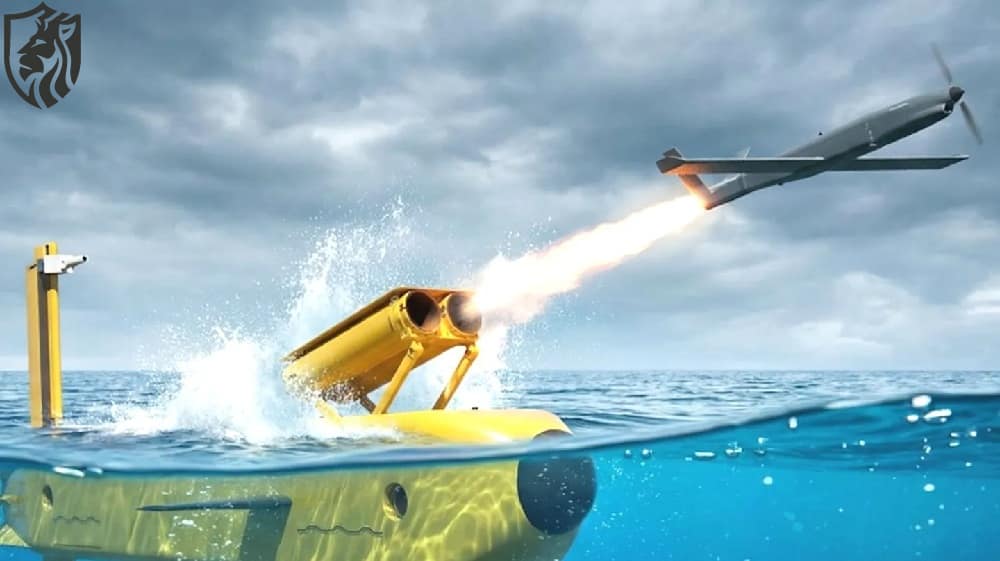
Lockheed Martin has revealed a new unmanned concept for undersea warfare. On Monday, 9 February 2026, the firm unveiled the Lamprey Multi-Mission Autonomous Undersea Vehicle, designed to attach itself to ships and then operate from the seabed up to the surface. The Lockheed Lamprey underwater drone aims to blend persistence, stealth, and modular payload options in one compact package.
Lamprey’s Mission
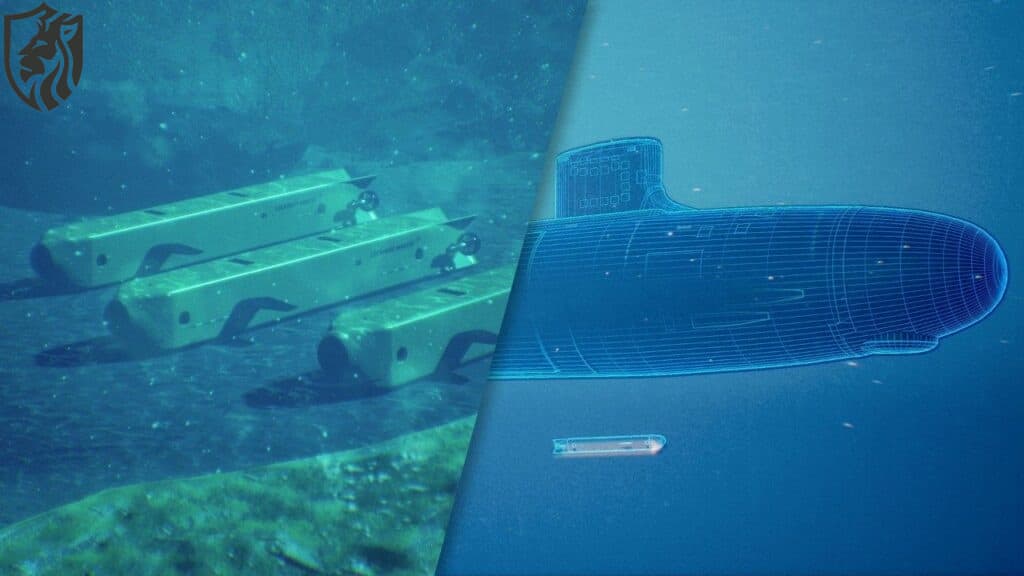
Lamprey centers on adaptability. Lockheed says the vehicle has a 24-foot payload bay that operators can modify for different tasks, from seabed work to surface missions. Moreover, it can loiter on the ocean floor and recharge its batteries by attaching to a host ship. In parallel, it can collect intelligence from the seabed while offering a low stealth profile.
Seabed Endurance & Modular Payloads
That payload space matters because it turns Lamprey into a mission “carrier,” not a single-purpose drone. Therefore, a navy can tailor the same hull for surveillance, deception, or strike effects without changing the core platform. For broader context, our Navy and Drones desks track how these concepts translate into doctrine and procurement.
Torpedoes & Decoys
Below the surface, Lamprey can launch anti-submarine torpedoes and deploy decoys. That mix supports classic undersea tasks: forcing a submarine to maneuver, breaking a track, or shaping an engagement window. However, the bigger implication is flexibility—Lamprey does not have to choose between sensing and “doing.”
UAV Launch From Undersea
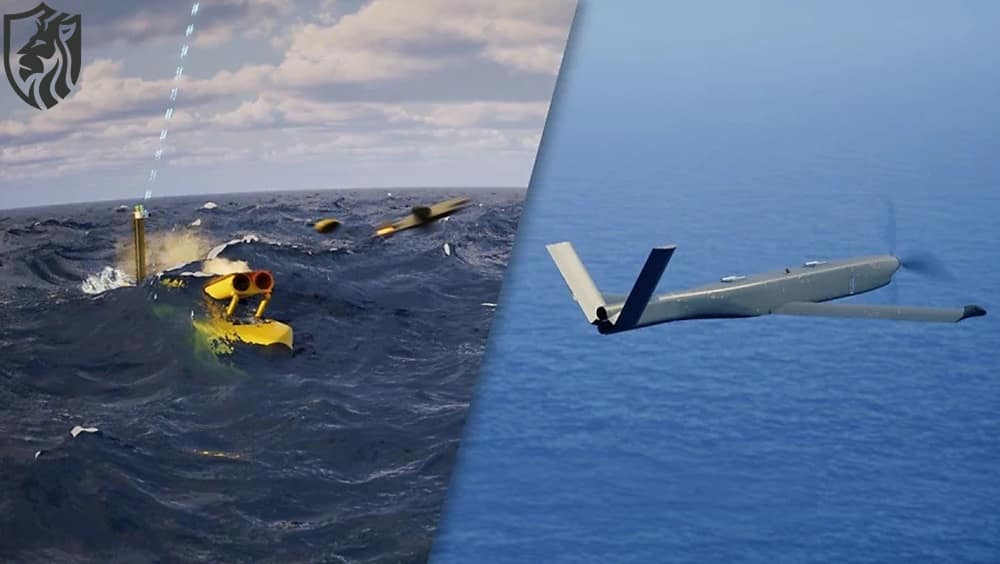
At the surface, Lamprey can launch unmanned aerial vehicles for reconnaissance or kinetic strikes. Consequently, it can support anti-ship warfare in two layers: underwater and at the surface with air-breathing assets. The Lockheed Lamprey underwater drone tries to compress sensor-to-shooter timelines by carrying its own “eyes” and “effects.”
Autonomy & Swarm Operations
Lockheed says Lamprey can deploy in swarms and communicate with other unmanned systems to execute missions. In addition, the company says it can deploy advanced surveillance technology at the surface. Paul Lemmo, Lockheed Martin’s vice president and general manager for sensors, effectors, and mission systems, said the program was internally funded, enabling rapid iteration and a design that can “detect, disrupt, decoy, and engage” on its own.
Key Unknowns
Even with those headline roles, key details remain unstated. For example, public materials do not specify endurance, comms constraints, or the exact payload fits the US Navy would prioritize. Likewise, real-world utility depends on tactics: how commanders task a swarm, manage emissions, and deconflict effects. Still, the Lockheed Lamprey underwater drone signals a shift toward multi-domain effects from an undersea platform.
Why It Matters at Sea
Persistent, low-profile systems can watch routes, monitor seabed activity, and hold ships at risk without exposing a crewed platform. Moreover, modularity lets navies experiment faster by swapping payloads instead of redesigning hulls. In practice, Lamprey reads as a distributed undersea node—built to sense, deceive, and strike when required.
References
- https://news.lockheedmartin.com/2026-02-09-Lockheed-Martin-Unveils-Lamprey-MMAUV-The-Deep-Doesnt-Let-Go
- https://www.defensenews.com/unmanned/2026/02/10/lockheeds-unveils-lamprey-undersea-drone-that-can-attach-to-ships/
- https://www.twz.com/sea/drone-mini-submarine-that-attaches-itself-to-other-vessels-unveiled-by-lockheed
- https://defensenewstoday.info/defense-branches/drones/
About the Author