
Libya to Co-Host Flintlock 2026
Why Flintlock 2026 Matters for Libya
Libya’s cohosting of Flintlock 2026 marks a pragmatic step toward military unification and state resilience. The exercise will bring western and eastern units together near Sirte, where the 2020 ceasefire line still divides the country. It pushes the format for greater cooperation under real-world constraints and puts Libyan commanders alongside seasoned partners who train with irregular threats.
A Joint Setting on a Former Front Line
Putting on Flintlock 2026 with Libya as a co-host at a site near Sirte is deliberate. The location is strategically placed along the ceasefire seam, requiring practical staff to collaborate across established boundaries. Officers must coordinate logistics, air corridors, communications, and de-confliction. These tasks matter: they nurture habits that reduce miscalculation and improve readiness for domestic security missions.
Scale, Structure, and Skills
Flintlock usually congregates more than 1,500 personnel from over 30 countries. Libya’s co-hosting of Flintlock 2026 continues this pattern while also introducing a new location in Côte d’Ivoire. Units will rotate through marksmanship, small-unit tactics, medical care, communications, and command-post drills. The schedule often includes civil-military outreach that assists nearby communities. This design improves tactical competence and public trust simultaneously.
AFRICOM’s Message and Libyan Ownership
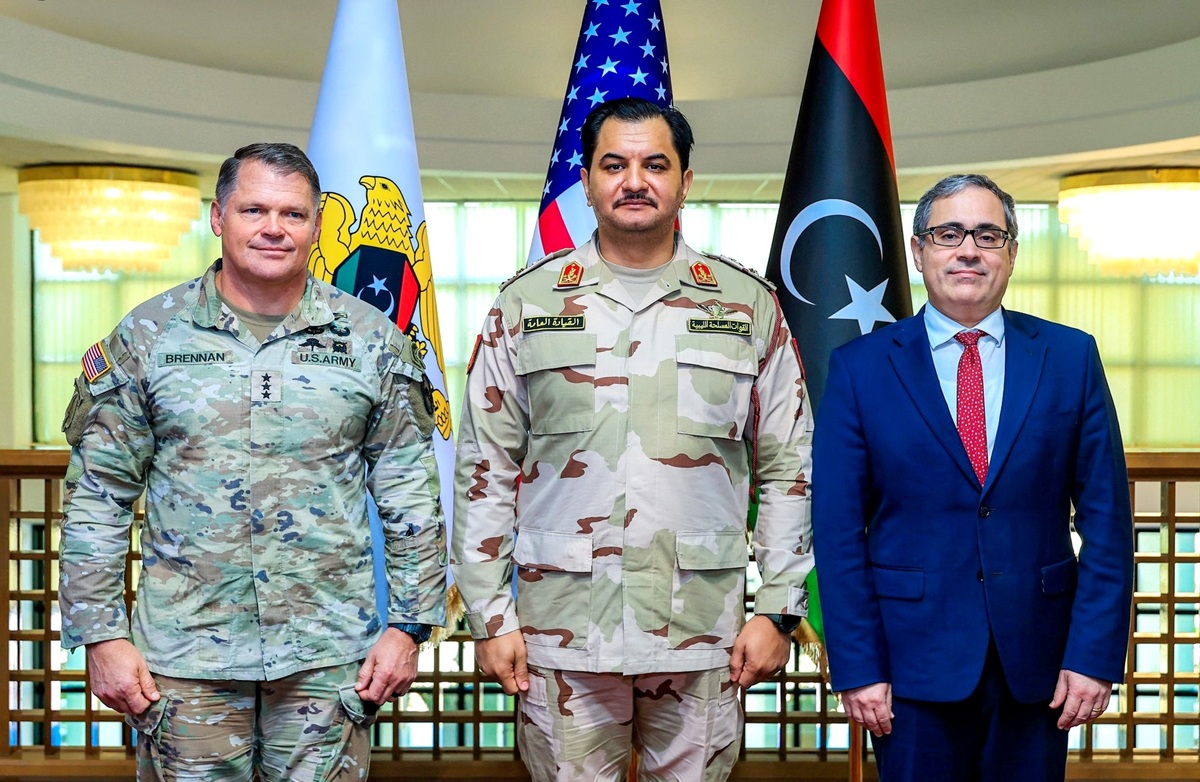
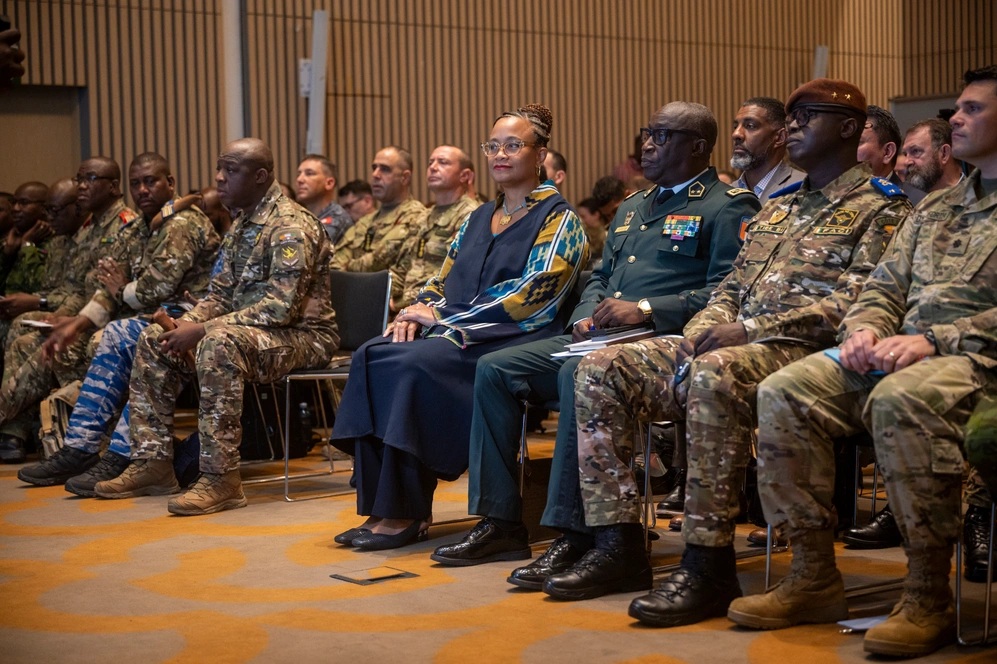
U.S. officials describe the event as an example of capacity building in service of Libyan sovereignty. The deputy commander of U.S. Africa Command underlined unification, institution-building, and a Libyan-led future. Libya co-hosting Flintlock 2026, therefore, underlines ownership—the local headquarters set the pace and validated procedures. International partners provide mentoring and safety oversight, not political direction.
Institutions, Not Individuals
Key Libyan interlocutors include the Deputy Defence Minister, Chief of Staff, and Director of Military Intelligence in Tripoli, as well as eastern commanders in Sirte. Libya, which is co-hosting Flintlock 2026, asks these offices to collaborate on planning cycles, standard operating procedures, and after-action reviews. Those processes outlast any single leader. They also produce artefacts—checklists, maps, and communications plans—that embed better practice.
Legal and Policy Context
In January 2025, the UN Security Council modified Libya’s arms-embargo framework to allow for technical assistance and training that can facilitate security-sector reform. Libya’s co-hosting of Flintlock 2026 falls squarely within that mandate. The exercise does not change battlefield balances; instead, it solidifies command relationships and improves compliance with international humanitarian law.
Counter-Terror and Border Security Gains
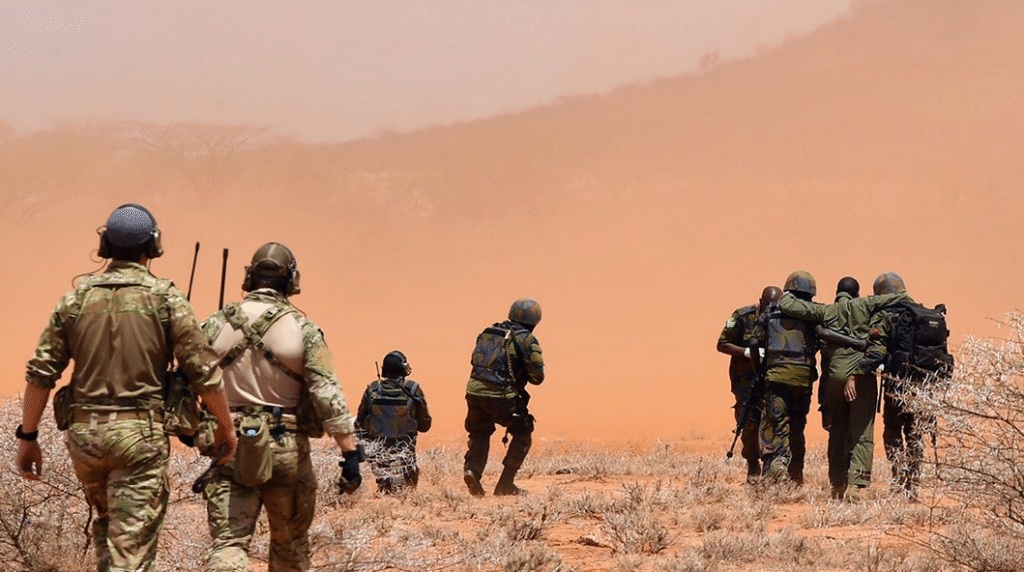
Libya is facing the adaptive non-state threats that take advantage of porous borders and long supply routes. Hosting Flintlock 2026 in Libya concentrates on those issues through joint planning, intelligence sharing, and practice drills for rapid medical evacuation. The teams also practice convoy protection and village stabilisation tasks. Those skills underpin domestic policing and interagency coordination, especially in remote districts.
European Stakeholders and Interoperability
Italy’s Special Operations Command will assist in leading the planning for the Libya spoke; the project fits with Rome’s Mediterranean security priorities and its search-and-rescue expertise. Hosting Flintlock 2026 in Libya allows for deeper interoperability between Europe and Africa on communications, airspace control, and maritime de-confliction. Shared standards shorten response times in crises.
Naval Signaling and Broader Outreach
Earlier U.S. naval port calls in Tripoli and Benghazi, the first in decades, laid the groundwork. Libya’s offer to co-host Flintlock 2026 complements that outreach: port logistics, customs processes, and liaison channels all benefit. Together, these movements normalise professional contacts between Libyan units and external partners without diluting national command.
What Success Looks Like
Success is measurable. For instance, Libya co-hosting Flintlock 2026 should end with a jointly approved after-action report, an agreed-upon training calendar, and a shared incident-response checklist for the Sirte corridor. It should also leave behind a cadre of Libyan instructors certified to replicate modules locally. That outcome hardens institutions and reduces reliance on ad hoc external support.
Risks and Mitigations
There are risks: spoilers will challenge security around Sirte, and logistics may falter under new joint procedures. Libya co-hosting Flintlock 2026 counters these risks by providing layered force protection, redundant communications, and a realistic scope. Clear rules for live-fire ranges and medical coverage protect troops and civilians alike.
References
- https://www.africom.mil/
- https://unscr.com/en/sanctions/ly
- https://www.state.gov/countries-areas/libya/
- https://www.navy.mil/Resources/Fact-Files/Command-and-Control/USS-Mount-Whitney-LCC-20/
About the Author