
T-80BVM Tank
T-80BVM’s reputation is under fire
The T-80BVM tank reliability debate has sharpened since a Russian tanker, callsign “Tim,” criticised the platform’s build quality and battlefield performance. He described frequent hydraulic leaks, fragile fasteners, and cramped ergonomics once thermal imaging kits went in.
His account challenges brochure claims and raises practical questions for operators, sustainers, and planners who bank on turbine agility in cold weather. Reports citing this interview underline issues that surface as soon as the tank rolls off the trailer, which is an alarming reliability signal for any first-line vehicle.
Turbine vs Muddy reality
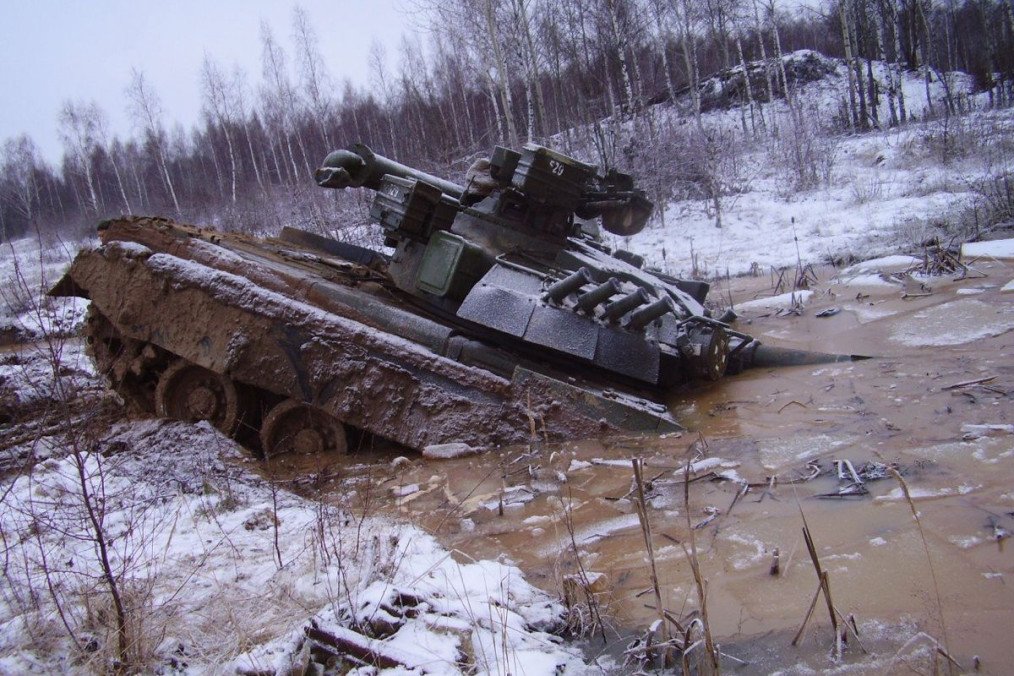
Supporters often point to the gas turbine’s quick throttle response and winter utility. However, Tim claims the T-80BVM tank’s reliability picture collapses in mud and soft, “black” soil. He says the turbine spools slowly at the moment of contact, which can prove fatal when artillery starts to walk in.
In contrast, nearby diesel-powered tanks reportedly moved off immediately. Moreover, the engine drinks fuel, needs kerosene to run at its best, and shouts like a “jet” from the flanks or rear. These details matter because fuel logistics, noise signatures, and start-up delays all shape survivability at the point of friction.
Field Maintenance Drag
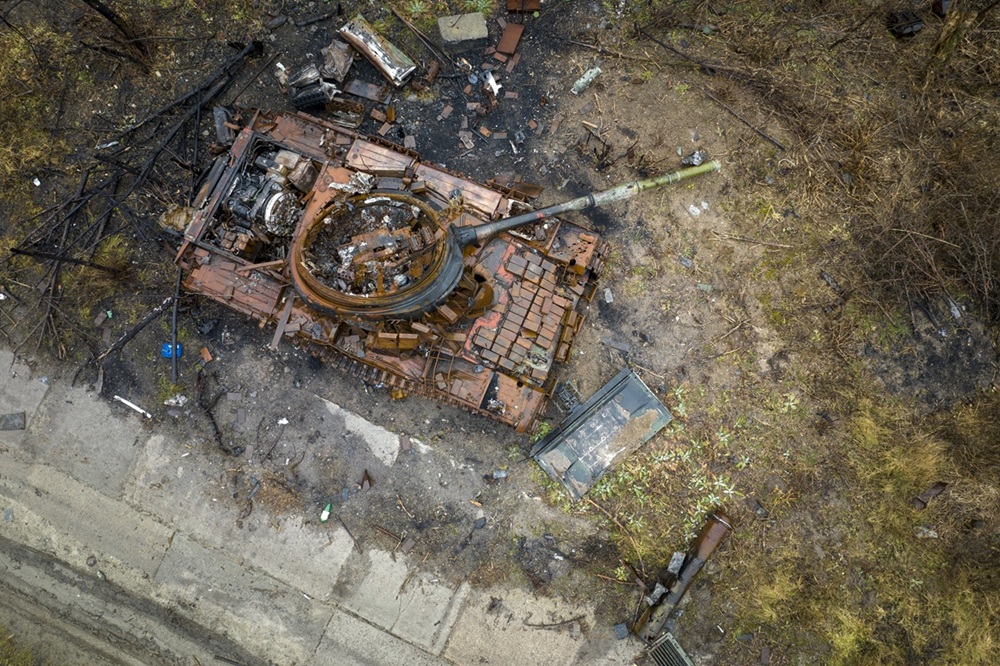
Reliability in the field depends on what crews can service under fire and weather. According to the interview, hydraulic systems leak early and often, while air intakes clog fast with debris. Crews must drain fuel filters repeatedly to keep the turbine breathing.
If true, these frictions reduce availability rates and complicate march discipline. They also push line units to cannibalise for parts, which further erodes the T-80BVM tank’s reliability narrative. In short, a maintenance-intensive design collides with austere frontline reality.
Sensors, Ergonomics, and knock-on effects
While the addition of thermal sights and additional displays aids in detection and engagement, it comes at the cost of space and power. Tim notes the commander’s position feels tight after the sensor fits.
Cramped layouts drive fatigue, slow crew drills, and increase error rates under stress. Over time, these factors compound and can degrade gunnery performance. Therefore, integration quality—not just part lists—decides whether an upgrade improves combat outcomes or merely adds weight and wiring.
“Cage” armour and drone threats
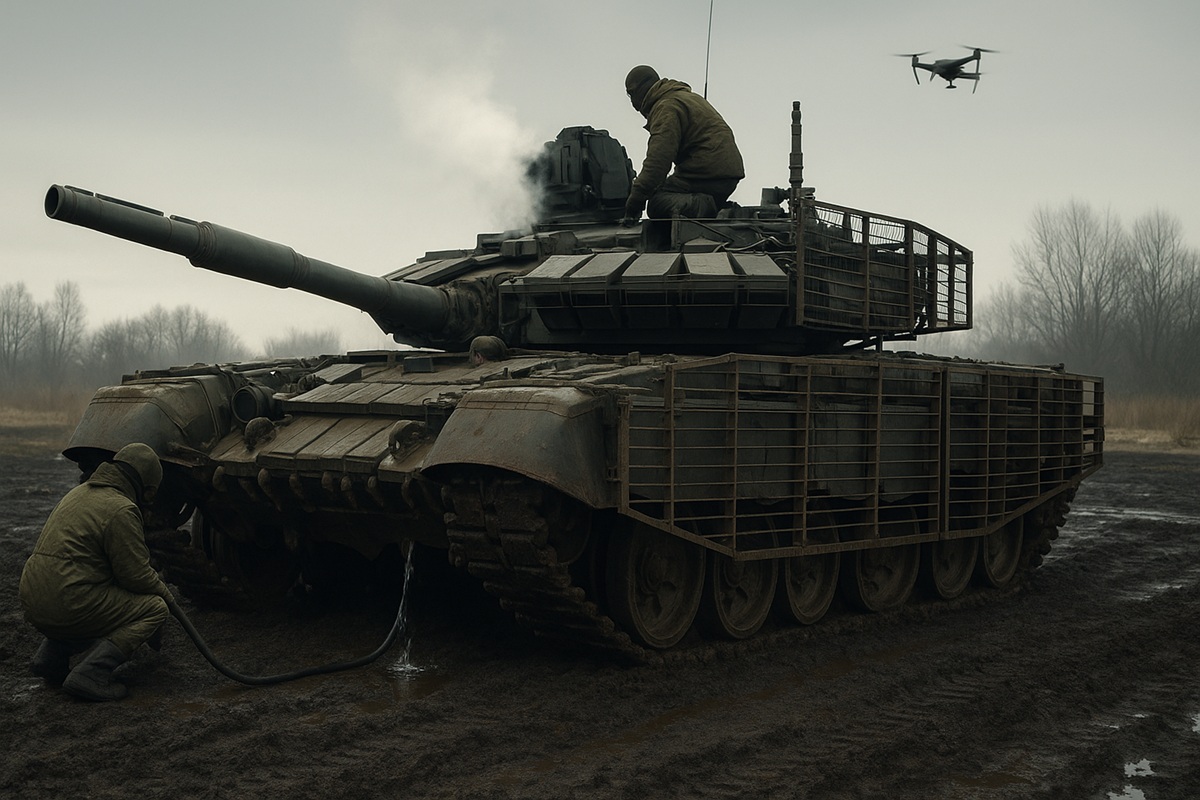
Units across the front bolted improvised “grills”, chains, and anti-drone cages onto turrets and engine decks. Crews hope to defeat top-attack munitions and FPV drones. However, the additional weight puts a strain on the turret drives, transmissions, and suspensions.
Tim argues these field mods worsen failures while offering mixed protection. This trade-off is not unique to one fleet; any add-on armour must pass a reliability and stability test cycle, or it risks shifting problems from lethality to mobility and maintenance.
ERA shortages and substitutions
Reactive armour should include blunt-shaped charges and a few tandem threats. However, availability is uneven. Accounts suggest crews mount improvised blocks that may underperform against modern warheads.
If logistics cannot sustain certified ERA sets, survivability claims will drift from specification to hope. Consequently, the T-80BVM tank’s reliability story bleeds into the protection story because armour kits are only as effective as their sourcing, fitment, and inspection regimes.
Lessons from the BMD-4M “up-armour” experiment
Russia’s airborne BMD-4M saw mesh screens and extra plates after heavy losses. Analysts note these changes fail to address the light chassis and top-attack vulnerability. The lesson transfers: structural DNA limits upgrade headroom.
When airframes, hulls, or turrets start with mass and volume constraints, add-on protection can save crews at the margins but rarely rewrites the vehicle’s risk profile. Therefore, planners should temper expectations and match missions to survivability realities.
Specs vs. serviceability
On paper, the T-80BVM fields a 1250-hp gas turbine, new thermal optics, and “Relikt” ERA. Those features read well in brochures and balance sheets. Yet availability, fuel burn, and spares determine combat power on any given day.
In the end, readiness rates, not catalogue range figures, decide whether a battalion shows up with enough serviceable hulls to win the contract. That is where the T-80BVM tank reliability debate matters most.
In Consideration
Expect more field improvisation, drivetrain attrition, and energy-chain headaches. If the challenges with turbine logistics persist, operators may shift their responsibilities to diesel fleets whenever feasible.
Alternatively, engineering teams will try to harden hydraulics, improve filtration, and validate turret-drive torque margins under cage loads. Verification will come from repeatable availability data, not isolated anecdotes.
References
- Defence Blog—Russian frontline crew criticises T-80BVM. Defence Blog – Military and Defense News
- United24Media’s summary of the same interview. United24 Media
- Defense Express – BMD-4M upgrades and persistent vulnerabilities. Defense Express
- Wikipedia – T-80BVM specifications and service history (context). Wikipedia
About the Author