Is Israel’s Army Exhausted by Multi-Front War?
The manpower shortage in Israel is no longer a minor concern. It is currently at the heart of the nation’s ability to fight wars. Chief of Staff Lt. Gen. Eyal Zamir reportedly warned ministers that he was raising “ten red flags” and that the army might soon find it difficult to carry out even routine missions in the absence of new legislation, according to Israeli media reports. The situation is significant because Israel is simultaneously attempting to maintain security and combat operations in Syria, Gaza, Lebanon, and the occupied West Bank.
Why It Matters
The main issue is not just how intense the fighting is. It is the design of the force. Israel’s military is based on a small standing army and a large reserve pool. That model is best for short, fast-paced wars. It doesn’t work as well when there is a long-term regional conflict that requires repeated call-ups, internal security duties, and constant readiness on multiple fronts. Before the war in October 2023, Israel had about 100,000 soldiers in its standing army.
Israel called up a record 300,000 reservists following the attack spearheaded by Hamas. That difference is crucial for defense readers. An army with many reserves can move quickly. But it also brings military stress into everyday life. Jobs, college, family stability, and business income all play a role in how ready someone is. Therefore, the real question is whether the reserve system can still carry the strategic burden.
Troops Are Stretched
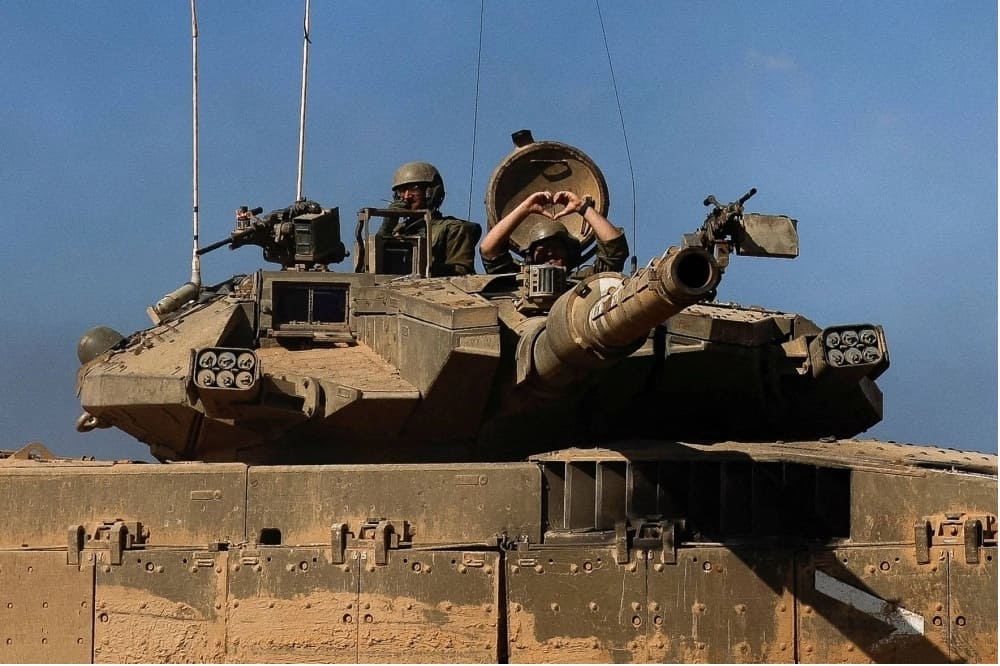
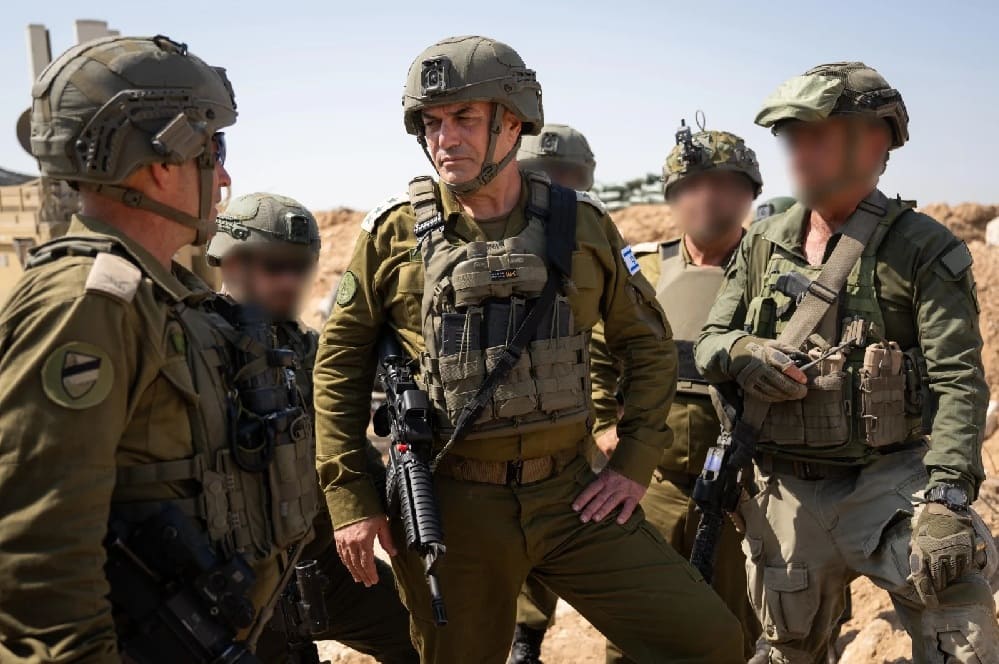
The load has gotten heavier again in 2026. The IDF said on March 1 that it had called up another 100,000 reservists, on top of the 50,000 who were already on duty. The Home Front Command called up 20,000 reservists, and the Air Force, Navy, and Intelligence Directorate also got more troops. Ground troops reinforced the borders with Syria and Lebanon, as well as Gaza and the West Bank.
This strategy matters because it avoids overburdening forces in a single theater. Many people are sharing this responsibility. Lebanon needs to be able to protect its borders and attack. Gaza still needs ground troops, logistics, and rotation cycles. As the need for security and the number of settlements grows, the West Bank now takes in more troops. Even if each front seems simple to handle on its own, their combined demand can wear down readiness over time.
Reserve Burnout Deepens
The problem with the reserve is no longer just a theory. Israeli news reports indicate that reservists are experiencing increasing burnout after more than two years of continuous fighting. In a Ynet article from December 2025, a reservist who had served about 350 days said that men on his team had lost jobs, seen their families struggle financially, and put off their studies for long periods of time. Such tiredness doesn’t just lower morale. It can also make fewer people show up for future calls.
From a military perspective, this is where exhaustion becomes an issue. An army can still look big on paper even though it is losing useful capacity in real life. Units may still have names, lists of people, and equipment. But if it becomes harder to remobilize experienced reservists, the number of reliable workers goes down. So, the debate over whether Israel’s army is exhausted is less about a sudden collapse and more about a slow decline in its ability to last.
Politics Behind the Shortage
The lack of workers also adds to the political fight at home. Zamir reportedly called for a conscription law. He also urged a reserve service law. In addition, he backed extending mandatory military service. Thereafter, opposition leaders used the warning to criticize the government for giving many ultra-Orthodox Haredi men long-term exemptions. Former Prime Minister Naftali Bennett said that the IDF needed about 20,000 more soldiers. Opposition leader Yair Lapid called for immediate action against what he called “draft dodgers.”
This is the hardest part of the problem for analysts. Israel can order more operations faster than it can train more soldiers. Extending service may provide you more time. It won’t resolve every structural problem. More Haredim could be drafted, which would increase the number of people available to work. But that step is still very dangerous politically. Therefore, the crisis in force generation is currently at the intersection of strategy, law, and social cohesion.
What Comes Next
The next signs are clear. Firstly, please check whether Israel indeed enacts laws regarding conscription, reserve duty, and service extension. Secondly, monitor the frequency of reserve call-ups to see if they continue at the same rate or begin to decrease. Third, monitor the movement of commanders between theaters, particularly from Lebanon to the West Bank or back to Gaza. When things are tight, they often have to be reshuffled a lot.
Therefore, is the Israeli army tired? The evidence indicates that it is indeed overstretched. The more accurate assessment is that the IDF still has combat power, but its reserve-based model is showing signs of stress after long operations on multiple fronts. If the government can’t obtain more people to work or lower demand, readiness will keep getting worse. Zamir’s statement about “10 red flags” was actually a reference to the IDF’s readiness.
References
- https://www.aljazeera.com/features/2026/3/27/raising-10-red-flags-is-israels-army-exhausted
- https://www.timesofisrael.com/zamir-said-to-warn-cabinet-that-idf-will-collapse-in-on-itself-amid-manpower-shortage/
- https://www.timesofisrael.com/liveblog_entry/idf-mobilizes-100000-reservists-amid-war-with-iran/
- https://www.reuters.com/world/middle-east/israel-drafts-300000-reservists-it-goes-offensive-2023-10-09/
About the Author