
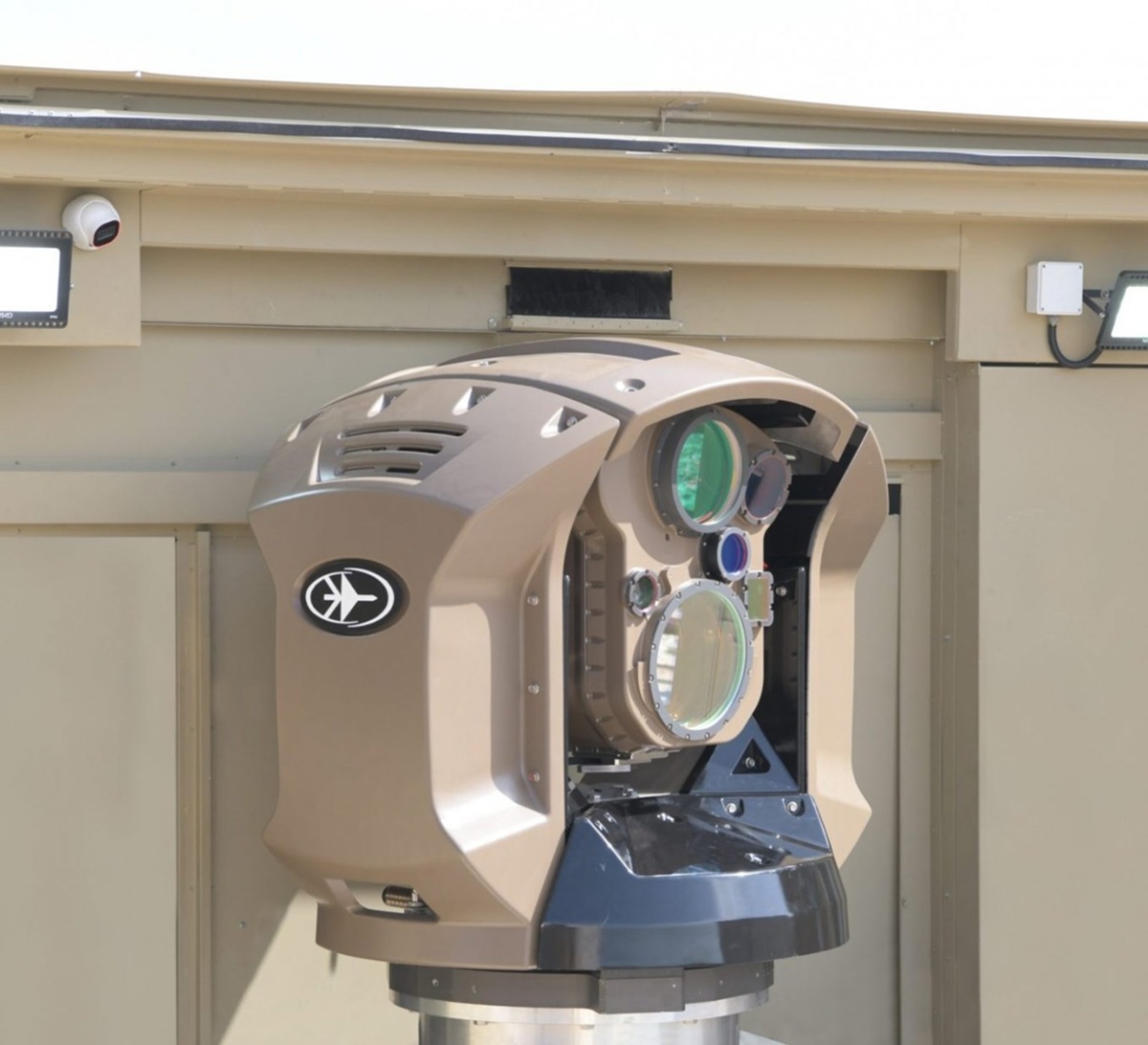
Iron Beam Enters Service as Israel’s Laser Defense System
Israel has finally put a high-power laser in its day-to-day air defense. Over 28–29 December 2025, Israel’s Ministry of Defense and Rafael said they delivered the first in-service Iron Beam laser system to the Israel Defense Forces. The Israeli Air Force is set to field it.
That delivery matters because the Iron Beam laser defense system targets cheap, frequent threats that still burn through defenses in a long battle. It is meant to help against drones, rockets, and mortars. It can also tackle some short-range missiles while tying into the same layered shield that already uses Iron Dome, David’s Sling, and Arrow.
Iron Beam Targets Multiple threats.
Israel says Iron Beam can shoot down multiple target types after a long test run. Reporting on the trials points to rockets, mortars, and UAVs, while wider claims also cover artillery shells and missiles. Open reporting puts the system’s range at about 10 km, so it acts as a close-in layer, not a long-range shield.
A laser changes the cost balance because it “fires” with electricity, not a stored missile, and that matters when threats arrive in volume. Therefore, commanders can save pricey interceptors for harder targets and use the laser for low-end threats that would otherwise force costly shots. Reuters has also highlighted this cost gap for many forces, since interceptors can cost far more than the things they stop.
Why it took 12 years remains unclear
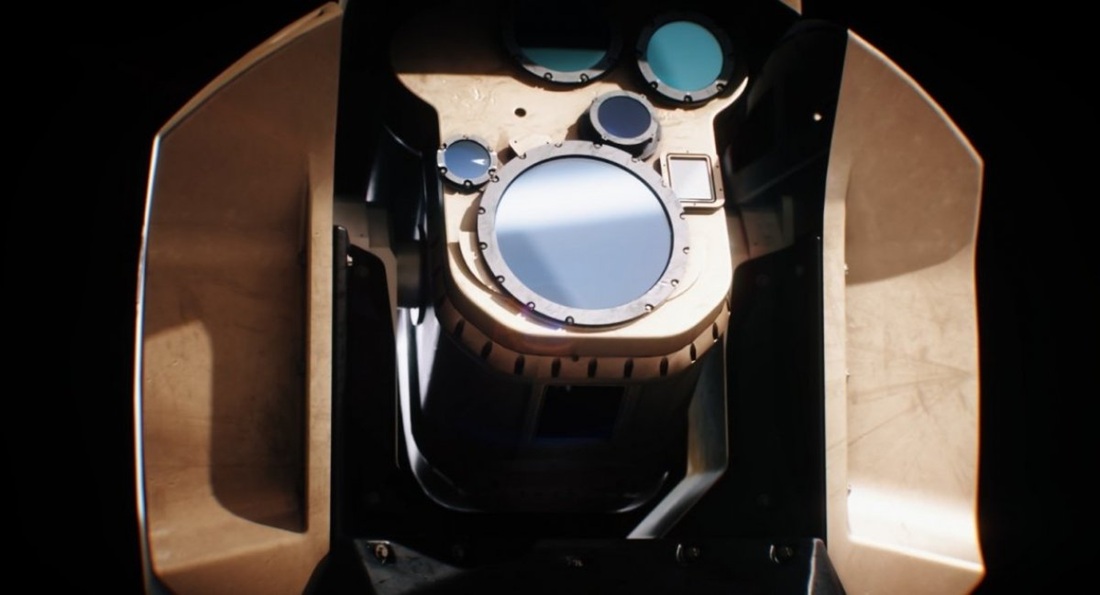
Israel first showed Iron Beam publicly in February 2014. Nearly 12 years later, it has moved into service, which shows how slow laser weapon projects can be. A combat laser needs more than raw power; it needs stable tracking, tight beam control, and serious cooling, and it must deliver that performance in real weather.
It also has to work from a field system that crews can keep safe, supplied, and ready under pressure. Momentum also rose in late October 2024. Israel’s defense ministry signed a roughly ILS2 billion contract to expand production and bring Iron Beam to service in about a year. This schedule aligns with the fulfillment of the delivery pledge by the end of 2025.
Iron Beam spec sheet (publicly reported)
| Spec / attribute | Details |
|---|---|
| System type | Ground-based high-energy laser air-defence interceptor |
| Prime contractor | Rafael Advanced Defense Systems |
| Key industry partner(s) | Elbit Systems (reported partner) |
| Laser power class | 100 kW-class (reported) |
| Stated engagement range | ~10 km (reported) |
| Reported engagement envelope | From a few hundred metres up to several kilometres (reported) |
| Intended targets | Rockets, mortar bombs, UAVs/drones, cruise missiles (reported) |
| Test intercept set (reported) | Rockets, mortars, UAVs (reported) |
| Role in layered defence | Complements Iron Dome, David’s Sling, Arrow |
| Cost-per-shot | Generally described as very low compared with interceptor missiles (no official figure) |
| Key enabling tech | Adaptive optics (reported) |
| Procurement/production deal | ILS 2 billion production/fielding expansion deal (Oct 2024) |
| Operational timeline | Targeted operational service within ~1 year of the Oct 2024 deal (reported) |
| In-service milestone | First system reported delivered/entered service in late Dec 2025 |
| Not publicly disclosed | Wavelength, beam quality, dwell time, track rate, power & cooling needs, radar type, engagement timelines, kill mechanisms per target type |
Iron Beam’s role is still evolving
Israel already runs a layered model. Iron Dome focuses on short-range rockets. David’s Sling adds another tier. Arrow covers ballistic missiles at the top end. The Iron Beam laser defense system will not replace them. Instead, it should take some shots that would otherwise “waste” an interceptor on a target that costs very little.
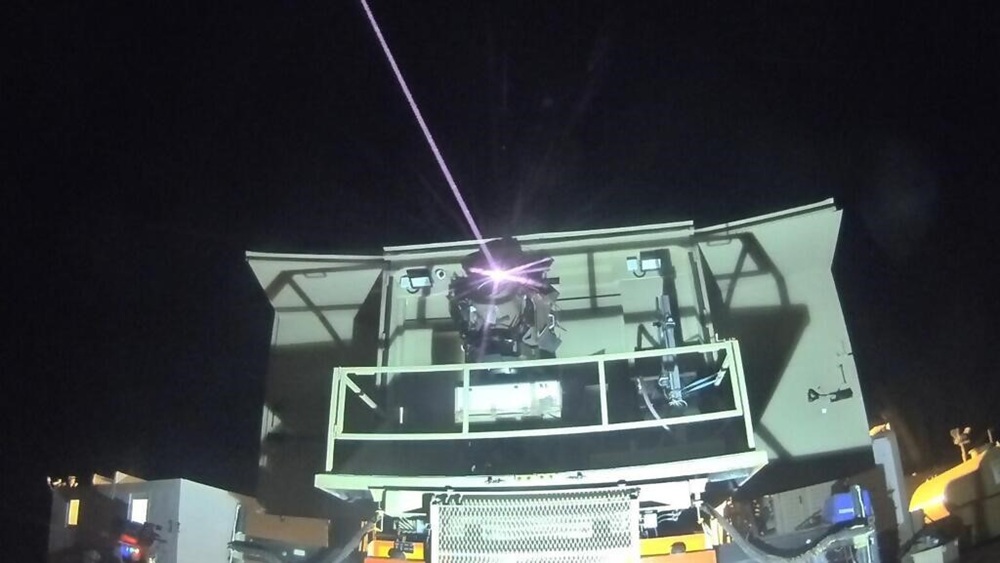
If it works as claimed, the laser gives commanders more shots during repeated drone raids and sustained rocket fire. As long as power and cooling stay stable, it can keep engaging targets. The invention should help Israel save interceptor missiles for larger, more complex salvos.
Applicable Constraints
Lasers still follow physics. They need a clear line of sight to work. Haze, fog, dust, and low clouds can weaken the beam. These conditions often occur in the region. Range also restricts how much ground each unit can cover. Israel will likely deploy Iron Beam near high-value sites. It will also link the laser to existing radars and command networks.
Even with those limits, the milestone is real. Israel Katz stated that the system attained full operational maturity following numerous interceptions during testing, referring to it as the first of its kind in operational service. For defense watchers, the next months should show what “laser air defense” looks like under daily alert conditions.
References
- https://mod.gov.il/en/press-releases/press-room/major-milestone-in-high-power-laser-intercept-system-development
- https://breakingdefense.com/2025/12/israels-iron-beam-laser-system-delivered-to-israeli-air-force/
- https://www.reuters.com/world/middle-east/israel-has-high-powered-laser-be-defence-by-end-2025-says-defence-official-2025-09-17/
- https://aviationweek.com/defense/missile-defense-weapons/israel-signs-iron-beam-deal-eyeing-2025-service-entry
About the Author