
IRIS-T Ukraine Kill Ratio: What Combat Data Shows
Germany sent the Ukrainians the IRIS-T SLM in October 2022 amid a surge in Russian strikes on power plants and other vital infrastructure. The system quickly built up a good record against cruise missiles and Shahed attack drones, but its record against Russian supersonic weapons is much less certain. The reported kill ratio of the IRIS-T in Ukraine is now over 95 per cent, a good result for which readers should take a grain of salt. It includes targets attributed to IRIS-T units and targets engaged by them, but not all weapons fired during a Russian raid.
IRIS-T in Ukraine
During a long-running Russian campaign against its energy network, Germany delivered the first IRIS-T SLM fire unit to Ukraine in October 2022. “The German system has worked very well and is effective,” President Volodymyr Zelenskyy said on October 18, 2022. IRIS-T showed impressive results just days later. Then, on 15 November 2022, another major incident occurred. A widely circulated video, attributed to the IRIS-T, appeared to show two Russian cruise missiles destroyed in quick succession. One of the targets resembled a Kalibr cruise missile. But open-source video is not showing complete engagement. No radar tracks, target tasking or launcher data can be displayed. That means experts can’t verify every detail just from the video.
IRIS-T Kill Ratio in Ukraine
Initial Ukrainian reports said the IRIS-T destroyed about nine out of 10 missiles it engaged, a figure that improved as crews learned. The first deployed unit hit 51 out of 51 assigned targets, a Ukrainian operator said, according to a Reuters report in March 2023. These included cruise missiles and Shahed drones manufactured in Iran, which the crew said had a 100 per cent hit rate. In June 2023, Diehl Defense also announced that the IRIS-T achieved a 100 per cent hit rate in some attack waves with more than 12 targets. Using Ukraine’s figures, the company estimated the number to be 108,000.
Later, Chancellor Olaf Scholz cited a more generic figure for combat. Since September 2024, IRIS-T has downed more than 250 missiles, cruise missiles and drones in Ukraine, Scholz said. “The hit rate is 95 per cent or more,” he said. In June 2026, Diehl Defense reported a rate still above 95 per cent. Public reports show the same pattern of high achievement against targets set. This gives the IRIS-T Ukraine kill rate one of the best-documented records of the war among medium-range systems.
Understanding the Kill Ratio
The IRIS-T Ukraine kill ratio is a hit rate on the system level, not the overall interception rate. This is a particularly important difference in large mixed raids. Russia often launches drones alongside subsonic cruise missiles, ballistic missiles and high-speed weapons. Then Ukraine’s commanders will have to assign targets to a host of systems. IRIS-T can shoot down cruise missiles and drones, while Patriot batteries are meant to target ballistic or quasi-ballistic threats. No misfires in the IRIS-T sector. Weapons assigned to other systems are not recorded. The crew can also hold fire if a missile is going to miss the protected site. So the 95 per cent figure doesn’t mean the IRIS-T stopped 95 per cent of a full Russian barrage. This means operators said the system got rid of at least 95 per cent of the targets they decided to shoot at.
IRIS-T vs Russian Supersonic Missiles
There is little public evidence; most known IRIS-T hits are of Kalibr, Kh-101 family cruise missiles, Shahed drones and other flying threats. However, there is no detailed public record of a firm IRIS-T kill ratio against the P-800 Oniks, Kh-22, Kh-32 or Kh-47M2 Kinzhal. Ukraine may not release all combat information. There is, however, no publicly available evidence to support claims of regular IRIS-T success against these weapons. Wider air defense data from Ukraine show the scale of the challenge. By August 2024, Ukraine’s forces had downed only two of the 362 Kh-22 and Kh-32 missiles. And that is about 0.55 per cent. Ukraine shot down 12 of 211 P-800s. Oniks missiles account for a little more than 5.69 per cent. But these numbers are for the entire air-defense network in the country. They can’t tell which system each kill was made in, but each kill was made in a different system. So the experts should not attribute those rare interceptions to the IRIS-T without solid evidence.
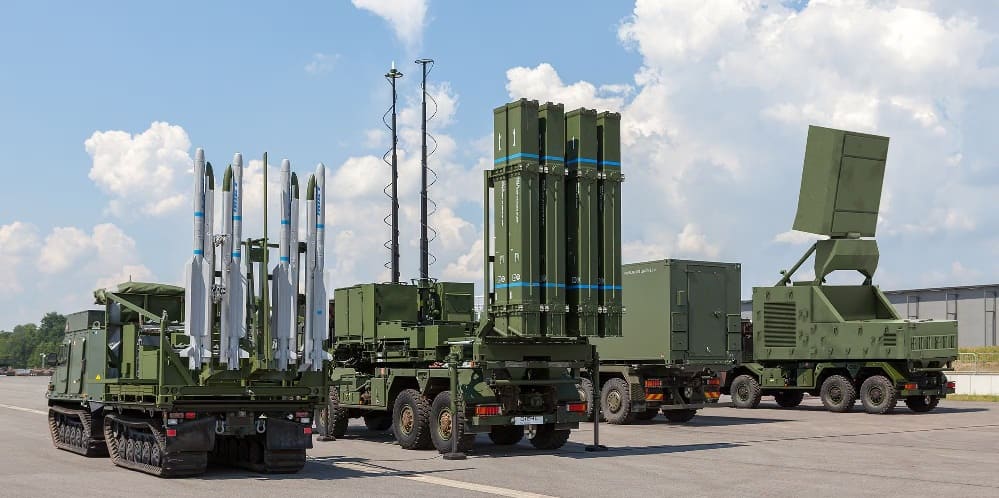
IRIS-T Capabilities and Limits
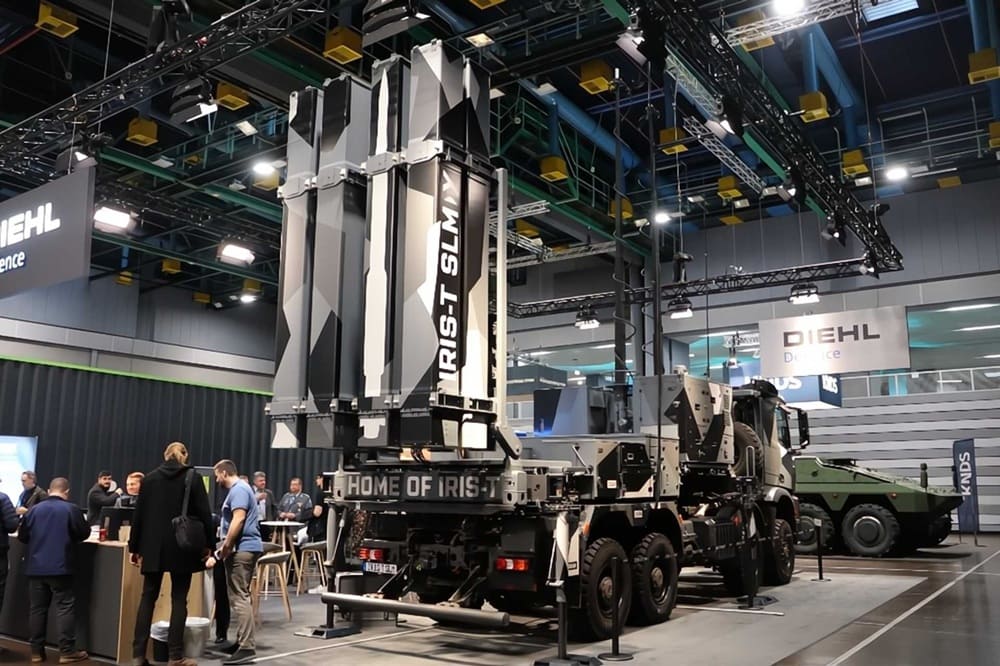
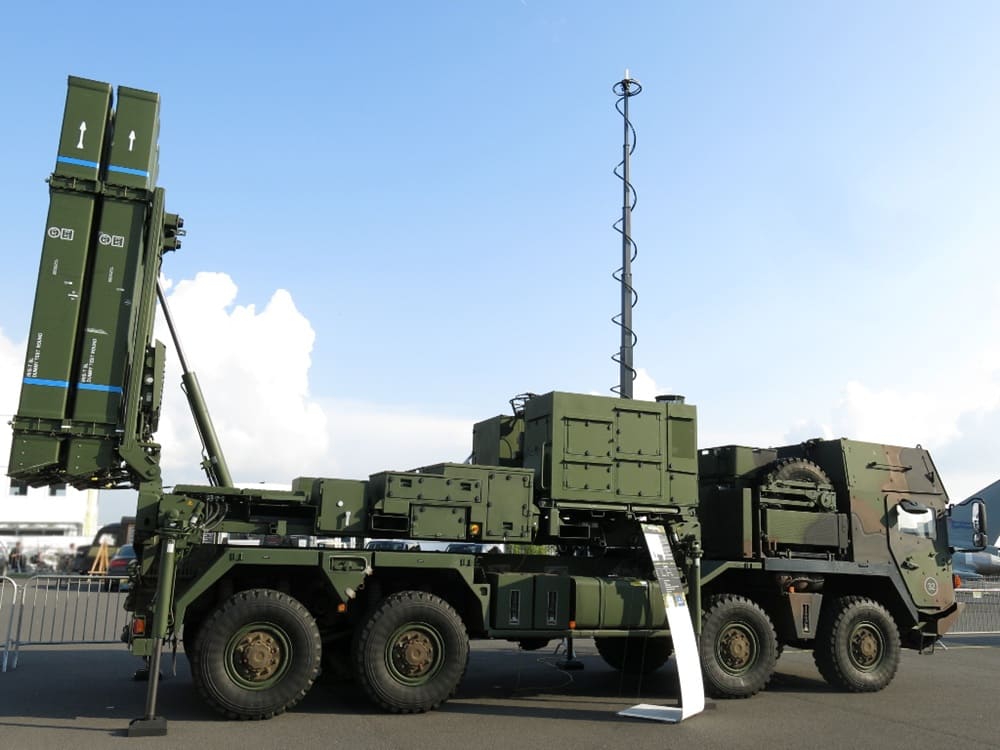
The IRIS-T SLM is able to engage targets in ranges of up to 40 km and in heights of up to 20 km. A fire unit consists of the launchers, a multi-role radar and a command centre. The system is 360 degrees and can hit several targets simultaneously. This capability allows crews to protect cities, bases and key sites from cruise missiles and drones. However, the IRIS-T SLM is a medium-range air defense system. Nor is it the primary Ukrainian response to ballistic or hypersonic threats. The Patriot and SAMP/T provide the upper layer needed for many such engagements.
Strategic Outlook
Ukraine’s IRIS-T has a good kill ratio against assigned drones and standard cruise missiles. Claimed results dropped from about 90 per cent in October 2022 to 51 successful hits out of 51 attempts by early 2023. Later estimates suggested the continuing rate was 95 per cent or more. But experts shouldn’t extrapolate those numbers to Russian missile types. Supersonic weapons reduce warning time and increase stresses on radar coverage, crew decision-making and missile performance. The conclusion is simple: IRIS-T has become a leading medium-range system for Ukraine and strengthens the lower and middle layers of its network. However, Ukraine still needs Patriot, SAMP/T and specialised systems against ballistic, quasi-ballistic and the fastest supersonic threats.
References
- https://defensenewstoday.info/interception-drama-over-kyiv-patriots-and-kinzhals-lock-horns/
- https://defensenewstoday.info/subsonic-vs-supersonic-cruise-missiles/
- https://www.reuters.com/world/europe/germany-wont-let-up-military-aid-ukraine-scholz-says-2024-09-04/
- https://new.diehl.com/defence/en/press-media/news/germany-procures-six-iris-t-slm-fire-units
About the Author