
Iran Heat-Seeking Missiles Threaten US Airpower
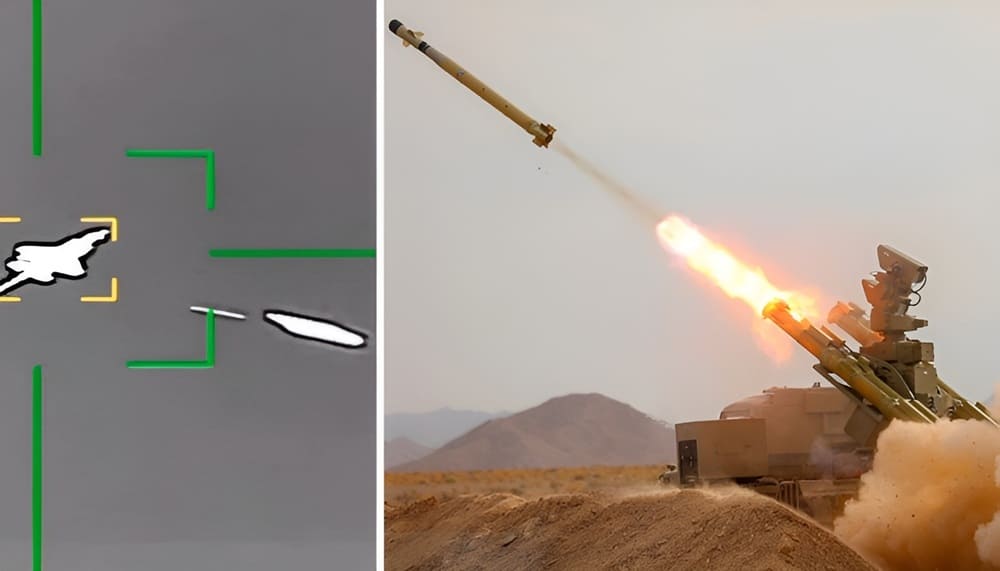
Iran’s heat-seeking missiles are a big problem for US airpower, because they exploit one of aviation’s oldest weaknesses: heat. Even the most advanced aircraft have to generate infrared energy through engines, exhaust flow, and friction. This means that even if radar-guided systems jam, suppress, or destroy, passive infrared missiles can be dangerous.
The risk was highlighted by the recent shootdown of an F-15E Strike Eagle over Iran during Operation Epic Fury. U.S. officials said that a complex combat search and rescue operation saved both crew members. But the incident showed that Iranian air defenses remain a threat to aircraft operating in contested airspace. The Pentagon also reported that the first wave of rescue involved 21 aircraft, while a later mission involved 155 aircraft for extraction and deception.
Heat-Seeking Missiles Explained
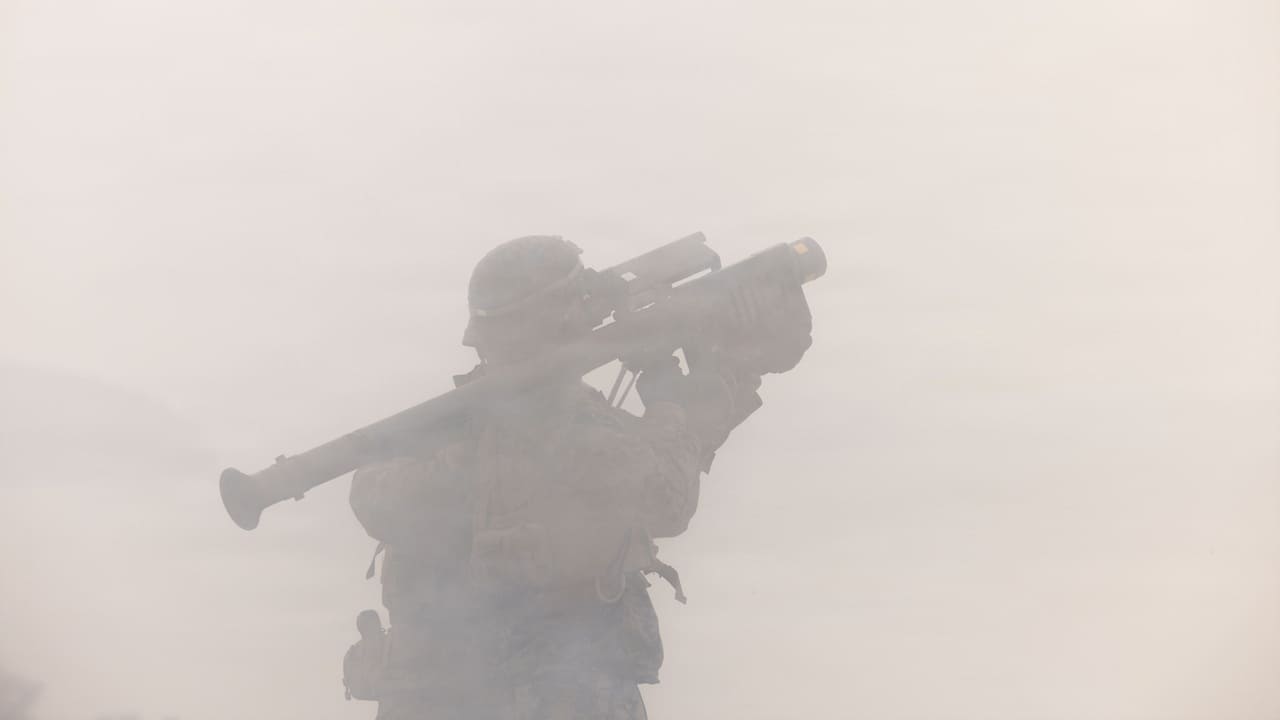
Heat-seeking missiles use infrared sensors to home in on the hot parts of an aircraft. In most cases the strongest signature is the engine exhaust. When it locates its target, the missile alters its course until it hits or explodes in the vicinity. This is the principle used by man-portable air-defense systems (MANPADS), for example. The Arms Control Association describes three general categories of MANPADS guidance: command line-of-sight, laser-guided, and infrared seekers.
It also notes infrared systems are the most common, detecting the heat of an aircraft’s engine. This is important because infrared systems are passive. They don’t need to light up the aircraft with radar. That means pilots may have less warning of launch or impact. Modern aircraft have flares, missile warning sensors, and directed countermeasures, but newer seekers can diminish the effectiveness of older decoy tactics.
Iran’s Heat-Seeking SAMs
| Name | Guidance | Range | Origin |
|---|---|---|---|
| Misagh-1 / Mithaq-1 | Passive infrared homing | ~5 km | Iran, based on Chinese QW-1 lineage (Wikipedia) |
| Misagh-2 / Mithaq-2 | IR fire-and-forget | ~6 km | Iran, based on Chinese QW-series technology (Wikipedia) |
| Misagh-3 / Mithaq-3 | Infrared homing | ~6 km | Iran, upgraded Misagh family (Wikipedia) |
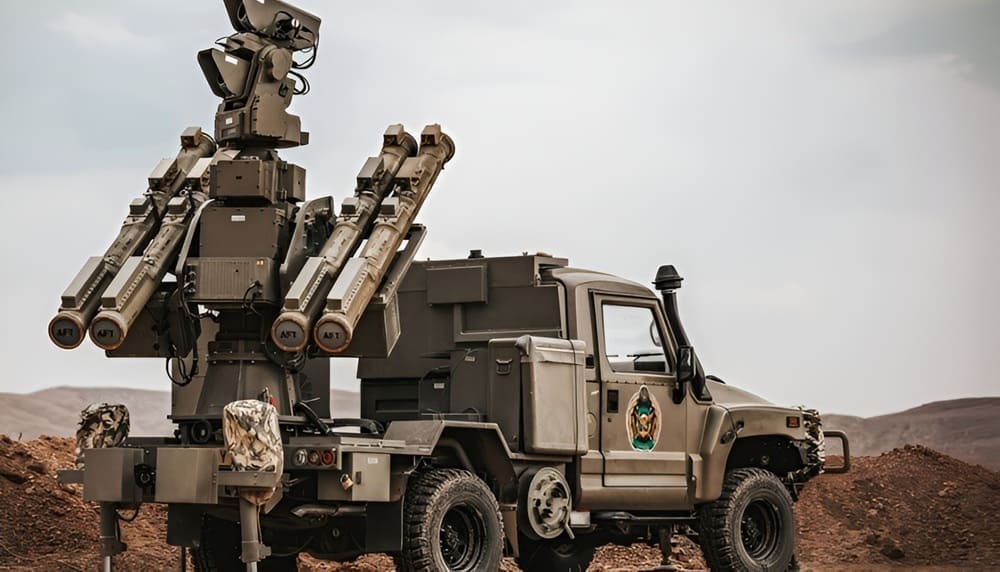
| Majid / AD-08 | Infrared / electro-optical short-range SAM | ~8 km | Iran (Global Defense Corp) |
| Azarakhsh SAM | Thermal / infrared seeker with EO-IRST support | ~6–10 km | Iran (Army Recognition) |
Why Iran Can Mass-Produce Them
Iran’s heat-seeking missiles are not revolutionary weapons. Instead, they deploy Cold War technology, a mature technology that many states have copied, adapted, or improved. This makes them attractive to countries under sanctions since their production does not always require the most advanced industrial base. Iran has developed systems like the Misagh family. CSIS describes the Misagh-1 as a second-generation MANPADS developed by Iran in 1994, and the Misagh-2 in the early 2000s.
CSIS also lists the Misagh-1 range as 0.5–5 km and the Misagh-2 effective range as 5–6 km with infrared guidance. Such systems are, moreover, consistent with Iran’s wider defense logic. Tehran can’t match the US Air Force plane for plane. But it can create layered, mobile, and dense threats. This method forces U.S. pilots to alter altitude, routing, speed, and mission planning.
Why Low-Flying Aircraft Are Vulnerable
Low-flying aircraft are most vulnerable to short-range infrared missiles. Close-air-support aircraft, helicopters, and drones are typically closer to ground threats. So they give MANPADS operators better firing opportunities. The aircraft flew low over Iran and was under heavy enemy fire during the F-15E rescue, AP reported. One A-10 took hits and was “not landable,” and an HH-60 helicopter also took several hits during the mission.
It keeps U.S. airpower from becoming obsolete. But it does mean that even limited Iranian air-defense teams can impose operational expenses. The commanders have to throw more aircraft, escorts, jamming support, intelligence assets, and rescue forces. So a cheap missile can force an expensive response.
Passive Missiles vs Stealth Aircraft
Stealth mostly cuts down on radar detection. It does not render aircraft invisible. Even a stealth aircraft gives off heat, noise, and visual signatures. This phenomenon is why passive infrared systems are still relevant in short-range engagements. The reported emergency landing of an F-35 in March 2026 after a mission over Iran has fueled the debate.
Air & Space Forces Magazine reported that US Central Command was investigating the incident, and the aircraft landed safely. The U.S. military has not confirmed Iranian reports of widespread damage. But the practical lesson is obvious. Stealth aircraft can reduce detection and engagement ranges but cannot remove battlefield risk. But if a fifth-generation aircraft flies into range of a hidden short-range missile system, the danger is still real.
Iran’s Asymmetric Air Defense
And Iran’s heat-seeking missiles support an asymmetrical strategy. They don’t have to rule the skies. Rather, they simply have to make the airspace dangerous enough to slow US operations. This strategy has three consequences. For instance, US aircraft might fly higher, which could make some ground attack missions less effective.
Secondly, it is harder to use drones and helicopters freely. Third, every rescue or recovery mission is more complicated. Iran sees it as cost-effective. A MANPADS round costs much less than a fighter jet, helicopter, or long-endurance drone. So even a missed shot can change behavior if pilots have to think of every low-level route as a potential missile trap.”
What Defense Watchers Should Monitor
Three areas that defense watchers will monitor. First, the importance of Iran’s domestic production of passive infrared systems outweighs any single battlefield claim. The second is that foreign supply channels from Russia or China could enhance seeker quality, range, and counter-countermeasure performance.
Third, the viability of low-level operations in heavily contested zones will depend on US countermeasures. The question is not whether Iranian heat-seekers can beat the US Air Force outright. They can’t. But they can block easy access, punish low-level missions, and make rescue jobs difficult. In modern warfare, that might be sufficient to reshape tactics.
Conclusion: Cheap Missiles, Big Costs
Iran’s heat-seeking missiles show how old technology can still menace high-tech airpower. They are mobile, passive, relatively cheap, and dangerous at low altitude. They also fit Iran’s doctrine of attrition, dispersal, and asymmetrical pressure. The lesson for the United States is clear.
Air dominance still matters, but it no longer guarantees protection from short-range ground threats. Now, every low-level mission against Iran requires more careful planning, better countermeasures, and more respect for cheap passive missiles.
References
- https://defensenewstoday.info/iranian-new-majid-air-defense-system-downs-israeli-iai-heron/
- https://www.armscontrol.org/factsheets/manpads
- https://www.airandspaceforces.com/dude-44-rescue-massive-operation-iran-save-downed-airmen/
- https://www.theguardian.com/world/2026/apr/04/iran-search-missing-us-crew-member-downed-fighter-jet-second-day
- https://www.armyrecognition.com/military-products/army/air-defense-systems/man-portable-air-defense-systems/misagh-1-iran-uk
About the Author