
Iranian Quds Chief Esmail Qaani
Qaani “Mossad Agent” Arrest Rumour
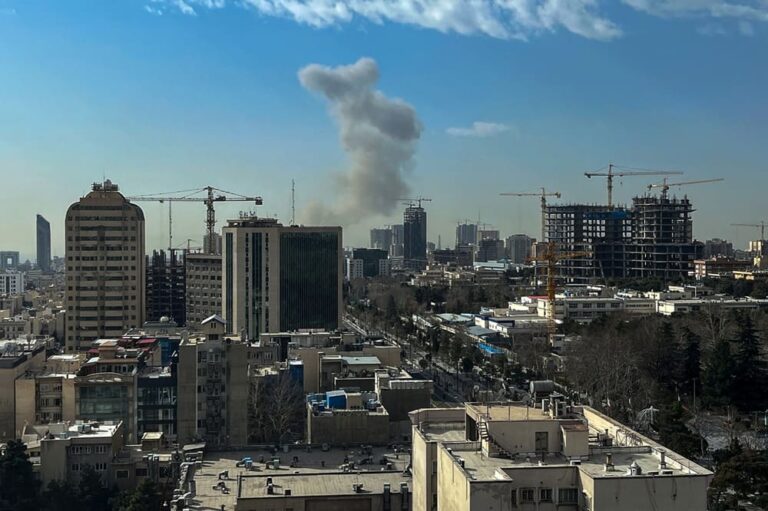
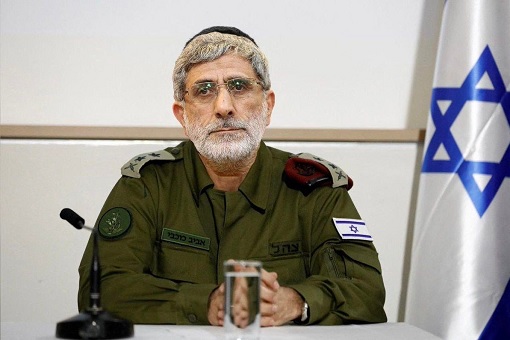
A wave of social media posts and secondary outlets now allege Iranian Brigadier General Esmail Qaani, commander of the IRGC’s Quds Force, was traced as a Mossad agent and quietly arrested in Tehran. The story reads like a counterintelligence thriller: months of surveillance, intercepted encrypted traffic, offshore payments, and final capture after one last “exchange” with Israeli handlers.
However, when you treat the incident as an intelligence problem rather than a headline, one issue dominates: publicly verifiable confirmation is thin. Credible reporting shows rumors of Qaani’s detention have circulated before, especially after he disappeared from public view in 2024, but Iran later displayed him in public. This aspect is where Defence News Today’s verification mindset matters—separating what is asserted from what is proven (see: How We Verify and our Middle East coverage).
Why the Rumour Spreads
Two real shocks made “high-level mole” narratives believable to many observers:
- Targeted killings and penetrations: Hamas political leader Ismail Haniyeh was killed in Tehran on 31 July 2024, and Hezbollah leader Hassan Nasrallah was killed in an Israeli strike in Beirut on 27 September 2024.
- A widening counter-espionage crackdown: Iran has publicly escalated arrests and executions tied to alleged Mossad spying—Reuters and AP both reported a December 20, 2025 execution of a man Iran convicted of working with Israel’s intelligence service.
In that environment, a story claiming “the leak is at the very top” feels emotionally consistent—whether or not it’s true.
Qaani’s Verified Public Timeline
The most concrete, checkable timeline points do not support a clean “secret arrest” narrative:
- In October 2024, some reports said Qaani was “under arrest” or under investigation; others said he was dead. The common denominator was uncertainty during a period he was not seen publicly.
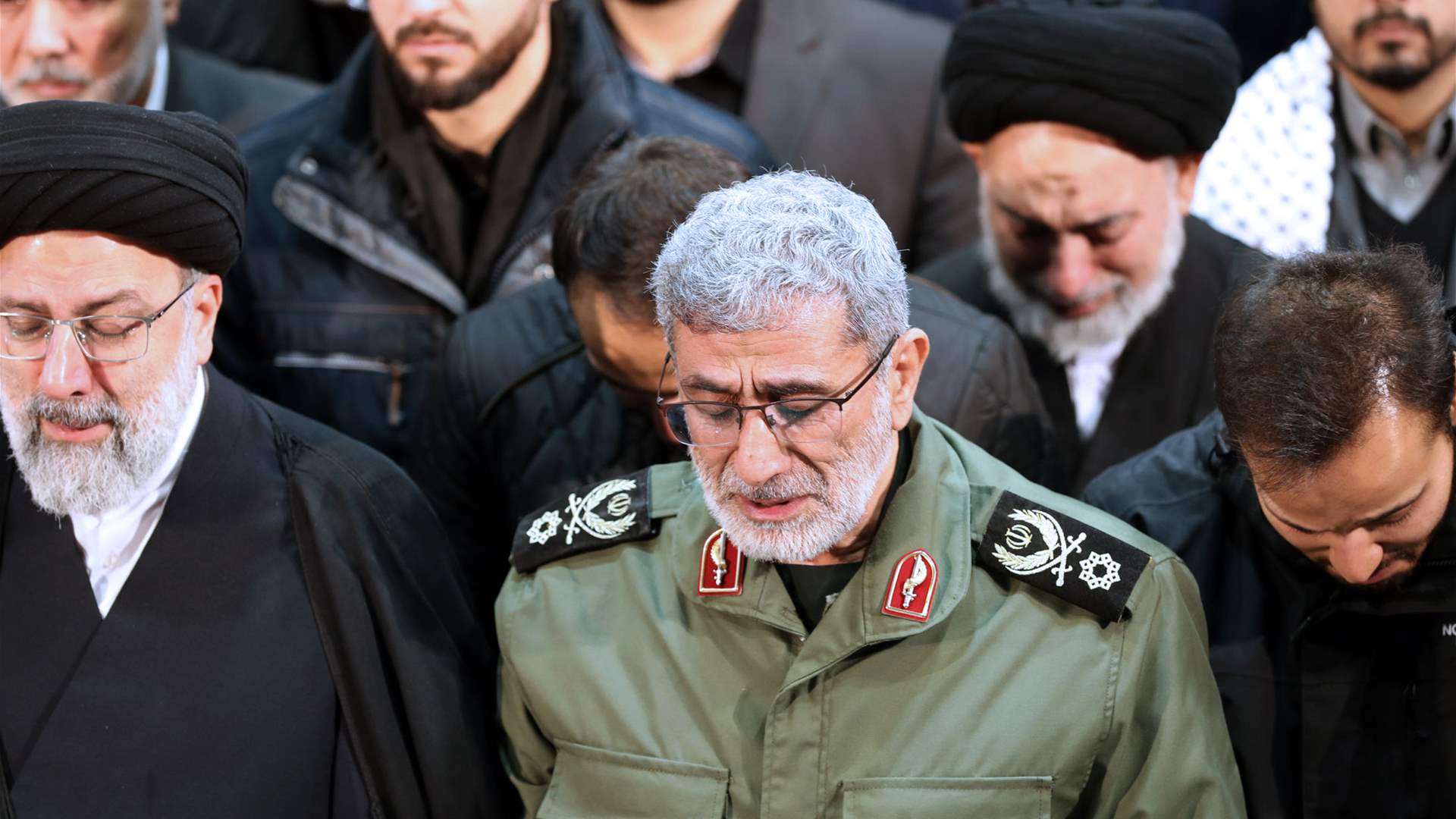
- By mid-October 2024, Iranian media showed him attending a funeral, which undermined the “dead” claims.
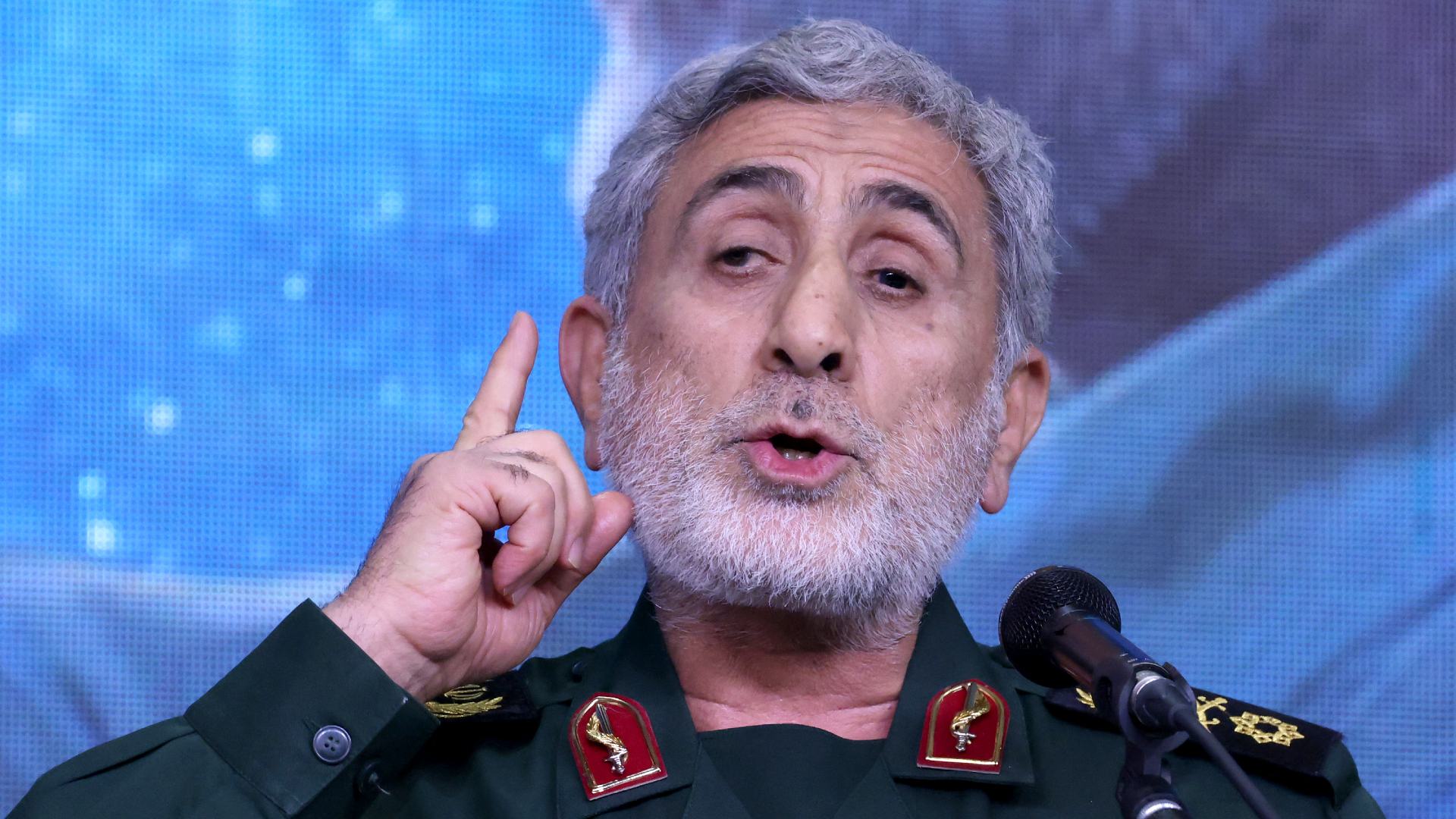
- In June 2025, multiple outlets reported he appeared publicly again in Tehran after renewed rumors.
- In December 2025, Amwaj reported he appeared at a public rally—again, inconsistent with “incommunicado detention.”
So, if someone claims a “late September arrest,” the verification question becomes simple: where is the corroboration from credible outlets, and how does it square with later public appearances?
Claims vs. Verifiable Evidence
The viral narrative usually cites four pillars. Each is plausible in tradecraft terms, but none is publicly documented with primary evidence:
1. Intercepted “Encrypted Messages” Claim
Signals intelligence can expose patterns, devices, and intermediaries. Yet, no verifiable public release (court documents, official statement, or credible leak with artifacts) has surfaced showing Qaani-linked communications.
Verification test: Look for forensic details—device identifiers, dates, chain of custody, or an indicting quotation in Iranian judicial reporting. Without that, this remains a claim.
2. Offshore Money Trail Claim
Financial investigations can work—shell companies, cut-outs, staged transactions. But this allegation is also easy to fabricate because readers cannot independently audit “offshore accounts.”
Verification test: Any credible story will name jurisdictional hooks (a bank compliance action, a seized entity, a sanctions designation, or a court filing).
3. Operational Leak Pattern Claim
This is the most persuasive circumstantial argument: repeated Israeli success implies penetration. Still, “penetration exists” does not equal “Qaani is the penetrator.” Penetrations can sit lower (comms, logistics, liaison nodes) yet produce strategic effect.
4. Captured Agent “Testimony” Claim
Intelligence services often claim confessions. Outside systems with transparent trials, those confessions are difficult to validate, and human rights groups frequently challenge coercion claims in espionage cases.
If the Allegations Were True
If Iran genuinely believed the Quds Force commander served Mossad, the aftermath would be measurable:
- Immediate internal security clampdown: comms resets, device burn, travel restrictions, and compartmentation increases.
- Leadership turbulence: Tehran would need a successor able to reassure partner networks in Iraq, Syria, Lebanon, and Yemen.
- Operational pause: proxies would assume compromised channels and shift to slower, more covert coordination.
- Counter-infiltration signalling: Iran would likely publicize at least some justification to deter other penetrations—unless it feared reputational collapse.
Yet the public record today supports only the broader point: the Iran–Israel intelligence conflict is intense, and Iran is pursuing suspected spy cases aggressively.
Bagheri Claim Reality Check
Some versions of the narrative add senior names, including Mohammad Bagheri. Credible reporting shows Israeli strikes killed Bagheri in June 2025, so investigators did not merely “audit” him. That mismatch signals that people keep recycling and mutating the story bundle.
Bottom line
Treat Esmail Qaani Mossad allegations as an active information-warfare claim until a credible outlet produces verifiable evidence (official confirmation, judicial documentation, or multi-source reporting that survives timeline checks). Currently, the most reliable open-source indicators—especially documented public appearances after past “arrest” rumors—undercut the certainty of the arrest narrative.
References
- https://www.reuters.com/world/middle-east/what-we-know-so-far-about-assassination-hamas-leader-2024-07-31/
- https://www.reuters.com/world/middle-east/iran-executes-man-accused-spying-israel-judiciarys-news-outlet-says-2025-12-20/
- https://www.aa.com.tr/en/middle-east/iran-s-quds-force-commander-appears-after-reports-of-his-assassination/3612018
- https://www.timesofisrael.com/after-claims-he-died-reports-now-say-irans-quds-force-chief-alive-but-under-arrest/
About the Author