
Iran Yak-130 Patrols Over Tehran: Capability Check
Why Tehran Flies Yak-130 Patrols
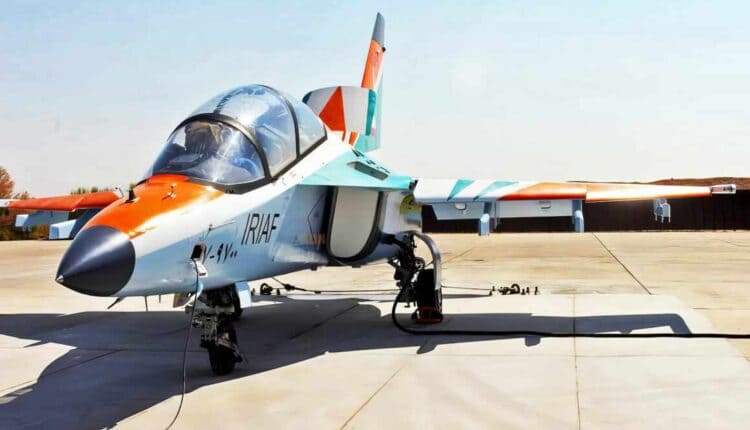
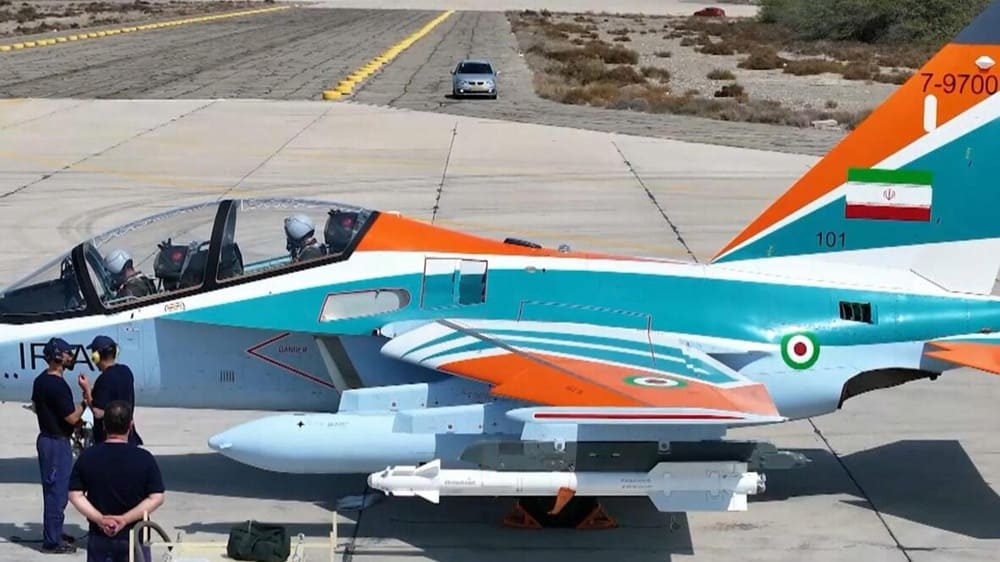
Iran’s Yak-130 air defense patrols over Tehran are now a visible part of the capital’s daily shield. Videos show the trainers flying with Tehran-based MiG-29A fighters, yet the Yak-130s focus on one task: hunting hostile drones at close range.
Iran began receiving Yak-130s in September 2023, according to Aviation Week, after decades without a fresh jet type entering Iranian service. They are also Iran’s only new combat-jet type in roughly 35 years, so the aircraft doubles as a training reset as well as a patrol platform.
Yak-130 Capabilities
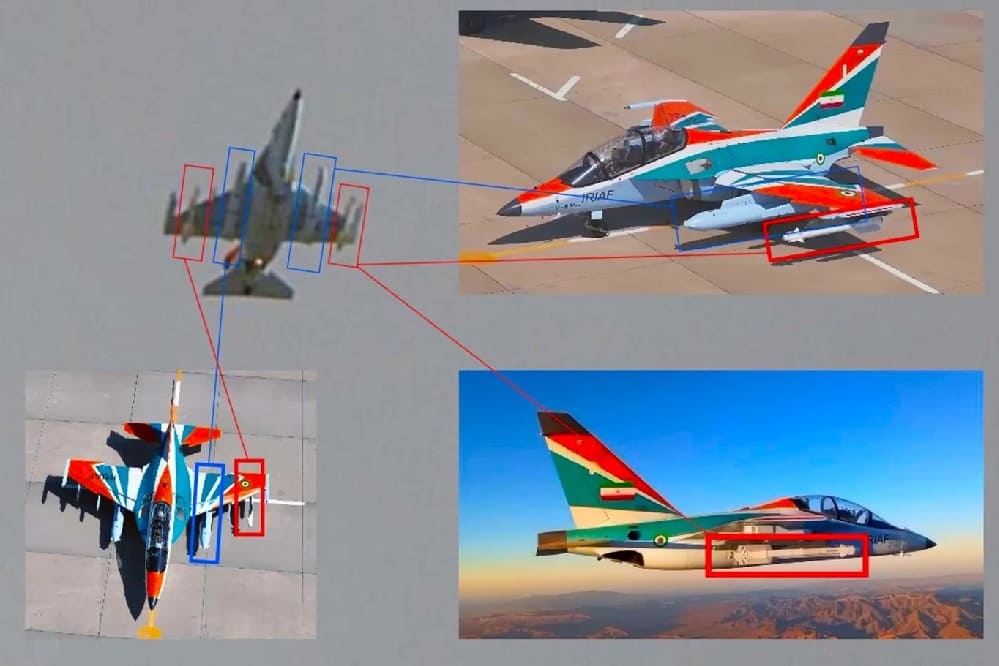
The Yak-130 is a trainer first, so it was not built to fight fast jets in a high-end air war. Still, it has a modern cockpit, and it can fire guided weapons, which suits the anti-drone mission.
For patrols, Iran can fit R-73 short-range air-to-air missiles and use a helmet-mounted sight. As a result, the pilot can cue the missile by looking at the target and take a high off-boresight shot. That matters when a small UAV appears at an awkward angle.
Key Yak-130 Constraints
But the Yak-130, a type of military aircraft, stays subsonic, meaning it does not exceed the speed of sound, and it climbs slowly compared with true interceptors, which are designed for high-speed engagements. It only offers visual-range air-to-air options, so it works best when ground-based air defense keeps the airspace “clean.”
Drone Intercept Sequence
Ground radars, optical posts, or local controllers spot a UAV (unmanned aerial vehicle) and cue the patrol with a heading and height. The Yak-130 closes to visual range, and the pilot maintains the track with the helmet sight, which is a targeting system that allows for a quick kill option with an R-73 missile shot, a type of air-to-air missile.
Threat Picture Favouring Yak-130
Reports suggest the main danger has come from stand-off strikes, not constant fighter sweeps over Tehran. In that model, attackers use long-range weapons such as Delilah and Rampage, and they can add anti-radiation missiles like the AGM-88 HARM. The HARM houses radar emitters, which is why it targets radar-based air defense. At the same time, Iran has leaned on infrared-guided systems that do not radiate.
This not only makes it more difficult to hunt them down from the air, but it also diminishes the reward from HARM-style attacks, which aim to target radar systems. Iran has also used decoy launchers to waste expensive munitions. So, if the ground layer holds, Iran can fly Yak-130s and MiG-29s, which are types of military aircraft, on anti-drone Combat Air Patrols (CAPs) with less risk of meeting top-tier fighters. For related contexts, see Iran-Verba Air Defense.
Su-35 Training Signal
Iran’s Yak-130 air defense patrols over Tehran are also hinting at the next step. Russia built the Yak-130 as a bridge trainer, so it can mimic modern fighters and teach crews the sensor workload. Many reports link the jet to pilot training for Su-35 fighters, which some sources say could start arriving later in 2026.
Meanwhile, Russian officials confirmed the signing of export contracts for the Su-57 without revealing the buyer, thereby igniting speculation about a Middle East customer. Iran has not publicly confirmed any Su-57 deal. For the bigger strategic frame, read this analysis.
Conclusion
Iran’s Yak-130 air defense patrols over Tehran add a modern, short-range weapon for drone defense. Yet they do not change the high-end balance, and Iran’s ground-based network still decides how safe these patrols remain.
References
- https://www.armyrecognition.com/news/aerospace-news/2026/iran-deploys-yak-130-trainer-jets-armed-with-air-to-air-missiles-for-drone-interception-patrols
- https://aviationweek.com/defense/aircraft-propulsion/iran-takes-delivery-russian-supplied-yak-130-trainers
- https://www.af.mil/About-Us/Fact-Sheets/Display/Article/104574/agm-88-harm/
- https://militarnyi.com/en/news/russia-announces-first-export-deliveries-of-su-57-fighter-jets/
About the Author